by Alexandra Hill | Feb 17, 2026 | Blogs
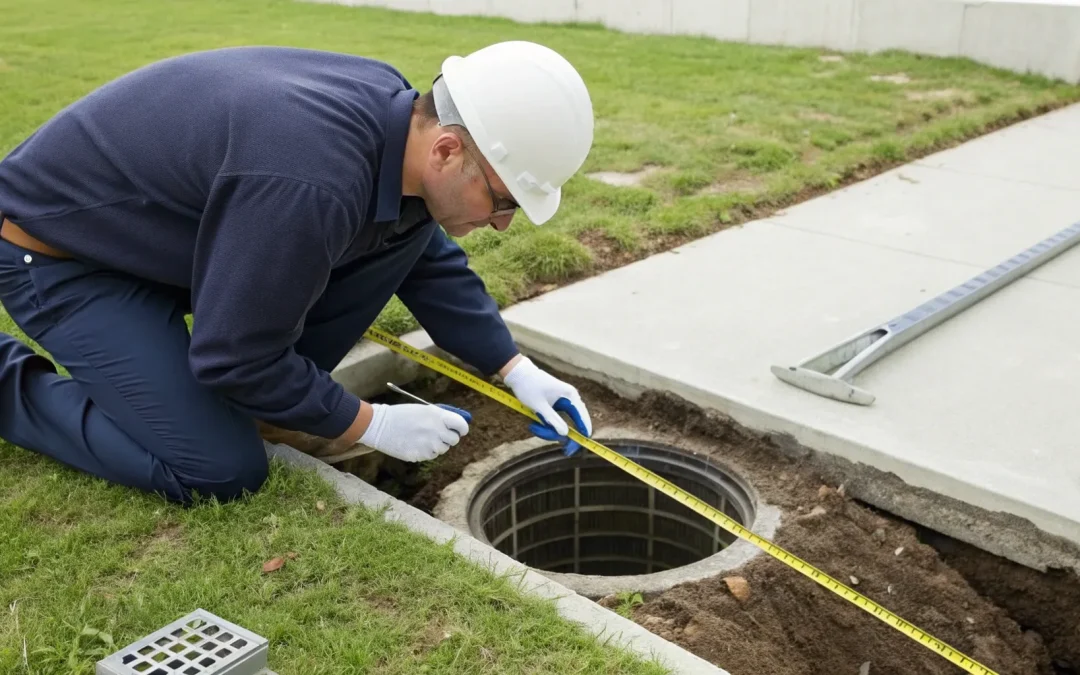
It’s a common misconception that the size of a septic drain field should be based on the square footage of the house. In reality, the house’s footprint has very little to do with it. The correct size is a careful calculation based on two critical factors: the...
by Alexandra Hill | Feb 17, 2026 | Blogs
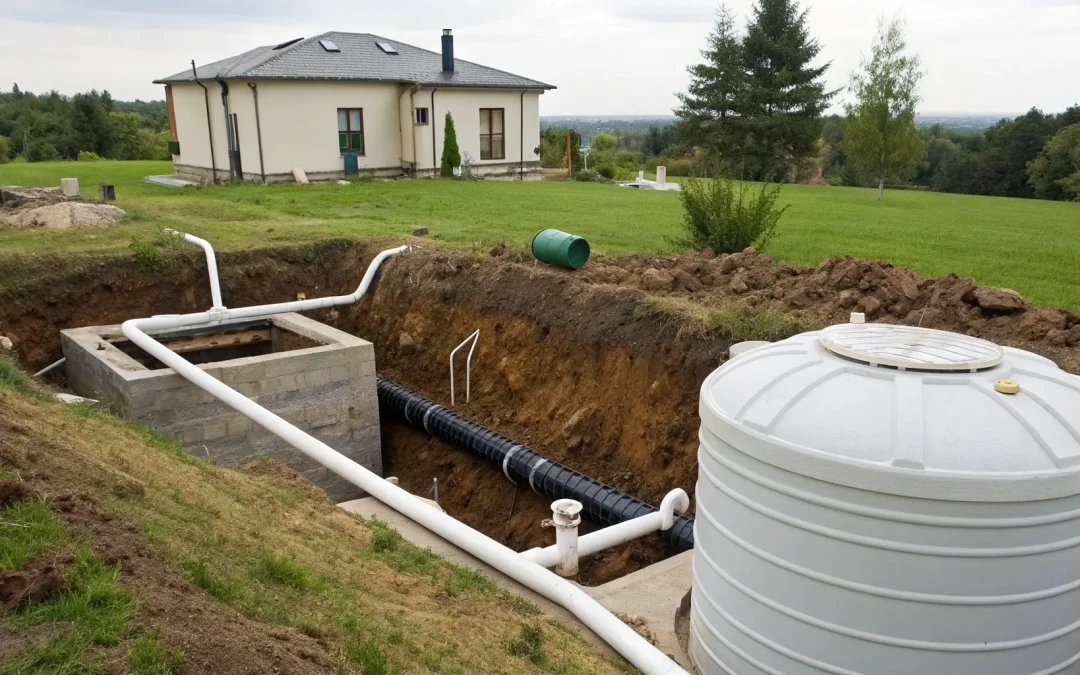
A failing drain field is one of the costliest and most frustrating problems a builder or homeowner can face. A primary cause of failure is an oversaturated system, where the soil can no longer absorb the sheer volume of wastewater. This is why managing greywater is so...
by Alexandra Hill | Feb 17, 2026 | Blogs
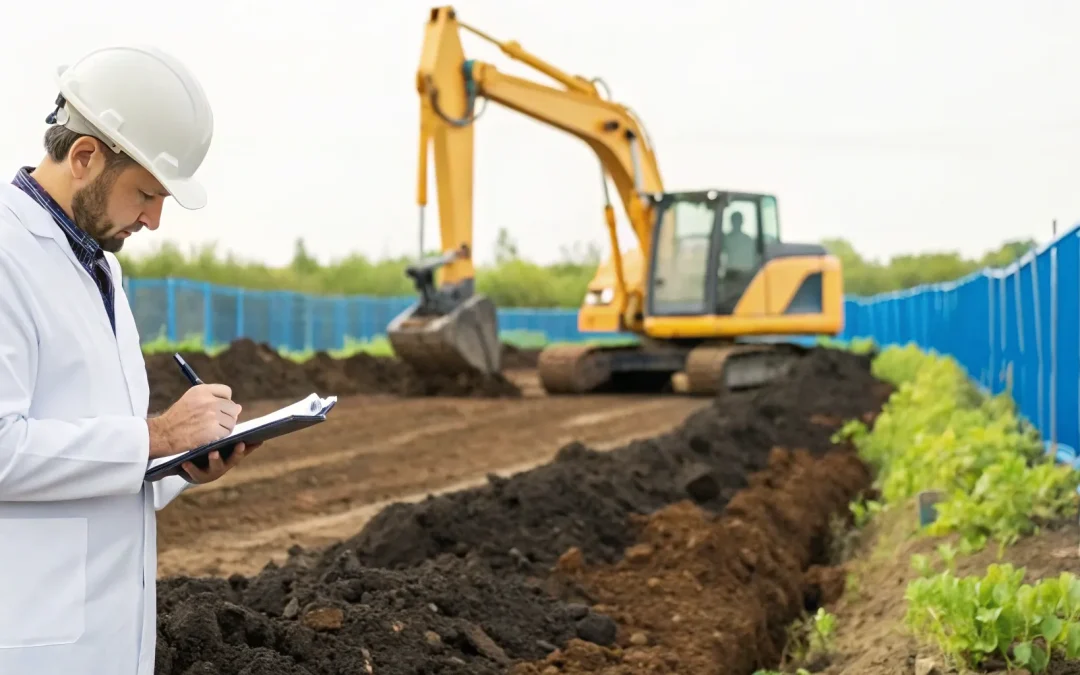
You’ve probably seen the warning signs on other properties: hairline cracks creeping up a brick wall, doors that no longer close properly, or persistent standing water in the yard after a storm. These aren’t just cosmetic issues; they are often symptoms of a...
by Alexandra Hill | Feb 17, 2026 | Blogs
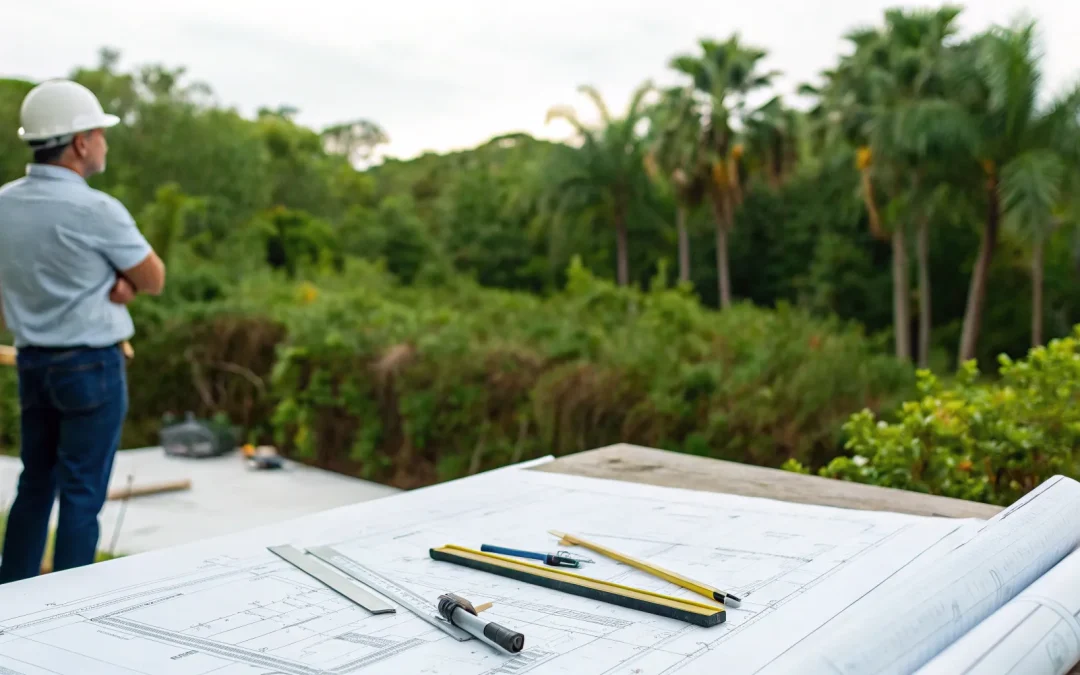
Nothing stalls a construction project faster than a rejected permit or a failed inspection. For builders and installers, these delays mean lost time and money. More often than not, the root cause is a flaw in the septic system plan. A poorly executed new construction...
by Alexandra Hill | Feb 17, 2026 | Blogs
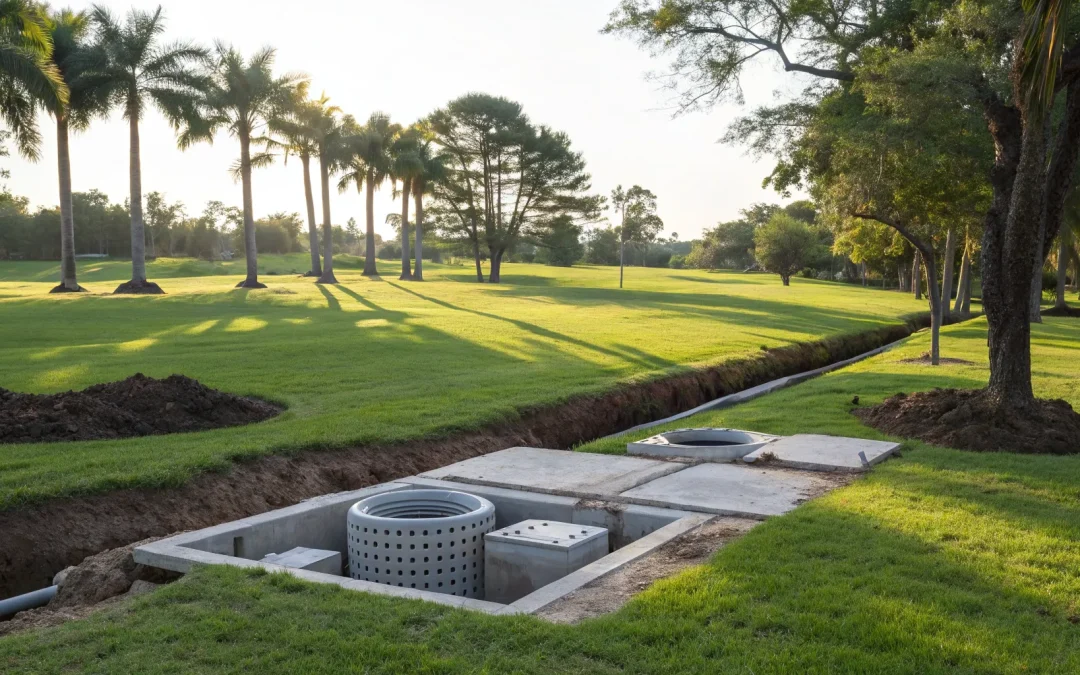
For builders and permit coordinators, navigating Florida’s septic regulations can feel like a full-time job. Local codes are strict, especially when a project is near wetlands, shorelines, or other protected areas. When these rules make a traditional drainfield...
