
Get a Septic System Design That Saves You Time, Money & Headaches
Avoid rework, prevent delays, and get fully compliant septic plans engineered specifically for your property. Land Perc provides clear designs, accurate soil data, and smooth permitting so your project moves forward without surprises.
Start a New OrderIf you build or develop property near Florida’s coastlines, rivers, or canals, you’re in a constant battle with water. Erosion is a slow but powerful force that can undermine structures and wash away valuable land. The most reliable defense in your toolkit is often riprap. But it’s more than just a pile of rocks; it’s an engineered system designed to protect your investment for the long haul. Understanding what is riprap erosion control is the first step to implementing it correctly. This guide will walk you through everything you need to know, from how it works and why it’s so durable to the proper installation techniques that ensure it lasts for decades. We’ll cover the practical details that matter for your projects.
Key Takeaways
- Think of riprap as shoreline armor: This engineered system of interlocking stones provides a durable, low-maintenance defense against erosion by absorbing wave energy and protecting the soil underneath.
- Success depends on the details: A lasting riprap installation requires a professional site assessment, correct rock sizing, and a crucial geotextile fabric layer to ensure the structure remains stable for decades.
- Consider the whole picture, not just the shoreline: Riprap is a powerful tool, but it’s important to weigh its environmental effects against alternatives like living shorelines to find the right solution for your project’s goals and local regulations.
What is Riprap, Exactly?
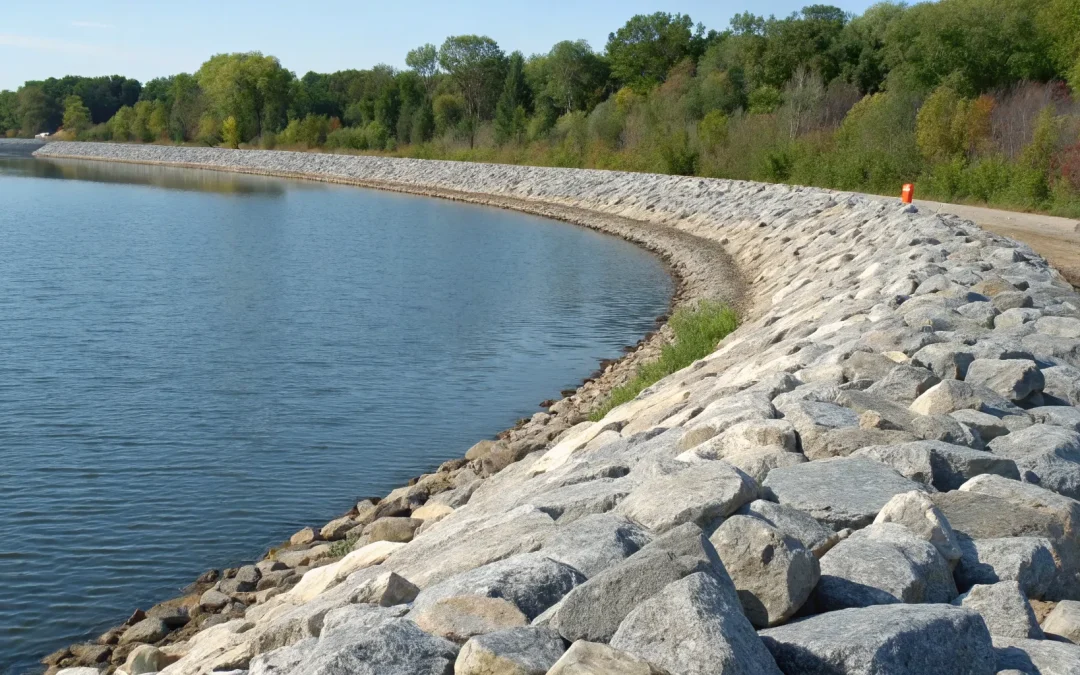
If you work on waterfront properties in Florida, you’ve likely seen riprap, even if you didn’t know its official name. Simply put, riprap is a layer of large, strategically placed stones used to protect shorelines and riverbanks from washing away. Think of it as armor for the land. Its main job is to absorb and deflect the energy of waves and flowing water, preventing erosion and keeping the soil where it belongs.
But it’s more than just a pile of rocks. A properly designed riprap installation is an engineered system. The size, shape, and placement of the stones are all carefully calculated to create a stable, interlocking barrier that can withstand the forces of nature. For builders and contractors, understanding riprap is key to developing durable, long-lasting waterfront projects. It’s a fundamental tool for shoreline stabilization, ensuring that the beautiful property you’re building today remains stable and secure for years to come. From coastal homes to canal-front communities, riprap provides a reliable defense against the constant pressure of water.
What Riprap is Made Of
The material used for riprap is often called rock armor or rubble, and for good reason. It consists of large, angular stones chosen for their durability and weight. You’ll typically find materials like granite or limestone used, as they are dense and resistant to weathering. The key here is the angular shape. Unlike smooth, rounded river rocks, the sharp edges and flat faces of riprap stones allow them to interlock with one another. This creates a flexible but incredibly stable matrix that can settle and shift slightly without failing, which is perfect for absorbing wave energy. The specific type and size of stone are always matched to the project’s unique conditions.
Common Places to Use Riprap
You’ll find riprap in any area where water meets land and poses a threat of erosion. In Florida, this includes a wide range of environments. It’s a go-to solution for protecting coastlines, lakeshores, and the banks of rivers and canals. You will also see it used to stabilize the slopes around bridges, culverts, and stormwater retention ponds, preventing washouts during heavy rains. Beyond just water erosion, riprap is also effective on steep slopes and embankments where gravity and runoff can cause soil to slide. It’s a versatile method used to protect infrastructure, private property, and natural habitats from the slow but powerful forces of erosion.
How Does Riprap Stop Erosion?
Riprap might look like a simple pile of rocks, but it’s an engineered solution designed to combat erosion in three specific ways. First, it absorbs the impact of waves and flowing water. Second, it acts as a protective shield to hold soil in place. Finally, its rough surface slows down the water’s flow, reducing its power to carry away soil. This combination makes it a powerful tool for protecting shorelines, streambanks, and other vulnerable areas. By understanding how these three functions work together, you can see why a proper design and installation are so critical for long-term success.
Absorbing the Force of Water
The primary job of riprap is to take a punch. When waves crash against a shoreline or a current rushes down a riverbank, the water carries a tremendous amount of energy. If that energy hits bare soil, it easily scours it away. Riprap’s large, heavy stones are placed to absorb and dissipate that force. Instead of a single, solid wall that could be undermined, the interlocking, angular rocks create a flexible barrier. The energy from the water is broken up as it hits the varied surfaces of the stones, preventing it from reaching the vulnerable soil underneath. This is why our shoreline stabilization solutions always start with a thorough site assessment to determine the right rock size.
Keeping Soil in Place
Once the water’s initial force is absorbed, riprap serves as a heavy-duty shield for the soil. Think of it as armor for the earth. The weight of the rock layer physically holds the soil down, preventing it from being washed away by currents or wave action. For this to work effectively, a geotextile fabric is often placed between the soil and the rocks. This fabric allows water to drain through but keeps soil particles from escaping through the gaps in the riprap. This two-part system ensures that even as water levels rise and fall, the underlying bank or shoreline remains stable and intact. It’s a straightforward but highly effective method for preventing gradual soil erosion.
Slowing Down Water Flow
Beyond just blocking the water, riprap actively slows it down. The rough, uneven surface of the angular rocks creates friction, which acts like a brake on the water flowing over it. A smooth, uniform surface like concrete would allow water to speed up, increasing its erosive power downstream. In contrast, the varied texture of a riprap installation forces the water to tumble and turn, reducing its velocity. This decrease in speed means the water has less energy to pick up and carry away soil particles from the bank or shoreline. It’s a critical function that not only protects the immediate area but also helps reduce erosion further along the waterway. Getting this design right is key, so it’s always best to work with a professional to ensure the installation is effective.
Why Choose Riprap for Erosion Control?
When you’re looking for a reliable way to protect a shoreline or embankment, riprap is often the first solution that comes to mind, and for good reason. It’s a proven method that balances strength, cost, and longevity. For builders and property owners in Florida, where water is a constant presence, understanding these benefits is key to making a smart investment in property protection. From its impressive durability against storms to its straightforward installation, riprap offers a practical and effective defense against erosion. Let’s look at the specific advantages that make it such a popular choice for projects big and small.
Long-Term Durability
One of the biggest draws of riprap is its incredible lifespan. When properly designed and installed, a riprap wall is a long-term solution, not a temporary fix. These structures are built to last, with many installations lasting between 70 to 100 years. The secret is in the material itself: hard, dense rock that can stand up to constant pressure from waves, currents, and Florida’s unpredictable weather. This resilience means you’re investing in a structure that will protect your property for decades to come. It provides peace of mind, knowing your shoreline or embankment has a formidable defense that won’t need to be completely redone in a few years.
A Cost-Effective Solution
While the initial investment for riprap installation is a key consideration, it’s one of the most cost-effective erosion control methods over the long haul. The price of the stone itself is quite reasonable, and when you factor in its long lifespan and minimal upkeep, the value becomes clear. You avoid the recurring costs of repairing or replacing less durable solutions like wooden bulkheads or sandbags. By choosing a lasting solution from the start, you save money and time down the road. Our team at Land Perc can help you plan a project that fits your budget while providing the lasting protection your property needs. You can explore all our shoreline stabilization services to see how we can help.
Versatility for Different Environments
Riprap isn’t a one-size-fits-all solution; it’s incredibly adaptable. It can be tailored to protect a wide range of environments, from coastal shorelines and riverbanks to retention ponds and drainage channels. The key is selecting the right size, shape, and type of rock for the specific conditions of your site. A calm lakefront will have different needs than a coastal area exposed to storm surge. This ability to handle tough weather and fit diverse landscapes makes riprap a reliable choice for countless projects across Florida. It provides a consistent, effective barrier whether you’re working on a residential property or a large commercial development.
Minimal Maintenance Needs
Another major advantage of riprap is how little maintenance it requires. Once installed, it largely takes care of itself. The main task is to perform regular visual inspections, especially after a major storm, to check for any stones that have shifted or been washed away. If you spot any gaps, you can simply add or replace rocks to keep the structure solid. This straightforward upkeep is a huge benefit for property owners and managers. You don’t need specialized equipment or constant attention to ensure it’s doing its job. If you have questions about maintaining your riprap, feel free to contact our team for expert advice.
What Are the Ecological Considerations?
While riprap is a powerful tool for protecting property, it’s not just about dropping rocks into place. Any time we alter a shoreline, we affect the local environment. In Florida, with our unique and sensitive ecosystems, understanding these impacts is a critical part of responsible building and development. Thinking through the ecological side of things isn’t just about following regulations; it’s about ensuring your project is sustainable and doesn’t create new problems down the line. A well-designed erosion control solution considers the entire picture, balancing structural integrity with environmental health. Proper shoreline stabilization planning is key to getting this balance right.
Impact on Local Habitats
A natural shoreline is a bustling hub of activity for local wildlife. When we replace soft, vegetated banks with hard rock structures, we change that environment. Riprap can reduce the nooks and crannies where small fish hide from predators and can eliminate the soft soil where wading birds find food. While it excels at protecting buildings, this shift can disrupt the food chain and displace animals that rely on the natural bank for shelter and sustenance. The goal of a professionally designed system is to minimize this disruption and protect the property without sacrificing the local habitat.
Changes to Water Flow
Waterways are dynamic systems, constantly moving sediment like sand and gravel downstream. This natural process helps build up banks and create healthy riverbeds. Riprap can act like a dam for this sediment, trapping it upstream. When that happens, the water downstream becomes “sediment-starved” and can start to carve deeper into the channel bed, a process known as scouring. This can destabilize the area and, ironically, cause erosion to speed up in other locations. Understanding how your project will affect water and sediment flow is crucial for long-term stability.
Effects on Shoreline Plants
The strip of land along a river or coast, known as the riparian zone, is incredibly important. Its trees, shrubs, and grasses are the first line of defense against erosion, and their roots hold the soil together. Installing riprap often requires clearing this vegetation, which removes a vital part of the ecosystem. Without these plants, there’s less shade, and no organic material like fallen branches enters the water. This debris might seem messy, but it provides essential shelter for fish and other aquatic life, creating a more complex and healthy habitat.
How It Affects Water Temperature
Losing shoreline vegetation has another direct effect: it turns up the heat. The shade from trees and plants helps keep water temperatures stable and cool. When that shade is gone, direct sunlight warms the water. This might not seem like a big deal, but even a few degrees can be stressful or fatal for certain fish and aquatic species that are adapted to a specific temperature range. In Florida’s warm climate, this effect can be even more pronounced. Maintaining a healthy buffer of native plants wherever possible is a key consideration in any shoreline project.
How to Install Riprap Correctly
Putting riprap in place might look like just dumping a pile of rocks, but it’s a precise process. A successful installation depends on careful planning and execution to make sure it stands up to the elements for years. Getting it right from the start saves you from costly repairs and ensures your shoreline is actually protected. It all comes down to a few key steps: assessing the site, choosing the right materials, and installing everything correctly.
Assessing and Prepping the Site
Before any rocks are delivered, a thorough site assessment is the most important first step. You need to look at the slope of the land, the type of soil you’re working with, and how water currently flows across the area. This initial analysis helps determine where erosion is most likely to happen and what kind of design will be most effective. Once the assessment is complete, the site needs to be prepped. This usually involves clearing away any vegetation and grading the slope to a stable angle before laying down any materials. A properly prepared foundation is essential for a stable, long-lasting riprap barrier.
Choosing the Right Rock Size
The size and type of rock you use are critical to your project’s success. The right choice depends entirely on the conditions of your site. A calm pond shoreline won’t need the same heavy-duty armor stone as a coastal area facing strong wave action. Different types of stone, like limestone and granite, also have unique properties and costs. A well-designed riprap installation often uses a mix of rock sizes that interlock to create a more stable structure. This mixture, known as graded riprap, prevents the stones from shifting and creates a stronger, more durable barrier against erosion.
Matching Installation to Your Site
Proper installation involves more than just placing rocks. For a stone riprap project to be effective, it needs to be built in layers. First, a filter layer, which can be a special geotextile fabric or a layer of sand and gravel, is put down. This filter is crucial because it keeps the underlying soil from washing out through the gaps in the larger rocks. Without it, the soil would erode from beneath the riprap, causing the entire structure to sink and fail. After the filter is in place, the larger armor stones are carefully arranged on top to form a protective, interlocking layer that can withstand the force of water.
Ensuring a Quality Installation
Your work isn’t finished once the last rock is set. To ensure the riprap provides lasting protection, you need a plan for ongoing quality control. We recommend you inspect the installation at least once a year and always after major storms. During these checks, look for any signs of damage, like rocks that have shifted, areas where the underlying fabric is exposed, or evidence of soil washing away. Catching these small issues early allows you to make simple repairs and prevents them from turning into major problems. Regular maintenance is the best way to ensure your riprap continues to do its job effectively.
How to Maintain Your Riprap
One of the best things about riprap is how little maintenance it requires. But “low maintenance” doesn’t mean “no maintenance.” A little bit of attention goes a long way in making sure your riprap wall continues to protect your property for decades to come. Think of it as a simple check-up to protect your investment. Regular inspections, especially after Florida’s notorious storms, help you catch small issues before they become big, expensive problems. By staying proactive, you ensure your shoreline or embankment remains stable and secure, preventing erosion and preserving your land’s value. It’s a straightforward process that saves you time, money, and headaches down the road.
Your Regular Inspection Checklist
Make it a habit to walk your riprap installation at least once a year and always after a major storm or flood. You don’t need any special equipment, just a keen eye. Look for rocks that have shifted significantly or fallen out of place, creating gaps in the barrier. Check for signs of soil washing out from behind or underneath the rocks, as this can indicate that the underlying filter fabric is compromised. Also, keep an eye out for any vegetation growing through the rocks that could displace them over time. A quick, consistent inspection is the easiest way to stay ahead of potential repairs.
When to Repair or Replace Rocks
If your inspection turns up a few displaced stones, it’s time for a little upkeep. Small-scale repairs often just involve putting shifted rocks back into place. However, if you find large gaps, broken rocks, or areas where the riprap has slumped down, you’ll need to bring in new material. The goal is to maintain a consistent, interlocking layer of rock that can effectively absorb wave energy. Ignoring missing or damaged rocks can create weak spots that erosion will quickly exploit, undermining the entire structure. Addressing these issues promptly keeps your riprap functioning as it should.
Warning Signs to Watch For
Beyond just moved rocks, there are a few key warning signs that your riprap needs professional attention. If you see significant erosion occurring behind the wall, it’s a major red flag. This means water is getting through and washing away the soil the riprap is meant to protect. Another warning sign is a noticeable sinking or slumping of a whole section of the wall, which could point to a problem with the base or slope. If you spot these issues, it’s best to consult with experts who can assess the underlying cause and recommend the right shoreline stabilization services.
What Affects Riprap’s Lifespan
A well-designed and properly installed riprap wall can last for generations, often 70 years or more. The biggest factors influencing its lifespan are the quality of the initial installation, the size and type of rock used, and the specific environmental conditions of your site. A project that uses correctly sized, durable stone and is built on a properly graded slope with the right geotextile fabric will stand the test of time. That’s why getting the design right from the very beginning is so critical. When you start a new project with a solid plan, you’re setting your shoreline up for long-term success.
How Riprap Compares to Other Methods
Riprap is a fantastic and widely used solution for erosion, but it’s not the only tool in the toolbox. Depending on your project’s specific needs, budget, and environmental setting, another method might be a better fit. Understanding the key differences between riprap and other common erosion control techniques will help you make an informed decision for your site. Let’s look at how riprap stacks up against retaining walls, living shorelines, and synthetic materials.
Riprap vs. Retaining Walls and Gabions
When you need to manage a steep slope or hold back a significant amount of soil, you might think of a retaining wall. Unlike riprap, which creates a flexible, sloped barrier of interlocking stones, a retaining wall is a rigid, vertical structure. Another option, gabions, are wire mesh cages filled with rocks that can be stacked like blocks. While retaining walls provide superior structural support for steep grades, they are often more expensive and less permeable than riprap. Riprap’s design is better for absorbing and dissipating the energy from waves and flowing water. Gabions offer a middle ground, providing more structure than loose riprap but more permeability than a solid wall. The best choice depends on whether you’re primarily fighting water energy or holding back soil on a sharp incline.
Riprap vs. Living Shorelines
A living shoreline is an increasingly popular, nature-based approach that uses plants, sand, and even oyster shells to create a stable and ecologically rich coastline. This method stands in contrast to “hard armoring” solutions like riprap. The biggest difference lies in their environmental impact. A riprap shoreline effectively breaks waves but doesn’t offer much ecological value; it doesn’t filter runoff from your property or provide a natural habitat. In contrast, native shorelines are designed to do just that. Their plant roots help filter pollutants and absorb water, which can reduce localized flooding. While living shorelines are an excellent choice for lower-energy environments, riprap often provides more reliable and immediate protection in areas exposed to significant wave action or strong currents.
Riprap vs. Geotextiles and Synthetics
This comparison isn’t always an “either/or” scenario. In fact, geotextile fabric is a critical component of a proper riprap installation. This special fabric is laid down before the rocks are placed to prevent the underlying soil from washing out through the gaps in the stones. Without it, the riprap could eventually fail. Other synthetic options, like erosion control blankets, serve a different purpose. These biodegradable or synthetic mats are rolled out over graded slopes to hold soil and seed in place while vegetation grows. Once the plants are established, their root systems provide natural, long-term erosion control. These blankets are ideal for stabilizing hillsides or channel banks where vegetation is the ultimate goal, whereas riprap is the go-to for armoring areas against direct water forces.
Is Riprap Right for Your Project?
Deciding on the best erosion control method comes down to your specific site, budget, and long-term goals. Riprap is an excellent and durable solution, but it’s not a one-size-fits-all answer. To determine if it’s the right fit, you need to look at the conditions of your property, understand the regulatory landscape, and recognize when to bring in a professional.
The Best Conditions for Riprap
Riprap is a powerful tool for erosion control, but it shines brightest in specific situations. It’s most effective in areas constantly battling water, like Florida’s extensive coastlines, riverbanks, and lakeshores. The large, angular stones, typically durable granite or limestone, are designed to withstand harsh weather and strong currents. Riprap is also a great solution for stabilizing slopes and embankments where soil erosion is a concern. If your project site faces direct and persistent erosive forces from water, riprap offers a robust, long-lasting defense.
Understanding Permits and Regulations
Before you start laying down rock armor, you need to get through the permitting process. In Florida, any work along a shoreline is subject to strict local and state regulations. You can’t just install riprap; you need a plan that considers the project’s environmental impact and appearance. This is where things can get complicated. Navigating these rules requires a deep understanding of agency requirements. Our team specializes in handling all the necessary permitting and compliance to ensure your project meets every legal standard without delays.
Why You Need to Work With a Pro
While it might seem straightforward, installing riprap correctly is a technical process. A successful installation depends on a proper site assessment, choosing the right rock, and using the correct placement techniques. Getting it wrong can lead to the structure failing, which means your erosion problem returns, and you’ve wasted time and money. For critical projects, working with an experienced team is non-negotiable. Professionals ensure the job is done right the first time. With over 40,000 projects under our belt, we have the experience to design and permit a riprap solution that works for your site. You can start a new order with us to get the process started.
Related Articles
- Property Drainage Plan: A Florida Homeowner’s Guide
- Understanding BMAP Requirements in Southwest Florida – Land Perc
- Top 5 Site Planning Issues That Delay Florida Construction Projects – Land Perc
- Land Perc: Septic System Design & Inspections Serving All Florida
- About Land Perc | Septic System Design in Florida
Frequently Asked Questions
How do I know what size rock my project needs? Choosing the right rock size is an engineering calculation, not a guess. The decision depends entirely on the amount of force the shoreline will face. A property on a calm canal can use smaller, lighter stone, while a coastal site exposed to storm surge requires much larger, heavier armor stone to stay in place. A professional assessment will analyze wave height and water velocity to specify the exact size and grade of rock needed to protect your property effectively.
Do I really need a permit to install riprap on my property? Yes, in almost every case. Any work that alters a shoreline in Florida requires permits from local or state agencies. This process isn’t just about paperwork; it ensures your project is designed safely, won’t cause unintended erosion on neighboring properties, and meets environmental protection standards. Handling the permitting correctly from the start prevents costly fines and project delays down the road.
What’s the most common reason a riprap installation fails? The number one cause of failure is improper installation, specifically skipping the geotextile filter fabric. This fabric is laid on the graded slope before the rocks are placed, and it’s what holds the soil in place while letting water drain. Without it, water will wash the soil out from between the rocks, causing the entire structure to sink and collapse from within. Using rocks that are too small for the site’s conditions is a close second.
Can riprap be combined with plants to make it more natural-looking? Absolutely. Integrating native vegetation is a great way to soften the appearance of a riprap shoreline and add ecological value. Certain deep-rooted plants can be placed in the soil between the rocks, which helps to further stabilize the bank and create a small habitat for wildlife. This hybrid approach gives you the structural protection of hard armor with some of the environmental benefits of a living shoreline.
How does riprap compare to a concrete seawall for shoreline protection? The main difference is how they handle wave energy. A sloped riprap wall absorbs and breaks up the force of waves, reducing their power. A vertical concrete seawall acts like a solid wall, reflecting wave energy back into the water. This reflected energy can scour the area at the base of the wall and increase erosion on adjacent properties. Riprap is often more cost-effective and a better choice for dissipating energy, while seawalls are typically used where there is very little space.