
Get a Septic System Design That Saves You Time, Money & Headaches
Avoid rework, prevent delays, and get fully compliant septic plans engineered specifically for your property. Land Perc provides clear designs, accurate soil data, and smooth permitting so your project moves forward without surprises.
Start a New OrderEvery plot of land in Florida holds its own secrets just beneath the surface. From the sandy soils of the coast to the dense clays found inland, you can’t know how the ground will handle wastewater until you test it. This uncertainty is the biggest risk when planning a new septic system. A professional perc test removes that risk by providing clear, scientific data on your soil’s absorption capabilities. The cost of a perc test for septic system is the price you pay for that clarity. It’s the crucial step that prevents you from designing a system that’s doomed to fail, saving you from far greater expenses down the road.
Key Takeaways
- Understand the Cost Variables: A perc test isn’t a flat-rate service; the price is shaped by your property’s size, soil conditions, and local regulations. Knowing this helps you budget accurately for the specific needs of your project.
- Prioritize Local Experience: Hiring a certified professional who knows your area’s specific soil and regulations is crucial. Their local expertise ensures the test is done right the first time, preventing costly retests and permitting delays.
- A Failed Test Informs Your Next Steps: A failed perc test doesn’t kill your project; it simply rules out a conventional septic system for that location. The results provide essential data that guide you toward the right solution, whether it’s retesting elsewhere or designing an alternative system.
What is a Perc Test and Why Do I Need One?
A perc test, short for percolation test, is a straightforward soil assessment that measures how quickly water drains through the ground. If you’re planning to install a new septic system or replace an old one, this test is a critical first step. The results tell us everything we need to know about your soil’s absorption capabilities, which directly dictates the type and size of the septic system your property can support. Think of it as creating a blueprint for a system that will work efficiently with your land. It’s a foundational part of our septic system design process, ensuring your project starts on solid ground.
How Soil Percolation Works
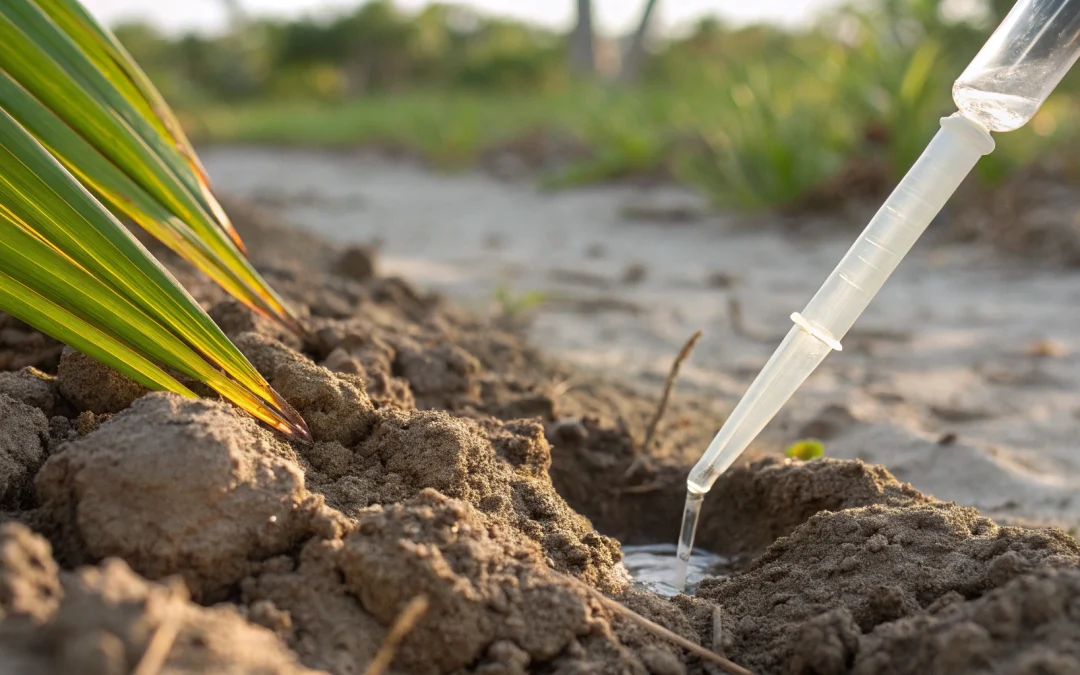
The process of a perc test is fairly simple. A professional will dig one or more holes in the proposed drain field area. These holes are then filled with water, and we carefully time how long it takes for the water level to drop. This measurement gives us the “percolation rate.” A fast rate means you have porous, sandy soil, while a slow rate indicates heavy clay or compacted soil. Understanding this rate is vital because the drain field’s job is to safely disperse treated wastewater into the ground. If the soil can’t absorb water effectively, the system will fail, leading to backups and environmental hazards.
Why Permits Require a Perc Test
Local health departments across Florida require a perc test before issuing a permit for a septic system, and for good reason. It’s not just about checking a box; it’s about public health and long-term performance. The test results provide the essential data needed to design a septic tank and drain field that are correctly sized for your property’s specific conditions. This ensures the system can handle the household’s wastewater load without overwhelming the soil. A properly designed system based on a perc test is the key to preventing premature failure, costly repairs, and potential groundwater contamination, making it a crucial link for long-lasting septic systems.
How Much Does a Perc Test Cost in Florida?
When you’re mapping out a new construction project, one of the first and most practical questions is about cost. So, let’s get straight to it: how much should you budget for a percolation (perc) test in Florida? While there isn’t a single flat rate, understanding the typical price range and the factors that influence it can help you plan effectively. The final cost depends on your property’s specific needs, local rules, and the type of test required. We’ll break down what you can generally expect to pay.
Average Costs by Test Type
On average, a perc test in Florida costs about $1,300, with most builders and homeowners spending somewhere between $750 and $1,900. For a straightforward test on a simple lot, you might see costs as low as $300. On the other hand, for larger properties or sites with challenging soil conditions that require more extensive testing, the price can go up to $3,000. Think of these numbers as a reliable starting point for your budget. The specifics of your septic system design will ultimately determine where your project falls within this range.
How Location Affects the Price
It might surprise you, but your property’s location plays a major role in the cost of a perc test. This isn’t about real estate values; it’s about local government regulations. Each county and municipality in Florida has its own set of rules for septic systems, including how many test holes are needed and how deep they must be. An experienced professional who understands these local nuances is essential. With projects completed in every corner of the state, we have deep local soil experience and know exactly what each jurisdiction requires, ensuring your test is done correctly and efficiently from the start.
Breaking Down the Cost Per Hole
To get a clearer picture of your total investment, it helps to look at the cost on a per-hole basis. For a manual perc test using hand-dug holes, you can typically expect to pay between $150 and $300 per hole. If the site requires heavy equipment for machine-dug holes, the starting price is usually around $550. Each additional hole needed to get a complete and accurate reading of the soil generally adds about $150 to the total. Because every site is unique, the best way to budget accurately is to request a quote tailored to your specific project needs.
What Factors Influence Perc Test Pricing?
When you’re budgeting for a new construction project, you want clear numbers. But the cost of a percolation test isn’t a single, flat fee. It’s a variable expense that depends entirely on the unique characteristics of your property. Think of it less like buying a product off the shelf and more like a custom service tailored to your specific piece of land. Each site presents its own puzzle, and the perc test is the first step in solving it.
Several key factors come into play, from the sheer size of the lot to the type of soil hiding just beneath the surface. Is the land flat and clear, or is it a wooded, sloped challenge? Does the soil drain quickly, or does it hold water like a sponge? The answers to these questions directly influence the time, equipment, and expertise needed for the job. Understanding these variables will help you anticipate costs and see why a professional evaluation is so important for getting an accurate quote. At Land Perc, we consider all these elements to provide a clear and comprehensive septic system design, starting with a precise understanding of your site’s conditions. Let’s break down exactly what influences the final price tag.
Your Property Size and Number of Holes
It’s a simple equation: the larger the property, the more area we need to test to find the best location for a drain field. A small, quarter-acre lot might only require a few test holes to get a clear picture of the soil’s drainage capabilities. However, a sprawling multi-acre property will need a more extensive series of tests spread across the site to ensure we identify the most suitable spot. Local health department regulations often dictate the minimum number of test holes based on lot size and the number of bedrooms in the proposed home, which directly scales the scope and cost of the work.
Soil Conditions and Site Access
Not all land is created equal. Easy-to-dig, sandy soil is much quicker and simpler to test than dense clay or rocky ground, which may require more time and heavier equipment. The accessibility of your site also plays a big role. A flat, clear lot is straightforward, but a property on a steep slope, covered in dense trees, or located in a remote area presents logistical challenges. If we can’t get machinery to the ideal test spot, the work may need to be done by hand, which can influence the overall cost. These site-specific challenges are why a one-size-fits-all price just doesn’t work.
Manual vs. Machine Testing Methods
The method used to dig the test holes is another key factor in the cost. Manual, hand-dug perc tests are generally less expensive and are a great option for sites with easy soil or limited access for heavy machinery. On the other hand, tests requiring a machine excavator cost more but are often necessary. An excavator can dig deeper and handle challenging soil conditions like rock or dense clay far more efficiently than manual labor. The right method depends entirely on your property’s soil profile and the specific requirements set by the local health department for your septic system permit.
Local Regulations and Permit Fees
Every county in Florida has its own set of rules for septic systems, and these local regulations are a major driver of perc test requirements. Your local health department dictates everything from how many holes are needed to how deep they must be. Many jurisdictions also mandate that a licensed professional, like a certified engineer or septic designer, must be the one to conduct the test and submit the results. These professional services and the associated permit application fees are an essential part of the budget. Following these local codes is a critical step, ensuring your project moves forward without any compliance headaches.
Types of Perc Tests and How Their Costs Compare
Not all perc tests are created equal. The method your professional uses will depend entirely on your property’s soil, topography, and local health department requirements. Understanding the different types of tests can help you anticipate the process and the potential costs involved. Some sites only need simple, hand-dug holes, while others with more challenging conditions require heavy machinery and a more in-depth analysis.
Each approach has a different price point that reflects the labor, equipment, and expertise required. A straightforward test on a flat lot with loamy soil will naturally cost less than one on a rocky slope that requires a backhoe. We’ll break down the three main types of perc tests so you know what to expect when you get a quote. Knowing the difference will help you have a more informed conversation with your septic designer and ensure you’re getting the right evaluation for your specific piece of land. This isn’t just about passing or failing; it’s about gathering the precise data needed to design a septic system that functions correctly and lasts for decades. The type of test directly influences the quality of that data, which is why choosing the right method from the start is so important for the success of your project.
Manual Hand-Dug Tests
This is the most common and straightforward type of perc test. As the name suggests, a professional manually digs a series of holes with tools like a post-hole digger or shovel. It’s the standard for many residential properties with accessible soil and relatively simple site conditions. Because it doesn’t require heavy machinery, it’s also the most budget-friendly option.
The cost for a manual perc test typically falls between $150 and $300. This method is perfectly sufficient for most standard septic system evaluations and is often the first choice for professionals when site conditions allow. It provides the necessary data on water absorption without the added expense of bringing in an excavator.
Machine-Dug Excavation Tests
When the ground is too rocky, compacted, or difficult to dig by hand, it’s time to bring in the machinery. Machine-dug tests use equipment like a backhoe to excavate the necessary holes. This method is essential for sites where the soil conditions are more challenging or when regulations require deeper test pits than can be practically dug by hand. The use of heavy equipment allows for precise, deep holes that give a clearer picture of the soil profile.
Because this involves more logistics and equipment, the cost is higher. You can expect machine-dug tests to start at a minimum of $550. While it costs more, this type of soil testing is non-negotiable for ensuring an accurate assessment on complex properties.
Deep Hole Tests for Tricky Sites
For properties with particularly challenging conditions, a deep hole test is often required. This is the most intensive—and expensive—type of perc test. It’s reserved for sites where the initial soil layers are unsuitable for a drainfield, requiring a much deeper investigation to find a permeable layer. These tests can involve digging multiple holes up to six feet deep and often require an engineer and septic designer to be on-site to supervise and analyze the findings in real-time.
The price for these complex evaluations can reach up to $3,000. The high cost reflects the extensive labor, specialized expertise, and potential need for heavy equipment like a backhoe, which can add $200 or more to the final bill.
How to Choose the Right Perc Test Professional
Choosing the right professional for your perc test is about more than just getting a hole dug in the ground. The person you hire can directly impact your project’s timeline, budget, and overall success. A perc test isn’t just a box to check; it’s a critical diagnostic step that determines the feasibility and design of the entire septic system. The right expert brings a deep understanding of soil science, local regulations, and septic system engineering to the table.
Think of them as a crucial partner in your build. A seasoned professional will not only perform the test accurately but also interpret the results in the context of your specific site and local health department codes. They can foresee potential issues, offer solutions, and provide the detailed, reliable data needed for a smooth permitting process. Investing in a qualified expert upfront saves you from the headaches of failed tests, costly redesigns, and project delays down the road. When you’re vetting potential partners, focus on their credentials, local experience, and professional assurances.
Check for Certifications and Licensing
Before you hire anyone, the first thing you should confirm is their professional credentials. In Florida, many local health departments require a licensed septic system designer or a professional engineer to conduct and sign off on a perc test. This isn’t just red tape; it ensures the person evaluating your property has the formal training and accountability to do the job correctly. Ask for their license number and verify it with the state board. A true professional will have this information readily available. At Land Perc, our team consists of qualified experts who meet all state and local requirements, ensuring your test results are accepted without question.
Look for Local Soil Experience
Florida’s soil composition can change dramatically from one county to the next—or even from one side of a property to the other. That’s why hiring someone with extensive experience in your specific area is so important. A professional who is familiar with the local soil conditions—be it sandy loam, dense clay, or high water tables—can anticipate challenges and perform a more accurate test. They’ll know the common pitfalls and what local regulators look for. This local expertise translates into a more efficient process, saving you from the potential cost and delay of a failed test due to unfamiliar soil types.
Verify Insurance and Guarantees
Protecting your project and your investment is paramount. Always ask a potential perc test provider for proof of insurance, including general liability and professional liability (also known as errors and omissions). General liability covers any accidents that might happen on your property during the test, while professional liability protects you if an error in their work leads to a faulty septic design. A reputable company will never hesitate to provide their insurance certificates. This simple step ensures you’re covered and gives you peace of mind that you’re working with a legitimate, responsible professional. If you have questions about our coverage, feel free to contact us directly.
What Happens if Your Property Fails a Perc Test?
Getting the news that your property failed its perc test can feel like a major setback, but it’s not the end of the road for your project. A failed test simply means that the soil in the specific area tested doesn’t absorb water at a rate suitable for a conventional septic drain field. This could be due to dense clay, rock, or other impermeable layers. Sometimes, a failed test isn’t just about soil composition; it can also indicate a high water table that could interfere with proper drainage and system function.
This is exactly why professional soil testing is a non-negotiable first step in any development. If you try to cut corners and skip the soil testing stage, you expose your project to unforeseen complications and potential system failures down the line. A failed perc test provides crucial information that allows you to pivot your strategy. Instead of seeing it as a roadblock, think of it as a detour. You now have the data needed to explore other solutions, whether that means retesting in a different location or designing an alternative system that works with your site’s unique conditions. With the right approach, you can still move forward with a safe and compliant wastewater solution.
Your Options for Alternative Septic Systems
When a conventional septic system isn’t an option, it’s time to look at alternative systems. These engineered solutions are designed specifically for properties with challenging soil conditions, steep slopes, or limited space. Common alternatives in Florida include mound systems, which use a raised sand bed for wastewater treatment, or aerobic treatment units (ATUs), which introduce oxygen to break down waste more efficiently before it enters the drain field.
While these alternative systems can have higher initial costs, they are a responsible and effective way to develop land that would otherwise be unusable. The key is working with an expert who understands these complex designs. Consulting with a qualified professional is essential to creating a plan that addresses your site’s specific challenges and meets all local health department regulations.
The Retesting Process and Potential Costs
A single failed test doesn’t automatically mean your entire property is unsuitable. Often, the solution is as simple as moving to a different area of the lot. An experienced soil scientist can analyze your site and identify a more promising location for a second test. As one expert notes, a failed test doesn’t mean your land is useless; you can try testing in a different spot, digging deeper, or exploring other options.
In some cases, soil remediation might be an option. This involves modifying the soil by adding materials like sand or aggregate to improve its drainage properties. While retesting and remediation add to your project timeline and budget, these steps are a necessary investment to ensure your septic system will be effective and long-lasting.
Budgeting Beyond the Perc Test
The perc test is a critical first step, but it’s just that—a first step. Think of it as the diagnostic tool that informs the entire septic system project. The results will tell you what kind of system your property can support, which directly impacts your total budget. A passing test might point toward a straightforward, conventional system, while a failing test signals the need for a more engineered solution. This is where your budget can really start to change, so it’s smart to plan for different outcomes from the very beginning.
Planning your budget accurately means looking past the initial cost of the soil test. The real expenses lie in the design, permitting, and installation of the full system. For example, the cost to install a new septic system can range from around $3,600 to over $12,000, depending on its complexity and your site’s specific needs. By understanding the potential paths your project might take based on the perc test outcome, you can prepare for the financial scope of the entire installation. This foresight helps prevent unexpected costs and delays down the road, ensuring your project stays on track from the initial dig to the final inspection. We help you see the full picture, providing clear guidance on what to expect after the soil analysis is complete so you can start your new order with confidence.
Septic System Design and Engineering
Once you have your perc test results, the project moves into the design phase. If your soil drains well, you’re likely looking at a standard septic system design. However, if the test fails, it doesn’t mean your project is over. It simply means you need a more specialized approach. This is where an experienced engineer creates a plan for an alternative system, like a mound or aerobic treatment unit, that works with your site’s specific conditions. Our team specializes in creating custom septic system designs that meet Florida’s stringent codes, ensuring your system is efficient and built for the long haul, no matter the soil type.
Permitting and Installation Fees
With a finalized design in hand, the next steps are securing permits and hiring an installer. Permitting fees vary by county, but they are a necessary part of the budget you can’t overlook. We handle the entire permitting and compliance process to make sure all paperwork is filed correctly and on time, saving you from potential headaches. After that comes the largest expense: installation. As mentioned, costs can range from a few thousand to over ten thousand dollars. This price depends heavily on the type of system being installed—a complex engineered system will naturally cost more than a conventional one. Getting quotes from qualified installers based on your approved design is the best way to nail down this final figure.
Common Myths About Perc Test Costs
When you’re planning a new construction project, every line item in the budget matters. The cost of a percolation test is a critical early step, but it’s often surrounded by misconceptions that can lead to unexpected expenses and delays. Getting a clear picture of the real costs from the start helps you avoid surprises down the road. Let’s clear up a couple of common myths so you can plan your project with confidence and keep your budget on track. Understanding what goes into the pricing ensures you’re paying for accurate, reliable results that your project depends on.
The Pitfalls of DIY Testing
It can be tempting to think you can save a few hundred dollars by performing a perc test yourself. While home test kits are available and might work for a small garden project, they are not reliable enough for a septic system design. Florida’s regulations require precise, professional testing to ensure a new septic system functions safely and effectively for years to come. An inaccurate DIY test will almost certainly be rejected by the health department, forcing you to hire a professional anyway. This not only wastes your time and money but can also bring your entire construction schedule to a halt. For a task this critical, it’s best to rely on certified septic system design experts from the beginning.
How to Spot Hidden Fees
Another common myth is that the initial quote for a perc test is the final price. The reality is that several factors can add to the total cost. For example, if the initial test holes don’t yield clear results, additional holes may be needed, and each one can add to your bill. The total cost can also vary widely based on whether the test is hand-dug or requires heavy machinery for difficult soil. Beyond the test itself, remember to budget for related services like land grading or the actual septic tank installation, which are separate expenses. To avoid surprises, always ask for a detailed quote that breaks down every potential charge. When you’re ready for a transparent estimate, you can start a new order with us to get a clear understanding of the costs upfront.
Related Articles
- Septic System Design & Perc Testing Services | Land Perc FL
- Septic System Design FAQs: Perc Tests, Cost & Timeline | FL
- Do I Need a Permit for a Septic System in Florida? – Land Perc
- About Land Perc | Septic System Design in Florida
Frequently Asked Questions
How long does the perc test process usually take? The on-site testing itself is usually completed in just a few hours. However, the entire process from start to finish takes a bit longer. You should account for the time it takes to schedule the test, the analysis of the results, and the preparation of the final report that gets submitted to the health department. We work efficiently to keep your project moving, but it’s always wise to plan for this step in your construction timeline.
Can I do anything to prepare my property for a perc test? Yes, and a little preparation can make the process go much smoother. The most helpful thing you can do is clear the proposed test area of any dense brush, debris, or stored materials. It’s also important to mark any known underground utility lines and ensure there is a clear path for our team and any necessary equipment to access the site. This helps us get straight to work and conduct the test accurately and safely.
Why can’t I get a single, flat-rate price for a perc test? A flat-rate price wouldn’t be fair to you or accurate for the project. The final cost is directly tied to the unique conditions of your land. Factors like your property’s size, the type of soil we encounter, site accessibility, and specific local county requirements all influence the scope of the work. Providing a custom quote ensures you only pay for the services your specific site requires.
What happens if my property has a high water table? Discovering a high water table is one of the key reasons a professional perc test is so important, especially here in Florida. It often means a conventional septic system won’t function correctly because the groundwater is too close to the surface. In this situation, we would move on to designing an alternative system, such as a mound system, which raises the drain field to ensure proper wastewater treatment and protect the environment.
Do I need a new perc test if I’m just replacing an old septic system? In almost all cases, yes. Local health departments typically require a new perc test even when you’re replacing an existing system. There are a couple of good reasons for this. First, soil conditions can change over many years. Second, septic system regulations and codes are updated over time. A new test ensures your replacement system is designed to meet current standards and is suited for the property’s present-day conditions.