
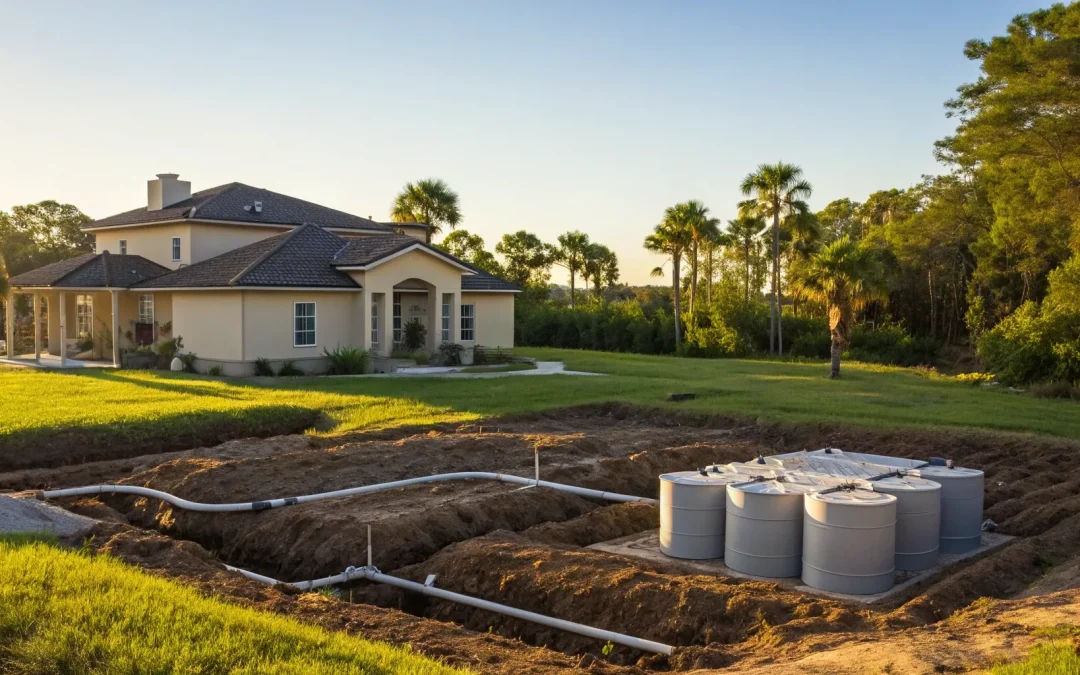
Get a Septic System Design That Saves You Time, Money & Headaches
Avoid rework, prevent delays, and get fully compliant septic plans engineered specifically for your property. Land Perc provides clear designs, accurate soil data, and smooth permitting so your project moves forward without surprises.
Start a New OrderMany people think of a septic system as a simple “out of sight, out of mind” container. But as a professional, you know it’s a complex, living ecosystem that demands precision. A misunderstanding of its basic functions can lead to installation errors, premature failures, and unhappy clients. This is where a clear grasp of the fundamentals becomes your most valuable tool. We’re going beyond the surface to explain how a septic system truly works—from the biological breakdown of waste to the critical role of the drain field. Understanding these essential septic tank details helps you troubleshoot issues, educate homeowners, and ensure every system you install is set up for long-term success from day one.
Key Takeaways
- Site Conditions Dictate System Design: A septic system is never a one-size-fits-all solution. Its success depends on a custom design tailored to the property’s specific soil type, water table, and household size, all while adhering to strict Florida regulations.
- Proper Use Prevents Most Failures: The majority of septic problems are caused by improper use. The three most important rules are to conserve water, never flush anything besides toilet paper and human waste, and keep all vehicle traffic and deep-rooted plants off the drain field.
- Routine Maintenance is Non-Negotiable: A septic system requires professional attention to function for the long term. Plan for a professional inspection every three years and have the tank pumped every three to five years to prevent solid buildup from causing irreversible damage to the drain field.
How Does a Septic Tank Actually Work?
Think of a septic system as a small, highly efficient wastewater treatment facility designed for a single property. It’s an underground, self-contained system that handles everything your home or building sends down the drain. From toilets and showers to kitchen sinks and laundry machines, all wastewater flows into the septic system to be treated safely and naturally. Understanding this process is the first step in designing, installing, and maintaining a system that performs reliably for years. A well-designed system protects both public health and the environment, making it a critical piece of infrastructure for any property not connected to a municipal sewer.
Its Basic Job and Purpose
At its core, a septic system’s job is to take all the wastewater generated by a household and treat it on-site. This process relies on a combination of technology and natural processes to separate solids from liquids and purify the water before returning it to the groundwater system. A standard system has two main components that work together: the septic tank itself and the drain field, which is also called a soil absorption field. The tank provides the initial treatment, while the drain field finishes the job. Proper septic system design ensures both parts are correctly sized and suited for the property’s specific soil conditions and water usage.
Its Role in Treating Wastewater
Inside the septic tank, the magic of gravity and biology begins. Wastewater is held in the tank long enough for heavy solids to settle to the bottom, forming a layer called sludge. Lighter materials, like grease and oil, float to the top, creating a layer of scum. This natural separation allows the liquid in the middle—known as effluent—to flow out of the tank and into the drain field. The tank is designed to keep the sludge and scum layers contained, preventing them from clogging the next stage. The soil in the drain field then acts as a massive natural filter, removing harmful bacteria and viruses as the effluent slowly percolates through it, as explained by the U.S. Environmental Protection Agency.
What Are the Key Parts of a Septic System?
A septic system might seem like a simple setup, but it’s a carefully designed ecosystem with several key components working in harmony. Understanding each part and its specific job is the first step to ensuring a smooth installation and long-term performance. From the initial collection point to the final filtration stage, every piece plays a critical role in safely and effectively treating wastewater on-site. Let’s break down the three main components you’ll find in nearly every system.
The Septic Tank Itself
The septic tank is the heart of the operation. This large, buried container is where all the wastewater from a home or building first collects. Its primary job is to hold the water long enough for heavy solids to settle at the bottom, forming a layer called sludge. Lighter materials, like grease and oil, float to the top, creating a layer of scum. This natural separation process is the first stage of treatment. Internal components, like baffles or tees, are designed to keep the sludge and scum layers contained, ensuring only the partially clarified liquid waste, or effluent, moves on to the next part of the system. A properly executed septic system design ensures the tank is the right size for the property’s needs.
The Drain Field
Often called a leach field, the drain field is where the real magic of filtration happens. After leaving the septic tank, the liquid effluent flows into a network of perforated pipes buried in shallow, gravel-filled trenches. These pipes slowly release the water into the surrounding soil. The soil itself acts as a massive, natural filter. As the water percolates downward, the soil removes harmful bacteria, viruses, and other contaminants before the water eventually reaches the groundwater. The effectiveness of the drain field depends entirely on the site’s ground conditions, which is why professional soil and percolation testing is a non-negotiable step in the design process.
Distribution Boxes and Other Parts
While the tank and drain field are the main players, several smaller components are essential for keeping the system running smoothly. An inlet tee directs wastewater into the tank to minimize disturbance of the settled layers. At the other end, an outlet tee with an effluent filter acts as a final gatekeeper, preventing any stray solids from escaping and clogging the drain field. Many systems also include a distribution box, a small container that sits between the tank and the drain field. Its job is to evenly distribute the effluent across all the trenches, preventing any single area from becoming oversaturated. These parts are the unsung heroes that protect the system’s efficiency and extend its lifespan.
How Septic Tanks Treat Wastewater
A septic tank is more than just a holding container; it’s an efficient, self-contained wastewater treatment facility. It uses simple physics and natural biology to process all the waste from a home or building, turning it into treated water that can be safely returned to the environment. Understanding this multi-stage process is key to designing and installing a system that performs reliably for years. Let’s break down exactly how it works.
The Three-Layer Separation Process
When wastewater flows into the septic tank, it slows down enough for gravity to do its job. The contents naturally separate into three distinct layers. Heavy solids sink to the bottom, forming a layer called sludge. Lighter materials, like grease and oil, float to the top to create a layer of scum. In the middle is the relatively clear liquid wastewater, known as effluent. Baffles at the tank’s inlet and outlet are essential components that keep the sludge and scum inside the tank, preventing them from flowing out and clogging the drain field. This separation is the critical first step in the treatment process.
How Bacteria Break Down Waste
The septic tank is a living environment where anaerobic bacteria thrive. These naturally occurring microorganisms are the system’s workhorses, constantly digesting the organic solids in the sludge layer. This biological process breaks down complex waste, significantly reducing the volume of sludge over time and extending the period between pump-outs. It’s also why you should avoid flushing harsh chemicals or antibacterial agents that can kill these beneficial bacteria and disrupt the entire system. A healthy bacterial colony is essential for a properly functioning septic system.
Discharging Effluent and Filtering Through Soil
After the solids have settled, the liquid effluent flows from the tank into the drain field, a network of perforated pipes buried in shallow, gravel-filled trenches. Here, the final and most important treatment stage begins. The soil itself acts as a massive, natural filter. As effluent trickles down through the soil, harmful bacteria, viruses, and excess nutrients are removed, purifying the water before it rejoins the groundwater. The effectiveness of this process depends entirely on the soil’s properties, which is why professional soil and percolation testing is a non-negotiable step for designing a long-lasting and compliant septic system in Florida.
What Are the Different Types of Septic Systems?
Not all septic systems are built the same. The right one for your project depends entirely on the specific conditions of the site, from soil quality and property size to local Florida regulations. Choosing the correct system from the start is the key to ensuring long-term performance and avoiding costly headaches down the road. A system that works perfectly for a large, rural lot with ideal soil might be completely wrong for a smaller property near a waterway.
Understanding the fundamental differences between system types helps you plan your build more effectively. Generally, systems fall into a few main categories, each designed to handle wastewater treatment under different circumstances. The most common are conventional gravity-fed systems, but many sites require more advanced solutions to meet health and environmental standards. Getting the custom septic system design right is the first and most important step in any new construction project that isn’t connected to a municipal sewer.
Conventional Gravity Systems
When you picture a standard septic system, you’re likely thinking of a conventional gravity system. It’s the most common and straightforward design, consisting of a septic tank and a drain field. Wastewater flows from the house into the tank, where solids settle out and bacteria begin to break down organic waste. The separated liquid, called effluent, then flows out of the tank and is distributed throughout the drain field using nothing but gravity.
This system is a reliable and cost-effective choice, but only when site conditions are just right. It requires a property with good, permeable soil and enough space to accommodate a properly sized drain field. The land also needs to have the correct slope to allow gravity to do its job effectively. When these conditions are met, a conventional system is an excellent, low-maintenance solution.
Advanced Treatment Units
Sometimes, a conventional system just won’t cut it. Advanced Treatment Units (ATUs) are designed for properties with challenges like poor soil quality, a high water table, limited space, or proximity to sensitive environmental areas like lakes or wetlands. These systems provide a higher level of wastewater treatment before the effluent is released into the drain field. This ensures that pollutants like nitrogen, phosphorus, and harmful bacteria are significantly reduced.
Instead of relying solely on a basic tank and soil, ATUs use additional processes to clean the water. Some use pumps, while others incorporate materials like sand or peat to filter the effluent. There are many types of alternative systems, but they all share the same goal: to produce a cleaner discharge that protects both public health and the environment, making development possible on sites that would otherwise be unsuitable.
Aerobic vs. Anaerobic Systems
The difference between aerobic and anaerobic systems comes down to one thing: oxygen. A conventional septic tank creates an anaerobic environment, meaning it’s free of oxygen. The bacteria that thrive in this setting work slowly to break down solid waste. This process is effective but produces a lower-quality effluent that relies heavily on the drain field’s soil for final treatment.
Aerobic systems, often found in ATUs, work differently. They actively introduce oxygen into the treatment tank, which encourages the growth of aerobic bacteria. These microorganisms are much more efficient at breaking down waste and contaminants. The result is a significantly cleaner effluent that places less of a burden on the drain field. For sites with poor soil or strict environmental regulations, an aerobic system is often the only way to ensure full compliance and long-term function.
Common Problems That Affect Septic Tanks
Even a perfectly designed septic system can run into trouble if it isn’t treated correctly. Most issues stem from a few common, and thankfully preventable, mistakes. Understanding what causes these problems is the first step in avoiding costly repairs and ensuring the system you install for a client has a long, healthy life. From water usage to what goes down the drain, small habits make a big difference.
Overloading the System with Too Much Water
A septic system needs time to do its job. Inside the tank, solids settle to the bottom while wastewater flows out to the drain field. When you send too much water into the system at once—think multiple loads of laundry, long showers, and running the dishwasher back-to-back—you rush this process. This surge can flood the drain field, preventing proper wastewater treatment. Even worse, it can push solid waste into the drain field pipes, causing clogs and backups. The key is to manage water usage by spacing out heavy water-use activities and installing efficient fixtures.
Clogs from Improper Waste Disposal
It’s simple: the only things that should ever be flushed down the toilet are human waste and toilet paper. Treating a toilet like a trash can is a recipe for disaster. Items like cooking grease, coffee grounds, “flushable” wipes, paper towels, and feminine hygiene products don’t break down in the tank. Instead, they build up and create stubborn clogs that can cause sewage to back up into the home. Harsh chemicals can also disrupt the essential bacteria that break down waste. Educating homeowners on proper disposal habits is crucial for system longevity.
Drain Field Failures and Structural Damage
The drain field is the final, critical stage of wastewater treatment, but it’s surprisingly fragile. You should never park or drive heavy equipment over this area. The weight can compact the soil and crush the underground pipes, leading to immediate and expensive failure. It’s also important to be mindful of landscaping. Tree roots are naturally drawn to the moisture in the drain field and can grow into the pipes, causing blockages. Proper site planning, a core part of our septic design services, helps place the drain field in a protected area to prevent this kind of structural damage from the start.
Busting Common Septic System Myths
Misinformation about septic systems is everywhere and can lead to serious neglect. Let’s clear up a couple of common myths. First, the idea that you don’t need to pump the tank until there’s a problem is completely false. Regular pumping is preventative maintenance that removes the sludge that naturally builds up over time. Second, many believe that septic additives can replace pumping. In reality, there’s no magic potion. These additives can sometimes disrupt the tank’s natural bacterial ecosystem, causing more harm than good. Sticking to a professional maintenance schedule is always the best approach.
How to Prevent Septic System Failures
A well-designed septic system is built to last, but its lifespan truly depends on how it’s treated day-to-day. Preventing failures is always easier and more affordable than dealing with repairs or a full replacement down the road. As a builder or installer, sharing these simple maintenance habits with homeowners can protect their investment and your reputation. The key is to be mindful of what goes down the drain and what happens on the ground above the system. A little bit of care goes a long way in keeping a septic system running smoothly for decades. Here are the three most important habits to adopt to avoid common septic problems.
Practice Proper Waste Disposal
The simplest rule for a healthy septic system is this: your toilet is not a trash can. The only things that should ever be flushed are human waste and toilet paper. That’s it. Flushing anything else—even products marketed as “flushable”—can lead to clogs and expensive damage. Items like cooking grease, coffee grounds, paper towels, feminine products, and dental floss don’t break down properly and can block your pipes. Household chemicals, paint, and pesticides can kill the beneficial bacteria that your system relies on to treat waste. You can find a comprehensive list of what to avoid from the EPA’s guide on septic care.
Conserve Water
Every drop of water used in a home ends up in the septic system. The more water you send its way, the harder it has to work. Overloading the system with too much water at once doesn’t give it enough time to properly treat waste, which can lead to a flooded drain field and system failure. Encourage homeowners to install high-efficiency toilets, which use 1.6 gallons or less per flush compared to the 3 to 5 gallons used by older models. Simple fixes like faucet aerators and efficient showerheads also make a huge difference in reducing the daily load on the system, helping it perform better and last longer.
Protect Your Drain Field
The drain field is the unsung hero of your septic system, where wastewater is naturally filtered and cleaned by the soil. It’s also the most sensitive part. Never park or drive vehicles or heavy equipment over the drain field area. The weight can compact the soil and crush the underground pipes, causing irreversible damage. It’s also critical to manage surface water. Direct roof drains, sump pumps, and other runoff away from the drain field. An oversaturated drain field can’t absorb and treat wastewater effectively. Proper septic system design from the start ensures the drain field is correctly placed to avoid these issues.
What Maintenance Does Your Septic System Need?
A septic system is a hardworking component of a property, but it’s not something you can set and forget. Consistent maintenance is the key to ensuring it runs smoothly for decades and avoids messy, expensive failures. Just like any other critical home system, it needs regular attention from professionals who know what to look for. Understanding the basic maintenance tasks will protect the investment and keep the system functioning as designed for your clients or your own projects.
Your Regular Inspection Schedule
Think of a septic inspection as a regular health check-up. The general recommendation is to have a professional check everything out at least every three years. During an inspection, a technician assesses the sludge and scum layers, checks for leaks or cracks, and ensures all mechanical components are working correctly. This proactive step is crucial for catching small issues before they become major disasters. Regular septic system care helps you avoid surprise repairs and gives you a clear picture of your system’s health, ensuring it continues to operate efficiently for years to come.
How Often to Pump Your Tank
Pumping is the most well-known part of septic maintenance, but how often is it really needed? For most households, the answer is every three to five years. However, this isn’t a one-size-fits-all rule; the ideal frequency depends on tank size, household size, and water usage. A professional will recommend pumping when the solid layers get too thick—specifically, when the bottom sludge layer is within 12 inches of the outlet pipe or the top scum layer is within 6 inches. Pumping removes these accumulated solids, preventing clogs and protecting your drain field from irreversible damage.
Professional vs. DIY Maintenance
While property owners can help by being mindful of what goes down the drain, septic inspections and pumping are jobs for the pros. A professional has the specialized equipment to safely pump the tank and properly dispose of the waste. More importantly, pumping is just one part of a comprehensive maintenance check. When you hire a professional, you’re also getting an expert assessment of your entire system’s health, from the tank to the drain field. They can identify underlying issues that a simple pump-out might miss, providing guidance to ensure long-term performance and compliance.
How to Know When Your Septic System Needs Attention
A failing septic system can cause significant property damage and costly repairs, so knowing what to look for is key. Your system will almost always give you clues that something is wrong before it fails completely. By paying attention to both the subtle signs and the more technical indicators, you can address issues early and keep the system running smoothly for years. This proactive approach saves time, money, and major headaches for builders and homeowners alike.
Early Warning Signs of Trouble
Your senses are often the first line of defense in spotting septic trouble. Pay close attention to how drains are functioning throughout the property. If toilets, tubs, or sinks are draining slowly, or if you hear gurgling sounds in the pipes, it’s a common red flag. A foul sewage odor near drains, either inside or outside, is another unmistakable sign of a problem. Take a walk around the septic tank and drain field area. Any standing water, soggy spots, or patches of unusually bright green grass are clear indicators that the system is malfunctioning and needs a professional assessment.
Key Performance Indicators to Watch
Beyond what you can see and smell, a professional inspection reveals key performance metrics inside the tank. A tank is due for pumping when the scum layer is within six inches of the outlet pipe or the sludge layer is within 12 inches. As a general rule, if scum and sludge make up more than 25% of the tank’s liquid volume, it’s time to act. Ignoring these levels allows solids to flow into and clog the drain field, which can lead to total system failure. This is why the EPA emphasizes that caring for your system with routine checks is so critical—it catches these internal issues before they cause expensive damage.
What Factors Influence Septic Tank Sizing and Design?
Designing a septic system isn’t a matter of picking a standard model off a shelf. It’s a highly customized process where every detail is tailored to the specific property. Getting the size and design right from the beginning is the single most important factor in ensuring a system runs smoothly for decades. An undersized tank or a poorly planned drain field can lead to premature failure, costly repairs, and environmental headaches.
Several key factors come into play, and each one needs careful consideration. A professional septic system design considers the unique demands of the household, the specific characteristics of the land, and all applicable regulations. It’s a puzzle where every piece—from the number of bedrooms to the type of soil—must fit perfectly to create a reliable and efficient wastewater treatment solution. Overlooking even one of these elements can compromise the entire system.
Household Size and Water Usage
The most fundamental factor in septic design is how much wastewater the system will need to handle. This is directly tied to the size of the home and the habits of its occupants. As a general guideline, designers often plan for about 150 to 250 gallons of wastewater per bedroom, per day. This is why you’ll hear systems sized by the number of bedrooms rather than bathrooms—it provides a more stable estimate of potential occupancy and water use.
Beyond just the number of people, the types of appliances in the home also matter. High-efficiency washing machines, dishwashers, and especially garbage disposals all contribute to the daily flow of water and solids into the tank. A proper design accounts for this total daily wastewater volume to ensure the tank is large enough to allow for adequate separation and treatment.
Site Conditions and Soil Type
Where the system is installed is just as important as who is using it. A thorough site evaluation is critical because the soil itself is a key component of the wastewater treatment process. The type of soil—whether it’s sandy, loamy, or heavy clay—determines how quickly it can absorb and filter the effluent from the septic tank. This absorption rate is measured with a percolation test.
The results of soil and percolation testing directly influence the design and size of the drain field. For instance, sandy soil drains quickly and may require a smaller drain field, while dense clay soil drains slowly and will need a much larger, and sometimes more complex, system. The topography of the land, the water table level, and the location of nearby wells or bodies of water also play a major role in the system’s layout.
Local Codes and Permit Rules
Finally, every septic system must be designed and installed in strict accordance with local and state regulations. In Florida, these codes are in place to protect public health and the environment. They dictate minimum tank sizes, required distances from property lines and water sources (known as setbacks), and the types of systems permitted in certain environmentally sensitive areas.
Navigating these rules is a critical part of the process. An installer must comply with all local codes related to the system’s design, location, and depth to pass inspection. Failing to do so can result in costly project delays, fines, and the need for a complete redesign. Working with an expert who understands Florida’s specific requirements for permitting and compliance ensures the design is approved without a hitch, keeping your project on schedule and on budget.
How to Work with Septic Professionals in Florida
Getting a septic system designed and installed correctly is a team sport. From the initial soil test to the final inspection, several key professionals play a role in ensuring your project is efficient, compliant, and built to last. For builders and installers, a smooth process means no costly delays or rework. The key is knowing who to hire and how to collaborate effectively.
Your project will typically involve a septic designer and a septic installer. The designer, like our team at Land Perc, is responsible for evaluating the site, performing soil and percolation tests, and creating a custom system blueprint that meets all state and local codes. The installer is the one in the field who brings that design to life. Choosing experienced, licensed professionals for both roles is the first step toward a successful build. Clear communication between the designer, installer, and builder is what keeps the project on track and on budget. Our comprehensive services are designed to make this collaboration seamless from start to finish.
Choose the Right Contractors and Designers
Your project’s success hinges on the quality of your team. When selecting a septic designer, look for a company with a deep understanding of Florida’s unique soil and water table conditions. An experienced designer will create a plan that is not only compliant but also optimized for long-term performance. For installers, it’s crucial to hire a licensed contractor who follows the design specifications precisely and adheres to all local regulations. A great installer respects the blueprint and communicates proactively if site conditions present unexpected challenges. With over 40,000 completed projects, we have a long history of creating effective designs that installers can execute with confidence. You can learn more about our experience and what sets us apart.
Understand Florida’s Septic Regulations
Florida has specific regulations governing every aspect of septic system installation, from minimum setback distances to soil percolation rates. Working through these rules is one of the most critical parts of the process. A building permit is required before any work can begin, and obtaining it involves submitting a detailed system design for approval. This is where a knowledgeable design partner becomes invaluable. They will handle the site evaluation, design, and paperwork needed to secure the necessary permits, ensuring your project meets all environmental and safety standards. If you’re ready to get a project underway, you can start a new order with us to get the permitting process rolling.
Handle Inspections and Compliance
Once the system is installed, a final inspection is required to verify that the work matches the approved design and complies with all regulations. Your septic designer and installer should coordinate to ensure the system is ready for this final check. After the project is complete, ongoing compliance falls to the property owner. This includes routine maintenance like having the tank pumped every few years to remove accumulated solids. It’s a common myth that septic systems are “out of sight, out of mind.” Proper care is essential for preventing failures and protecting the local environment. For more details on maintenance and inspections, check out our frequently asked questions.
Related Articles
- 5 Questions Every Florida Builder Should Ask Before Hiring a Septic System Designer
- Do I Need a Permit for a Septic System in Florida?
- Septic System Insights & Tips | Land Perc Blog
- Septic System Design FAQs | Land Perc Florida
Frequently Asked Questions
How does Florida’s unique environment, like sandy soil or a high water table, impact septic design? Florida’s specific site conditions are the most important part of any septic design. While sandy soil drains water quickly, it can sometimes allow effluent to pass through too fast for proper filtration. A high water table presents a different challenge, as it reduces the amount of dry soil available to treat wastewater. In these situations, a conventional system may not be enough. The design might require a larger drain field, a special fill material, or even an advanced treatment unit to ensure the system is both effective and compliant with environmental codes.
What’s the most common mistake that leads to the failure of a newly installed system? The most frequent and costly mistake is damaging the drain field during or after construction. This area is surprisingly fragile. Driving heavy equipment, parking vehicles, or even storing building materials on top of the drain field can compact the soil and crush the underground pipes. This damage can cause immediate and irreversible system failure. The best practice is to clearly mark the entire septic area as a strict no-go zone for all heavy traffic from day one of the project.
How long should we budget for the septic design and permitting process? The timeline can vary quite a bit depending on the county health department’s current workload and the complexity of your project. While some straightforward designs might move through in a few weeks, more complex sites can take longer. The best way to keep your project on schedule is to ensure the initial design submission is complete and accurate. Working with an experienced design firm that understands local requirements is key to avoiding the common back-and-forth corrections that cause significant delays.
Can a home with a septic system have a garbage disposal? Yes, but it’s a decision that must be made during the design phase. A garbage disposal adds a significant amount of water and solid organic matter to the septic tank, increasing the workload on the system. To handle this extra load, the septic tank typically needs to be larger than standard, and the homeowner will need to commit to a more frequent pumping schedule. It’s entirely possible, as long as the system is designed for it from the start.
Besides regular pumping, what is the most important maintenance tip to share with new homeowners? The most impactful habit is to be mindful of daily water use. A septic system is designed to handle a certain amount of water each day, and it needs time to separate solids and treat wastewater. Consistently overloading it by doing multiple loads of laundry, running the dishwasher, and taking long showers all at once can flood the drain field. Spreading out heavy water usage throughout the day is the single best thing a homeowner can do to protect their system and ensure it lasts for decades.