
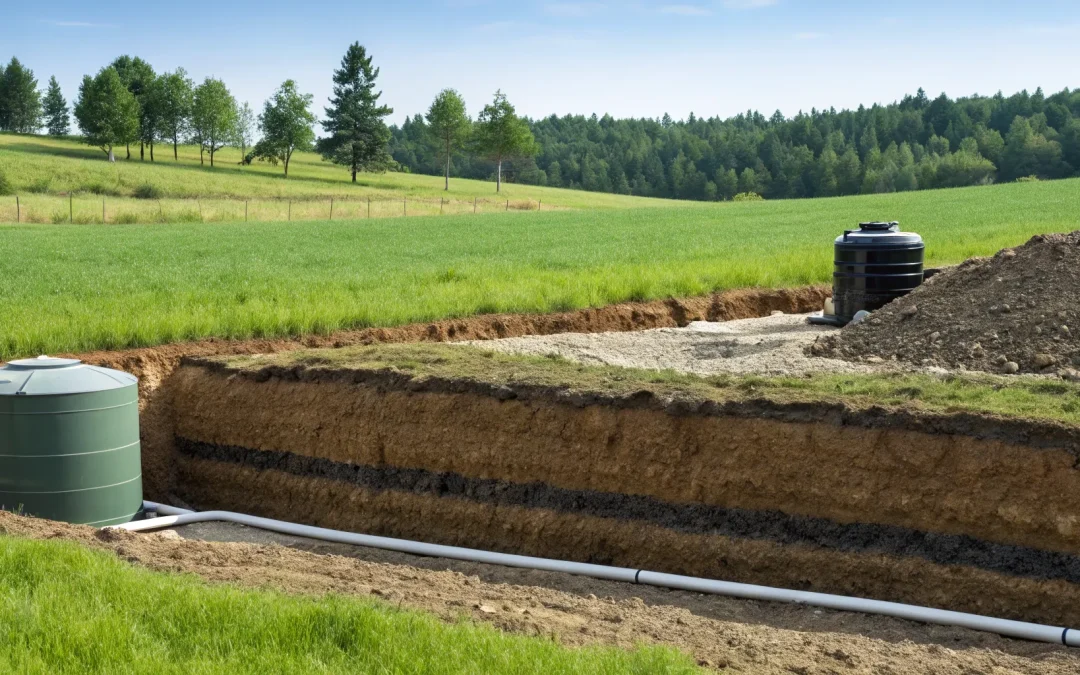
Get a Septic System Design That Saves You Time, Money & Headaches
Avoid rework, prevent delays, and get fully compliant septic plans engineered specifically for your property. Land Perc provides clear designs, accurate soil data, and smooth permitting so your project moves forward without surprises.
Start a New OrderBuilding in Florida means working with a unique and challenging environment. From high water tables along the coast to dense clay or sandy soils inland, our state’s geology demands more than a one-size-fits-all approach to septic design. A system that works perfectly in one county might be completely unsuitable in another. This is why a deep understanding of onsite wastewater treatment is essential for any successful construction project here. The fundamental question every builder needs to answer is, what are the 3 types of septic systems and how do they handle Florida’s specific conditions? This article breaks down the top three systems, explaining how each one is engineered to overcome specific site challenges.
Key Takeaways
- Match the System to Your Site’s Conditions: The soil, slope, and water table on your property are the deciding factors. A professional site evaluation is the essential first step to determine if a simple gravity system is an option or if you need a pressure or mound system for a more challenging lot.
- Balance Upfront Cost with Long-Term Maintenance: A conventional gravity system is the most affordable to install and maintain, but it’s not always an option. More complex pressure and mound systems cost more upfront and require electricity and regular pump inspections—a necessary trade-off to build on difficult properties.
- Invest in Professional Design to Ensure Success: Choosing the right system type is just the beginning. An expert design and permitting plan is crucial for a smooth installation, ensuring your project meets all Florida regulations and avoids expensive, preventable mistakes down the line.
What Are the 3 Main Types of Septic Systems?
When you’re building on a property without access to a municipal sewer, a septic system is your go-to for wastewater management. But it’s not a one-size-fits-all situation. The right system depends entirely on the unique conditions of your site—things like soil composition, property slope, and the local water table. Getting this choice right from the start is key to a smooth project and a reliable, long-lasting system. In Florida, we primarily work with three main types of septic systems: conventional gravity, pressure distribution, and mound systems. Each one is designed to work best under specific circumstances, so let’s break down what makes each one tick and where they shine.
Type 1: Conventional Gravity Systems
This is the classic, most common septic design, and for good reason. A conventional gravity system uses the natural slope of the land to pull wastewater from the septic tank into a subsurface drainfield. The drainfield itself is a series of trenches filled with gravel or other porous material, where the effluent slowly percolates into the soil for natural treatment. It’s a simple, effective, and often the most cost-effective option. This system works beautifully on sites with well-draining soil and enough of a gentle slope to let gravity do its job. According to the EPA, it’s one of the most widely used types of septic systems for single-family homes.
Type 2: Pressure Distribution Systems
What happens when your site is too flat for gravity to work effectively, or the soil is less than ideal? That’s where a pressure distribution system comes in. This design adds a pump and a control system to the mix. After leaving the septic tank, wastewater flows into a pump chamber. From there, the pump doses the effluent out to the drainfield in controlled, even amounts. This ensures the entire drainfield is used equally, which prevents overloading any single area and leads to better wastewater treatment. This system is a perfect solution for properties with only a few feet of suitable soil or for sites that require a more managed approach to effluent dispersal.
Type 3: Mound Systems
Mound systems are the heavy-hitters, designed for the most challenging properties. If you’re dealing with a high water table, shallow bedrock, or dense clay soil that just won’t absorb water, a mound system makes development possible. For this setup, we construct an engineered drainfield—a literal mound of specified sand—above the natural ground level. A pump sends wastewater from the tank up into the mound, where it’s treated as it filters down through the sand before reaching the native soil. While it’s a more complex and costly installation, it’s an incredibly effective solution for sites that couldn’t support any other type of system. If you think your project requires a specialized approach, you can start a new order with us to evaluate the site.
Type 1: Conventional Gravity Systems
When you picture a septic system, you’re probably thinking of a conventional gravity system. It’s the most common and straightforward type of onsite wastewater treatment system out there. True to its name, this system uses the natural force of gravity to move wastewater from your home, through the septic tank, and out into the drainfield for treatment. Because it has no mechanical parts like pumps, it’s a simple, reliable, and cost-effective solution—if your property has the right conditions. The beauty of a gravity system lies in its simplicity, but that simplicity depends entirely on a suitable site. It’s a classic for a reason, but it’s not a universal fit. Before you can even consider this option, a thorough site evaluation is essential to ensure the land can support it effectively. That’s where a professional septic system design comes in, guaranteeing that the system you choose is the system that will last. This initial investment in expert analysis prevents costly failures down the road and ensures your project stays on schedule and within budget. For builders and installers, getting this right from the start is key to a successful build and a happy homeowner. It all begins with understanding the land and matching it with the right technology.
How a Gravity System Works
The process is beautifully simple. First, all wastewater from the house flows into a buried, watertight septic tank. Inside the tank, the magic happens: heavy solids settle to the bottom to form a layer of sludge, while lighter fats, oils, and grease float to the top, creating a layer of scum. Naturally occurring bacteria get to work breaking down the organic solids in the sludge. The relatively clear liquid layer in the middle, called effluent, then flows out of the tank and into a drainfield. The drainfield is a series of perforated pipes laid in gravel-filled trenches. Gravity gently pulls the effluent through the pipes, allowing it to seep into the surrounding soil. The soil acts as a natural filter, removing harmful bacteria and pathogens before the treated water eventually returns to the groundwater. The EPA offers a great overview of how these components function together.
Ideal Site Conditions
A conventional gravity system is picky about where it lives. For it to work correctly, your property needs to check a few important boxes. The most critical factor is the soil. It needs to have the right texture and permeability to absorb and treat effluent effectively—not too sandy and not too dense with clay. This is why professional soil and percolation testing is the non-negotiable first step in any septic design project. Your lot also needs to have enough space for both the tank and a sufficiently large drainfield, with appropriate setbacks from wells, buildings, and property lines. A gentle slope is also ideal, as it helps gravity do its job. Properties that are flat, steeply sloped, have a high water table, or have shallow bedrock are typically not good candidates.
Pros and Cons
Like any system, a gravity-fed design has its own set of advantages and disadvantages that you’ll want to weigh for your project. On the plus side, these systems are highly reliable and have a long lifespan because they have no moving parts to break down. This also makes them the most affordable option to install and maintain, as there are no electricity costs or expensive pumps to replace. The main drawback is their complete dependence on ideal site conditions. If your property has poor soil, limited space, or a high water table, this system is simply not an option. The large footprint required for the drainfield can also be a major constraint on smaller lots. Failure is also a risk if the soil becomes compacted or oversaturated, which can lead to costly repairs.
Type 2: Pressure Distribution Systems
When a gravity system isn’t a good fit for your site, a pressure distribution system is often the next best solution. Instead of relying on gravity, this system uses a pump to ensure wastewater, or effluent, is distributed evenly throughout the drainfield. This approach offers more control and is a fantastic problem-solver for properties with tricky soil conditions or challenging layouts. It’s a step up in mechanical complexity, but it opens up building possibilities on lots that can’t support a conventional system. For builders and developers, understanding this system is key to maximizing land use, especially on less-than-perfect sites.
How a Pressure Distribution System Works
Think of a pressure distribution system as a more active version of the gravity-fed model. After wastewater leaves the septic tank and solids settle out, the liquid effluent flows into a second compartment or a separate tank called a pump tank. Inside this tank, a pump is triggered by a float switch, similar to a sump pump. Once the effluent reaches a certain level, the pump kicks on and pushes a specific dose of water through a series of small-diameter pipes into the drainfield. This network of pipes has precisely drilled holes, ensuring the effluent is sprayed evenly across the entire absorption area. This controlled, uniform dispersal is what makes the system so effective.
When to Choose This System
A pressure distribution system is your go-to when site conditions rule out a simple gravity setup. It’s the ideal choice when the drainfield area is located uphill from the septic tank or when you’re working with shallow soil. In Florida, where high water tables and sandy soils are common, this system is particularly useful. If your soil and percolation testing reveals only two to three feet of suitable soil, a pressure system can make the site workable. It allows for a more efficient treatment process in a smaller footprint by using the available soil to its maximum potential, adding wastewater in controlled, timed doses that prevent the drainfield from becoming oversaturated.
Pros and Cons
The biggest advantage of a pressure distribution system is its ability to overcome site limitations. It provides much better wastewater treatment because the entire drainfield is used evenly, which can extend the life of the system. Plus, it doesn’t require a large, raised mound of soil, making it more aesthetically pleasing and suitable for a wider range of landscapes. On the flip side, the main drawback is its reliance on mechanical parts and electricity. The pump requires power to run, which means it won’t function during an outage. It also introduces more maintenance needs and higher upfront septic system design and installation costs compared to a gravity system.
Type 3: Mound Systems
When you’re dealing with a tricky piece of land in Florida, a mound system can be the perfect solution. These systems are specifically engineered for properties where a conventional system just won’t work, often due to a high water table, shallow soil depth, or bedrock that’s too close to the surface. For builders and developers, this can be the difference between a viable project and a dead end. Instead of burying the drainfield, a mound system elevates it above the natural ground. This design creates the necessary separation between the wastewater and groundwater, ensuring effective treatment while protecting the local environment.
While they look different from other systems, mound systems are a reliable and common alternative for challenging sites across the state. They require careful planning and precise construction, making an expert septic system design absolutely critical to their long-term success and performance. Getting the elevation, sand fill specifications, and pump calculations right from the start prevents costly failures down the road. With the right professional approach, a mound system can turn an otherwise unbuildable lot into a valuable property, allowing you to move forward with your project confidently.
How a Mound System Works
Think of a mound system as a conventional system, but built on a raised platform. It starts with a septic tank that performs the initial separation of solids and liquids, just like any other system. From there, however, things change. Instead of relying on gravity, a pump chamber pushes the wastewater effluent up to the drainfield. This drainfield isn’t underground; it’s constructed within a specially prepared sand fill mound built on top of the natural soil. This engineered mound provides the ideal environment for wastewater to filter slowly and safely before it ever reaches the natural soil and groundwater below.
Best Applications for Mound Systems
Mound systems are the go-to choice when site conditions are less than ideal. If your property has only one or two feet of usable soil, a mound system can create the necessary depth for proper wastewater treatment. They are also essential in areas with high groundwater, a common challenge throughout Florida, as the raised design prevents the drainfield from becoming saturated. Similarly, if you’re building on a site with bedrock near the surface, a mound system provides the space needed for treatment that you simply don’t have underground. A detailed soil and percolation test is the first step to determine if these conditions apply to your property.
Pros and Cons
The biggest advantage of a mound system is that it makes development possible on properties that couldn’t support other types of septic systems. It’s an effective solution for tough spots with poor soil or high water levels. On the other hand, these systems have a few drawbacks to consider. They require a significant amount of space, which can be a constraint on smaller lots. The raised mound also creates a noticeable hill on the property, which can impact landscaping and overall aesthetics. Finally, because they involve more complex components like a pump and specialized construction, mound systems typically have a higher installation cost than conventional gravity-fed systems.
How to Choose the Right Septic System for Your Property
Choosing the right septic system isn’t just about meeting code—it’s about ensuring long-term performance and avoiding costly failures down the road. The ideal system for one Florida property might be completely wrong for another just a few miles away. The decision hinges on a careful analysis of your specific site, from the ground beneath your feet to the size of the home you’re building. By looking at the unique characteristics of your property, you can select a system that functions efficiently for decades. Let’s walk through the three main factors you need to consider to make the right choice.
Evaluate Your Site and Soil Conditions
The first step is always to look down. The soil on your property is the most critical component of a septic system, acting as a natural filter for wastewater. Different septic systems exist precisely because soil and water conditions vary so much between properties. Sandy soils drain quickly, while heavy clay soils can slow or prevent proper drainage. A professional soil analysis, or perc test, measures how quickly water is absorbed. This test determines whether a conventional system is feasible or if an alternative design is needed to ensure effective wastewater treatment and prevent environmental contamination. It’s the foundational piece of data for any successful septic design.
Consider Your Property Size and Household Needs
Next, you need to match the system to the home it will serve. The size of the septic system is directly tied to the property’s potential wastewater output. According to the EPA, the right system depends on factors like the number of people in the house and the size of the property. In Florida, system capacity is typically calculated based on the number of bedrooms, which provides a reliable estimate of maximum daily water usage. You also have to consider the physical space available. Smaller lots or properties with restrictive setbacks may not have enough room for a large, conventional drainfield, pushing you toward more compact and efficient alternative systems that can fit within the available footprint.
Account for Environmental Factors and Water Tables
Florida’s unique landscape presents specific challenges that must be addressed in your septic system design. A high water table, shallow bedrock, or proximity to wetlands and coastlines can make a site unsuitable for a standard gravity-fed system. In these situations, wastewater doesn’t have enough soil to pass through for proper filtration before reaching groundwater. This is where alternative systems, like mound systems or aerobic treatment units (ATUs), become necessary. These engineered solutions effectively treat wastewater above the natural soil, protecting sensitive environments and ensuring you meet all local health and environmental regulations. A thorough site evaluation is essential to identify these factors early and incorporate them into your septic system design.
Compare Maintenance Needs for Each System Type
A septic system is a long-term investment, and like any major component of a home, it needs regular care to function properly. While modern systems are designed for efficiency, they aren’t a “set it and forget it” solution. Understanding the specific maintenance needs for each type of system is key to ensuring its longevity and preventing costly failures. Passing this knowledge on to homeowners helps them protect their investment and gives them peace of mind. Here’s a breakdown of what to expect for each of the main system types.
Gravity System Maintenance
Conventional gravity systems are the most straightforward when it comes to upkeep. Their simplicity is one of their biggest advantages. The primary maintenance task is having the septic tank pumped every three to five years. This process removes the accumulated solids and sludge that naturally build up over time, preventing them from flowing into and clogging the drainfield. You can advise homeowners that the exact frequency depends on household size and water usage. Educating them on septic-safe practices, like avoiding harsh chemicals and grease, can also extend the time between pump-outs and keep the system healthy for years.
Pressure Distribution System Upkeep
Because pressure distribution systems use a pump to evenly dose the drainfield, their maintenance schedule is a bit more involved. In addition to regular tank pumping, the mechanical components require attention. The pump, control floats, and alarms should be inspected annually to ensure they are working correctly. These checks are critical because a malfunctioning pump can lead to an oversaturated or failed drainfield. While this adds a step to the maintenance routine, it’s a necessary trade-off for the system’s ability to work on properties with challenging soil or space constraints. It’s a small price to pay for a reliable, long-lasting system.
Mound System Care
Mound systems also rely on a pump and controls, so they share similar maintenance needs with pressure distribution systems, including annual inspections of mechanical parts. The mound itself, however, requires special care. It’s crucial to protect the structure of the sand mound to ensure it continues to treat wastewater effectively. Advise homeowners to avoid planting trees with deep roots on or near the mound, as they can damage the piping. It’s also important to prevent compaction by keeping heavy equipment, like cars or lawnmowers, off the area. Regular visual checks can help catch any issues like erosion or soggy spots early.
Spot the Warning Signs of System Failure
No matter the system type, knowing the early warning signs of failure can prevent a small issue from becoming a major disaster. Educate your clients to be on the lookout for a few key red flags. A soggy yard or standing water over the drainfield, especially when it hasn’t rained, is a classic sign of trouble. Foul, sewage-like odors around the tank or drainfield are another clear indicator. Inside the home, frequent backups or slow drains can also point to a problem with the system. If any of these signs appear, it’s time to call in a professional immediately for an inspection.
Break Down the Costs of Different Septic Systems
Choosing a septic system is a significant investment, and the price tag goes far beyond the initial installation. For builders and installers, clearly communicating the full financial picture is key to setting realistic expectations with clients. To make the right call for any project, you need to look at the complete story, including upfront costs, routine maintenance, and the system’s expected lifespan. Each type of system comes with a different set of numbers, and understanding them helps you plan your budget accurately and avoid surprises down the road. The “cheapest” option isn’t always the most cost-effective over 20 or 30 years. Let’s walk through the costs associated with the most common septic systems so you can compare them effectively and guide your clients toward the best long-term solution for their property.
Compare Installation Costs
The initial installation cost is often the first number everyone looks at, and it varies widely depending on the system’s complexity. A conventional gravity septic system is typically the most budget-friendly option, with installation costs usually falling between $3,000 and $7,000. This system is simpler and works well on properties with ideal soil and slope, making it a straightforward choice when site conditions permit.
On the other hand, more advanced systems required for challenging sites come with a higher price. Both Aerobic Treatment Units (ATUs) and mound systems can cost anywhere from $10,000 to $20,000 to install. These types of septic systems require more extensive excavation, specialized components like pumps and aerators, and more complex designs, which all contribute to the higher upfront investment.
Factor in Operating and Maintenance Costs
Once a system is in the ground, its long-term value depends heavily on operating and maintenance costs. A conventional system is fairly low-maintenance, generally only needing its tank pumped every three to five years to remove accumulated solids. This straightforward routine keeps ongoing costs predictable and manageable for homeowners.
In contrast, ATUs require more hands-on attention. Because they use mechanical components like aerators to treat wastewater, they need more frequent servicing to ensure everything is working correctly, which leads to higher annual maintenance costs. Similarly, mound systems rely on pumps and intricate piping that must be checked regularly to prevent clogs and ensure proper distribution. Proper septic system maintenance is key to protecting the investment and ensuring performance.
Weigh System Lifespan and Long-Term Value
A septic system is built to last, but its lifespan can influence its overall value. Both conventional systems and ATUs generally have a long service life, typically lasting between 20 and 40 years with proper care. This makes them a durable, long-term solution for wastewater treatment when they are installed correctly and maintained well.
Mound systems tend to have a slightly shorter lifespan, averaging around 20 to 30 years. While still a significant amount of time, it’s an important factor to consider when weighing the high initial installation cost. Ultimately, the best long-term value comes from choosing the system that is perfectly suited to your property’s specific conditions. A correctly designed and installed system is far more likely to reach its maximum expected lifespan, providing reliable service for decades.
Ensure a Smooth Project with Professional Design and Permitting
Choosing the right type of septic system is a huge step, but it’s only part of the process. The next phase—design and permitting—is where your project’s success is truly decided. This is where technical details meet regulatory requirements, and getting it right from the start is crucial for the system’s long-term performance and the health of the surrounding environment. For builders and installers, a flawed design or a delayed permit can bring a project to a grinding halt, leading to blown budgets and frustrated clients.
A professional design is your project’s roadmap. It ensures that every component is correctly sized, placed, and specified for the unique conditions of your site. This detailed planning prevents costly surprises during excavation, like hitting an unexpected water table or discovering the soil can’t support the planned system. By working with an experienced team, you transform a potentially complicated process into a streamlined and predictable part of your build. This isn’t just about following rules; it’s about setting your project up for success with a reliable wastewater solution that will last for decades. By focusing on expert septic system design, you can prevent common setbacks and build with confidence.
Why Professional Design is Non-Negotiable
A septic system is far more than just a tank and a drainfield; it’s a custom-engineered solution tailored to a specific piece of land. Professional design is non-negotiable because every site has unique characteristics—soil composition, slope, water table depth, and proximity to wells or water bodies—that dictate which system will function correctly. A licensed professional analyzes these factors to create a blueprint that is both efficient and compliant.
In Florida, septic systems are regulated to protect public health and the state’s precious water resources. This means any new installation or major modification must be handled by qualified experts who understand the specific codes. An off-the-shelf plan simply won’t work. A professional design ensures your system can handle the property’s expected wastewater load and will treat effluent effectively before it re-enters the ecosystem.
Meet Florida’s Permitting Requirements
Before any digging can begin, you need the right permits. This process is a critical checkpoint to ensure your septic system design meets all current state and local standards. Obtaining the necessary permits isn’t just about compliance; it’s about demonstrating a commitment to protecting local water quality and public health. The regulations are in place for a reason, and adhering to them is a fundamental part of responsible building.
Navigating the permitting process can be a challenge, as requirements can vary between counties. An experienced design firm handles this for you, preparing and submitting all necessary documentation to the health department. This expertise helps you avoid common application errors that can lead to significant project delays. When you’re ready to get started, you can submit your project details to a team that knows exactly how to manage the paperwork efficiently.
Avoid These Common Installation Mistakes
Many septic system failures can be traced back to mistakes made before the installation even begins. One of the most frequent errors is failing to properly evaluate the soil conditions. Without a thorough soil analysis, you might install a system that is completely wrong for the site, leading to premature failure. Another common misstep is underestimating the property’s future needs, such as planning for a three-bedroom house when a five-bedroom is eventually built.
These issues are entirely preventable with proper planning. A professional design process starts with a comprehensive site evaluation to match the system to the land and its intended use. This foresight helps you avoid incorrect system placement, undersized drainfields, and other critical errors that can be incredibly expensive to fix later. Investing in expert planning from day one is the single best way to ensure a smooth installation and a long-lasting, trouble-free septic system.
Related Articles
- 5 Questions Every Florida Builder Should Ask Before Hiring a Septic System Designer
- Septic System Design & Perc Testing | Land Perc Services
- Septic System Design FAQs | Land Perc Florida
- Septic System Insights & Tips | Land Perc Blog
- Do I Need a Permit for a Septic System in Florida?
Frequently Asked Questions
How do I know for sure which septic system my property needs? The land itself will give you the answer. The right system isn’t a matter of preference; it’s determined by a professional site evaluation. This process involves soil and percolation testing to measure how the ground absorbs water, identifies the depth of the water table, and maps the property’s slope. These results point directly to the specific type of system that will function safely and effectively on your lot for the long haul.
Can I install a cheaper gravity system even if my site conditions aren’t ideal? It’s tempting to look for upfront savings, but forcing a system onto a site that can’t support it will only lead to bigger problems. A conventional system installed in poor soil or on a lot with a high water table will eventually fail, causing backups and environmental issues. The cost to repair or completely replace a failed system is significantly higher than the initial savings, making it a poor investment that creates major project delays.
What’s the most common reason a septic permit gets delayed in Florida? Permit delays are most often caused by incomplete or inaccurate design plans. Each county’s health department has specific requirements, and if the submitted documents are missing information, contain incorrect calculations, or don’t meet local codes, the application gets rejected. Working with a design professional who knows these regulations ensures the paperwork is right the first time, which is the best way to keep your project moving forward without interruption.
How much space does each type of septic system actually require? The footprint can vary quite a bit. A conventional gravity system typically takes up the most room because the drainfield trenches need to be spread out over a large area. Pressure distribution systems can sometimes be more compact since they distribute effluent more efficiently. A mound system also has a large footprint because it involves building a raised sand bed on the property. The exact dimensions for any system are calculated during the design phase based on the home’s size and the soil’s specific characteristics.
What happens if the pump fails in a pressure or mound system? These systems are built with a crucial safeguard for this exact situation. They include a high-water alarm in the pump tank that sounds if the pump malfunctions and the wastewater level gets too high. This alarm gives the homeowner an immediate warning to reduce water use and call for service before any backups occur. It’s a key reason why annual inspections of the system’s mechanical parts are so important.