
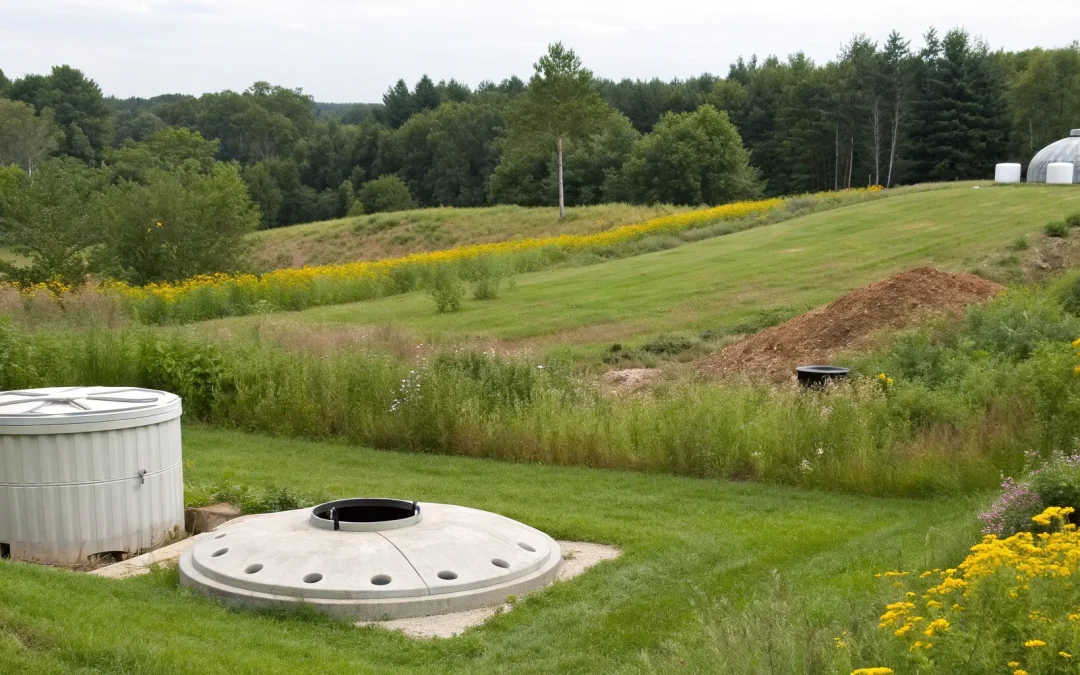
Get a Septic System Design That Saves You Time, Money & Headaches
Avoid rework, prevent delays, and get fully compliant septic plans engineered specifically for your property. Land Perc provides clear designs, accurate soil data, and smooth permitting so your project moves forward without surprises.
Start a New OrderBefore you can even think about a septic tank or drainfield, you have to understand the land itself. The soil composition, water table depth, and property layout are the true decision-makers in any septic system design. You don’t choose a system and force it to fit the site; you let the site tell you which system is required. This is why a professional site evaluation is the non-negotiable first step of any project. The data from that evaluation provides the answer to the most critical question: what are the 3 types of septic systems with pictures that are actually viable for this specific piece of land? We’ll explore how these site conditions directly point to one system over another, ensuring you get the design right the first time.
Key Takeaways
- Site Conditions Dictate the System: Your property’s unique soil type, water table, and lot size are the deciding factors. A professional site evaluation is the only way to determine if a conventional, ATU, or mound system is the correct and compliant choice.
- A Professional Design Prevents Costly Problems: Working with an expert ensures your system is tailored to your site’s specific needs, meets all of Florida’s complex regulations, and helps you avoid expensive failures or permitting delays down the road.
- View the System as a Long-Term Investment: Choosing a septic system based on price alone often leads to premature failure and expensive repairs. The right system for your site, while potentially more costly upfront, protects the property’s value and ensures reliable performance for decades.
What Are the 3 Main Types of Septic Systems?
When you’re planning a new construction project, the septic system might not be the most glamorous detail, but it’s one of the most critical. Choosing the right system ensures long-term performance and compliance with Florida’s environmental codes. The best fit for your property depends entirely on site-specific conditions like soil type, lot size, and groundwater levels. A professional septic system design is essential to get it right from the start.
Let’s walk through the three main types of septic systems you’ll encounter. Understanding the fundamentals of each will help you have a more productive conversation with your designer and installer, ensuring you select a system that’s efficient, reliable, and perfectly suited for your build site.
Conventional Systems
This is the system most people picture when they think of septic. Conventional systems are the most common and straightforward type, relying on gravity to treat wastewater. It all starts when water from the home flows into a buried, waterproof septic tank. Inside, heavy solids sink to the bottom as sludge, while lighter materials like grease float to the top, forming a scum layer. The liquid wastewater, or effluent, then flows out of the tank and into a series of underground perforated pipes in a drainfield. From there, the water slowly filters through the soil, which naturally removes harmful bacteria before it reaches the groundwater.
Aerobic Treatment Units (ATUs)
Think of an Aerobic Treatment Unit, or ATU, as a scaled-down version of a municipal sewage plant. This system introduces oxygen into the treatment process, which is a game-changer. Inside the ATU, an aerator pumps air into the wastewater, encouraging the growth of oxygen-loving (aerobic) bacteria. These bacteria are much more efficient at breaking down solids and contaminants than the bacteria in a conventional system. The result is a higher quality effluent that can be safely discharged in areas with poor soil, high water tables, or smaller lot sizes where a traditional drainfield isn’t feasible. They are a fantastic solution for environmentally sensitive locations.
Mound Systems
What happens when the soil on your property is too shallow, too dense with clay, or the groundwater is too close to the surface for a conventional drainfield? That’s where a mound system comes in. This is an alternative system where the drainfield is built above ground in a specially constructed sand mound. Wastewater is first treated in a septic tank and then pumped in controlled doses into the mound. The sand acts as a filter, treating the effluent as it trickles down through the layers before it safely reaches the natural soil. While they require more space and a more complex design, mound systems make development possible on challenging sites.
How Does Each Septic System Work?
Understanding how each septic system operates is key to selecting the right one for a specific property. While they all treat wastewater, their methods differ based on the technology they use and the site conditions they’re designed for. From the straightforward process of a conventional system to the advanced treatment in an ATU, the mechanics determine everything from installation to long-term maintenance. Let’s break down how each of these three common systems functions.
The Conventional System Process
Conventional systems are the workhorses of the septic world and operate on a simple, effective principle. All wastewater from the home first flows into a septic tank. Inside, heavy solids settle to the bottom to form sludge, while lighter materials like grease float to the top as scum. This initial separation allows the liquid wastewater, or effluent, to flow out into a series of underground perforated pipes in a drainfield. From there, the effluent slowly seeps into the surrounding soil, which acts as a natural filter to treat the water. This process can be driven by gravity or assisted by a pump, depending on the site’s topography. A proper septic system design ensures the tank and drainfield are sized correctly for the home.
How an Aerobic Treatment Unit Functions
Think of an Aerobic Treatment Unit (ATU) as a miniature wastewater treatment plant for a single property. Unlike conventional systems that are anaerobic (oxygen-free), an ATU actively pumps oxygen into its treatment tank. This creates the perfect environment for aerobic bacteria to thrive. These oxygen-loving bacteria are much more efficient at breaking down organic solids and contaminants in the wastewater. The result is a higher quality, cleaner effluent before it’s discharged into the drainfield. This advanced treatment makes ATUs an excellent choice for properties with small lots, poor soil, or those near sensitive water bodies, as detailed by the US EPA. They provide an extra layer of protection for the local environment.
The Mound System Operation
When a site’s natural soil isn’t suitable for a conventional drainfield—perhaps due to high groundwater, shallow bedrock, or dense clay—a mound system provides an engineered solution. This system works by creating an above-ground drainfield. First, a specially prepared sand fill material is used to construct a raised mound. Wastewater from the septic tank is collected in a separate pump chamber and then pumped in controlled doses to a network of pipes within the mound. The wastewater trickles down through the sand, which treats the effluent before it reaches the native soil. This process ensures proper treatment even when site conditions are challenging. A thorough site evaluation is the first step to determine if a mound system is necessary for your project.
What Determines Your Septic System Needs?
Choosing the right septic system isn’t a one-size-fits-all decision. It’s more like solving a puzzle unique to each property. Several critical factors come together to determine which system will function efficiently and reliably for years to come. Getting this right from the start saves you from costly headaches and ensures you meet all local codes. From the ground beneath your feet to the size of your lot, every detail matters in designing a system that’s built to last.
Soil Type and Percolation Rate
The first and most important piece of the puzzle is your soil. The type of soil on your property dictates how quickly wastewater can be absorbed and filtered. This is measured by a “percolation test,” which tells us how fast water drains through the ground. Sandy soils, for example, drain quickly, while heavy clay soils are much slower. This rate is a make-or-break factor for the system’s design. An accurate soil and percolation test is the essential first step in determining whether a conventional system is feasible or if an alternative design is required to ensure proper wastewater treatment.
Property Size and Layout
How much space are you working with? The size and shape of your property play a huge role in septic system selection. Conventional systems, with their large drainfields, require a significant amount of open, usable land. If you’re building on a smaller lot, a property with steep slopes, or a site with existing structures and wells, a conventional system might not fit. In these cases, more compact designs like Aerobic Treatment Units become a practical solution. A custom septic system design considers the specific layout and constraints of your property to maximize space while ensuring full compliance and functionality.
Groundwater Levels
In Florida, we’re no strangers to high water tables. The depth from the ground surface to the groundwater is a critical consideration for any septic system. If the water table is too high, a conventional drainfield won’t have enough dry soil to properly treat wastewater before it reaches the groundwater, posing a serious environmental and health risk. When site conditions show high groundwater, shallow soil, or bedrock near the surface, specialized systems like mound systems are often required. These elevated systems provide the necessary separation and filtration to protect our state’s precious water resources.
Florida’s Local Regulations
Finally, every septic system installed in Florida must meet strict state and local health department regulations. These rules are designed to protect public health and the environment, and they vary from county to county. The regulations specify everything from minimum setback distances from wells and water bodies to the types of systems permitted in certain areas. Navigating these codes can be complex, which is why professional permitting and compliance services are so valuable. Working with an expert ensures your project meets all legal requirements, securing the necessary permits without delays.
Pros and Cons of Each Septic System
Choosing the right septic system involves weighing the benefits and drawbacks of each type against your specific site conditions and project budget. Every system has its ideal application, and understanding these differences is key to making a sound investment for your property. From the straightforward conventional system to more complex engineered solutions, let’s break down what you can expect from each of the three main types.
Conventional Systems: Pros and Cons
Conventional systems are the most common choice for a reason. They are often the most affordable option upfront, and gravity-fed versions have no moving parts, which means they operate silently and require little maintenance beyond regular tank pumping. This simplicity makes them a reliable workhorse for suitable properties.
However, their biggest drawback is their demanding site requirements. Conventional systems need a large, open area with good soil quality and a low water table to function correctly. If your site has poor soil, high groundwater, or limited space, this system is likely not a viable option. A complete replacement also involves significant excavation, which can be disruptive and costly.
ATUs: Pros and Cons
Think of an Aerobic Treatment Unit (ATU) as a miniature wastewater treatment plant for your property. By pumping oxygen into the tank, it creates an ideal environment for bacteria to break down waste far more effectively than in a conventional system. This results in a higher quality of treated wastewater, making ATUs perfect for properties with poor soil, high groundwater, or smaller lots. Their compact, hidden design is also a major plus.
The trade-off is higher complexity and cost. ATUs have a greater initial purchase price and require electricity to run their air pumps, which can sometimes be noisy. With more moving parts, there’s a higher chance of mechanical failure, and they require more frequent professional maintenance to ensure they are working properly.
Mound Systems: Pros and Cons
When a site has very shallow soil, a high water table, or bedrock near the surface, a mound system is often the only workable solution. These systems use a specially constructed sand mound to treat wastewater before it reaches the natural soil, effectively overcoming difficult site limitations. Once installed, their ongoing running costs are relatively low.
The most obvious con is the mound itself—it takes up a lot of space and creates a noticeable hill in the yard, which can be an aesthetic issue for some homeowners. Mound systems also rely on pumps to move effluent, which adds a point of potential failure. Furthermore, they require a massive amount of specialized sand, which is becoming increasingly expensive and difficult to source in some parts of Florida.
Comparing Septic System Costs
When you’re planning a new construction project, the budget is always top of mind. Septic system costs are a significant line item, and they go far beyond the price of the tank itself. To get a clear picture of the total investment, it’s helpful to break it down into three key areas: the initial installation, ongoing maintenance, and the long-term financial impact. While it’s tempting to focus solely on the upfront price tag, understanding the full lifecycle cost is crucial for building a reliable, long-lasting wastewater solution that won’t cause expensive headaches for you or the future homeowner. A well-designed system is an asset to the property, and getting it right from the start is the most cost-effective approach. Let’s look at what you can expect in each of these cost categories.
Initial Installation Costs
The upfront cost to install a septic system can vary widely depending on the type of system your site requires. A conventional septic system is often the most budget-friendly, typically running between $3,000 and $8,000. However, many properties in Florida have soil or groundwater conditions that won’t support a conventional setup. In these cases, you might need a more advanced system like an Aerobic Treatment Unit (ATU) or a mound system, which can push the installation cost anywhere from $10,000 to over $20,000. This price includes not just the equipment but also the crucial steps of soil testing, system design, permitting and compliance, and labor.
Ongoing Maintenance Expenses
Once the system is in the ground, the costs don’t stop. Every septic system requires regular maintenance to function properly. For conventional systems, this usually means having the tank pumped every three to five years. Aerobic Treatment Units, with their mechanical aerators and pumps, need more frequent attention and often require an annual service contract to keep them in good working order. While these ongoing expenses are predictable, unexpected repairs can pop up, especially if the initial design wasn’t perfectly matched to the site. Investing in a professional, custom septic system design from the beginning is one of the best ways to minimize surprise repair bills later on.
Long-Term Financial Impact
The true cost of a septic system becomes clear over its entire lifespan. Choosing the wrong system for your property’s specific soil and site conditions can be an incredibly expensive mistake to fix. A system that’s undersized or mismatched to the soil can fail prematurely, leading to drainfield saturation, sewage backups, and costly remediation work. This is why the long-term financial picture is so important. The cheapest system upfront is rarely the most economical choice if it fails in ten years. By prioritizing a thorough site evaluation and a precise design, you’re not just installing a septic system; you’re protecting the property’s value and ensuring its wastewater is managed effectively for decades.
What Maintenance Does Each System Require?
Every septic system is a long-term investment, and like any important asset, it needs regular care to perform correctly. The maintenance routine isn’t one-size-fits-all; it depends entirely on the type of system you install. Understanding these requirements from the start helps you plan for future costs and prevent premature failures. A well-maintained system protects the property owner’s investment and the local environment. Let’s break down the typical upkeep for the three main types of septic systems you’ll encounter in Florida.
Maintaining a Conventional System
Conventional systems are the most straightforward when it comes to maintenance, but they can’t be ignored. The most critical task is having the septic tank pumped every three to five years to remove accumulated solids that could clog the drainfield. The exact frequency depends on tank size and household water usage. Beyond pumping, watch for warning signs like slow drains, gurgling pipes, or soggy spots over the drainfield. These are clues that your system needs attention before a major problem develops. Proper care ensures these types of septic systems last for decades.
Servicing an Aerobic Treatment Unit
Aerobic Treatment Units are more complex, so their maintenance schedule is more involved. Think of an ATU as a small-scale wastewater treatment plant on the property. Because they rely on electrical components like air pumps, they require professional servicing one or two times a year. A certified technician will inspect the system, check the components, and ensure everything is working correctly. While this adds to the ongoing cost, this regular attention is essential for the system’s performance and longevity. Proper septic system design accounts for easy access for these routine check-ups.
Upkeep for a Mound System
Mound systems have unique maintenance needs centered on protecting the mound and its mechanical parts. The system’s pump, which sends effluent to the mound, needs regular inspection to function correctly. The mound itself is the most critical component. It’s vital to prevent soil compaction by keeping heavy vehicles off the area. You should also manage vegetation on the mound—mow it regularly but avoid deep-rooted trees or shrubs that could damage the system. These simple steps protect the system’s ability to treat wastewater effectively and prevent premature failure.
Matching a Septic System to Your Soil Type
The success of any septic system hinges on one crucial element: the soil. In Florida, our ground can vary dramatically from one county to the next, ranging from porous sand to dense clay. This is why a one-size-fits-all approach to septic design simply doesn’t work. The type of soil on your property directly determines which system will effectively treat wastewater and which will fail, leading to costly repairs and environmental issues down the road.
Think of the soil as the final, and most important, stage of the treatment process. If it can’t properly absorb and filter the effluent from the septic tank, the entire system breaks down. That’s why the first step in any project is a professional soil and percolation test. This evaluation gives us the hard data needed to understand the soil’s composition, absorption rate, and the depth to the water table. With this information, we can design a system that is not only compliant with local health codes but is also perfectly tailored to the unique conditions of your site, ensuring long-term performance and peace of mind.
Best Systems for Sandy Soil
If your site evaluation reveals sandy soil, you’re in a great position. Sandy soils are ideal for septic systems because their large particles create plenty of space for water to pass through. This excellent drainage allows for effective filtration and absorption of wastewater. For properties with this soil type, a conventional septic system is usually the most practical and cost-effective solution. The sand acts as a natural filter, cleaning the effluent as it slowly percolates down through the drainfield and safely re-enters the groundwater system. It’s a straightforward, reliable design that works in harmony with the natural environment.
Solutions for Clay Soil
Clay soil presents a significant challenge for septic systems. Unlike sand, clay particles are tiny and tightly packed, which means they retain water instead of letting it drain. A conventional drainfield in clay soil will quickly become saturated, causing wastewater to pool on the surface or back up into the home—a clear system failure. For these sites, an advanced secondary treatment system, like an Aerobic Treatment Unit (ATU), is often required. An ATU introduces oxygen into the wastewater, allowing beneficial bacteria to treat it to a much higher standard before it’s released into the dense, slow-draining soil of the drainfield.
Options for Rocky or Shallow Soil
What happens when there isn’t enough suitable soil to begin with? This is a common issue on sites with shallow soil depth, a high water table, or bedrock close to the surface. In these scenarios, there simply isn’t enough vertical separation for a conventional system to safely treat wastewater. The go-to solution is a mound system. This is essentially an engineered drainfield built above the natural ground surface. A carefully constructed sand mound provides the necessary filtration medium, allowing the effluent to be treated properly before it ever reaches the limiting layer of rock or groundwater below.
How to Choose the Right Septic System in Florida
Making the right choice for a septic system in Florida isn’t just about picking a tank; it’s about designing a long-term wastewater solution that works with the unique soil, water levels, and regulations of your specific property. A system that’s perfect for a sandy lot in the Panhandle might be completely wrong for a property with a high water table near the coast. Getting it right from the start saves you from costly repairs, compliance headaches, and potential environmental issues down the road. The process can feel complex, but it boils down to a few key steps: evaluating your site, working with an expert, and handling the paperwork correctly. By following a clear, professional process, you can ensure your septic system is efficient, compliant, and built to last.
Start with a Professional Site Evaluation
Before any decisions are made, the very first step is a professional site evaluation. This isn’t just a suggestion—it’s a critical diagnostic that determines what’s possible on your property. A thorough evaluation involves more than just a quick look at the land. An expert will conduct soil and percolation tests to understand how quickly water drains, identify the location of the water table, and assess the overall topography. This process identifies the most suitable area for a septic system and its drain field. Think of it as creating the blueprint for your project; without it, you’re building blind. This initial step provides the essential data needed to design a system that functions correctly and meets all health codes.
Work with a Certified Designer
Once you have your site data, it’s time to bring in a certified designer. While it might be tempting to use a one-size-fits-all plan, a professional designer creates a system tailored to your property’s unique conditions and your specific needs. They use the information from the site evaluation to select the right type of system—whether it’s conventional, an ATU, or a mound system—and design it to perform optimally. A designer ensures the system not only works efficiently but also complies with Florida’s stringent local and state regulations. Working with an experienced team like Land Perc means you have an expert guiding these complexities, ensuring your project is approved without delays.
Understand the Permitting Process
Navigating the permitting process is a crucial part of any septic system installation. Every county in Florida has its own set of requirements, and getting the right permits from the local health department is non-negotiable. This process ensures that your system is installed correctly and meets all health and safety standards, protecting both your investment and the local environment. An experienced partner can manage this entire process for you, from submitting the initial application with the system design to coordinating final inspections. When you’re ready to get started, you can initiate a new project to ensure all your paperwork is handled accurately and efficiently, keeping your project on schedule.
Common Mistakes to Avoid When Choosing a Septic System
Choosing the right septic system is a critical decision that impacts a property’s long-term health and value. While it might seem straightforward, a few common missteps can lead to system failure, costly repairs, and significant project delays. As a builder or installer, your reputation depends on getting it right the first time. By understanding these potential pitfalls, you can ensure a smooth process from design to installation, resulting in a reliable system that stands the test of time. Let’s walk through the three biggest mistakes we see and how you can steer clear of them.
Mistake #1: Skipping the Site Evaluation
Think of the site evaluation as the foundation of your entire septic system project. Skipping or rushing this step is like building a house without checking the ground it stands on. A thorough site evaluation involves much more than just a quick look at the property. It requires professional soil and percolation testing to determine how quickly water drains, identifying the location of the water table, and assessing the overall topography. These factors dictate not only if a septic system is viable but also what type of system will function correctly. An expert will identify the usable area for the system, ensuring it’s placed correctly for effective and long-lasting performance.
Mistake #2: Ignoring Local Regulations
Florida’s septic system regulations can feel like a maze, with rules often varying from one county to the next. A common mistake is assuming a one-size-fits-all approach or overlooking a specific local requirement. Every septic system installation requires proper permits from the local health department, and failing to secure them can bring your project to a grinding halt. These regulations are in place to protect public health and the environment. Working with a designer who has deep experience with Florida’s permitting process is essential. They ensure your design meets all current codes, handle the paperwork correctly, and help you avoid fines or the need for a complete system redesign.
Mistake #3: Choosing Based on Price Alone
It’s always tempting to go with the lowest bid, but when it comes to septic systems, the cheapest option upfront can become the most expensive one in the long run. The initial price tag doesn’t account for the site’s specific needs. For example, a property with poor soil or a high water table might require a more complex and costly alternative system to function properly. Opting for a basic system in the wrong conditions will almost certainly lead to premature failure and expensive repairs. Instead, view the septic system as a long-term investment. A custom septic system design tailored to your site ensures efficiency and durability, saving you money and headaches for years to come.
Related Articles
- 6 Septic System Types and Costs Explained
- What Are the 3 Types of Septic Systems?
- Septic System Cost Estimate: A Complete Breakdown
Frequently Asked Questions
How long can I expect a new septic system to last? A well-designed and properly installed septic system should last for decades, often between 20 and 40 years. However, this lifespan isn’t guaranteed. The key factors that determine its longevity are a professional design tailored to the site’s specific soil and water conditions, a quality installation, and consistent maintenance from the property owner. A system chosen correctly from the start is a long-term asset, not a short-term fix.
Can I just choose a conventional system to save on initial costs? While it’s tempting to default to the most affordable option, this approach can lead to very expensive problems. The type of septic system required isn’t a personal choice; it’s dictated by the property’s soil type, groundwater level, and size. Forcing a conventional system onto a site that can’t support it will almost certainly result in premature failure, sewage backups, and costly remediation that far exceeds the initial savings.
Why is a separate professional design necessary if my installer is experienced? An experienced installer is an expert in the physical construction of the system, but a certified designer is an expert in the engineering behind it. The designer’s role is to analyze the data from the site evaluation and create a precise plan that ensures the system functions correctly with the unique soil and water conditions while meeting all state and local health codes. This professional design is the blueprint that guarantees compliance and long-term performance.
What happens if the site evaluation shows poor soil or a high water table? This is a very common situation in Florida and it doesn’t mean the property is unbuildable. It simply means a conventional system isn’t the right solution. The results of the site evaluation will point us toward an alternative system, like an Aerobic Treatment Unit or a mound system, that is specifically engineered to overcome these challenges and ensure wastewater is treated effectively and safely.
How much space is actually needed for a septic system and drainfield? There isn’t one standard answer, as the required space depends on several factors. The system type plays the biggest role—conventional systems require the most land, while ATUs are more compact. The size of the home or building also matters, as it determines the necessary tank and drainfield capacity. Finally, local regulations dictate minimum setback distances from wells, property lines, and water bodies, which further influences the layout.