
Get a Septic System Design That Saves You Time, Money & Headaches
Avoid rework, prevent delays, and get fully compliant septic plans engineered specifically for your property. Land Perc provides clear designs, accurate soil data, and smooth permitting so your project moves forward without surprises.
Start a New OrderLet’s talk about the bottom line. It’s true that an advanced septic system has a higher upfront cost than a conventional one, and that can cause hesitation. However, viewing it purely as an expense misses the bigger picture. The real value of an advanced septic design is its function as a problem-solver and a long-term investment. It unlocks the potential of otherwise unbuildable lots, prevents the enormous future costs of a failed drainfield, and ensures compliance with environmental laws, protecting you from fines. When you factor in the reliability and longevity, the initial investment secures the project’s success and adds lasting value to the property.
Key Takeaways
- Advanced systems make difficult lots buildable: When faced with poor soil, a high water table, or a small property, an advanced design is often the only way to meet code and move forward with construction.
- Ensure compliance from the start: Advanced systems provide a much higher level of wastewater treatment, helping you meet Florida’s strict environmental codes, especially near sensitive water bodies, and avoid permitting delays.
- The upfront cost is an investment in reliability: While more expensive initially, a professionally designed advanced system prevents the future costs and headaches of a failing drainfield, protecting your reputation and the homeowner’s property.
Advanced vs. Traditional Septic: What’s the Difference?
When you’re planning a new build, the septic system might seem like a standard line item, but the choice between a traditional and an advanced system can make or break a project. While both are designed to treat wastewater, they operate on fundamentally different principles. A traditional system is a passive, anaerobic process that relies heavily on the soil in the drainfield to filter effluent. It’s a straightforward solution that has worked for decades on sites with ideal conditions.
Advanced septic systems, on the other hand, are active treatment plants in miniature. They introduce oxygen into the treatment process, creating an aerobic environment that allows beneficial bacteria to break down waste much more effectively. This results in a higher quality of treated water before it even reaches the drainfield. For builders in Florida, where soil conditions can be tricky and environmental regulations are strict, understanding this distinction is key. An advanced system isn’t just an upgrade; it’s often the only viable solution for challenging sites, ensuring both compliance and long-term performance. Our septic system design services are tailored to help you make the right choice from the start.
Limitations of Traditional Septic Systems
Traditional septic systems work well under perfect conditions, but many Florida properties are far from perfect. One of the biggest drawbacks is their limited ability to remove nitrogen. Standard systems can allow nitrogen to seep into the ground, which often pollutes local water sources like aquifers, springs, and coastal estuaries. This is a major concern for environmental regulators. Furthermore, many common septic failures originate from avoidable mistakes during the design phase, from an inaccurate site assessment to a layout that doesn’t meet code. Because improper installation can lead to significant environmental damage and public health risks, these systems are highly regulated, and a flawed design can lead to costly delays and denials.
Innovations in Advanced Septic Systems
This is where modern septic technology changes the game. Advanced systems are engineered to be smarter, cleaner, and more efficient. They often integrate features like automation and remote monitoring, which provide real-time data to improve performance and reduce the risk of failure. Instead of relying solely on soil for treatment, these systems use innovative components like biofilm reactors and membrane bioreactors to revolutionize wastewater treatment. This technology allows for a much higher level of purification, turning what was once a simple tank and drainfield into a sophisticated, self-contained treatment facility. These modern septic innovations are transforming how we manage wastewater on-site.
When is an Advanced System Necessary?
So, when is an advanced system not just a nice-to-have, but a must-have? The need is often dictated by the site itself. If you’re building near a sensitive environmental area, like a coastline or spring, an advanced system is typically required to provide a higher level of treatment. The same is true for properties with site constraints. If a lot is small, has poor soil quality, or a high water table, new regulations might make it impossible to install a conventional system. Advanced systems are designed to work in smaller spaces and overcome these challenges. Ultimately, the decision often comes down to local health department rules, which may mandate an advanced septic system based on specific environmental or water conditions in the area.
Inside an Advanced Septic System: Key Technologies
Advanced septic systems aren’t just a single piece of equipment; they’re a combination of innovative technologies working together to treat wastewater more effectively. Think of them as a high-performance engine for waste management, designed to handle tough site conditions and meet strict environmental standards. While the specific components can vary, most advanced systems rely on a few key pieces of tech to get the job done. Understanding how these parts work will help you see why they’re the perfect solution for challenging Florida properties. From using oxygen to break down waste to smart sensors that monitor performance, these technologies are what make advanced systems so reliable and efficient.
Aerobic Treatment Units (ATUs)
An Aerobic Treatment Unit, or ATU, is a game-changer for wastewater treatment. Unlike traditional septic tanks that use an oxygen-free (anaerobic) environment, an ATU actively pumps oxygen into the treatment tank. This process cultivates a colony of “good” aerobic bacteria that are much more efficient at breaking down organic solids and pathogens in the wastewater. The result is a cleaner, higher-quality effluent before it even reaches the drainfield. This makes ATUs an excellent choice for properties with poor soil conditions or those near sensitive water bodies, where superior treatment is a must. Our custom septic system design services often incorporate ATUs to meet these exact challenges.
Media Filters for Nitrogen Removal
Media filters are another powerful tool in the advanced septic toolkit. These systems use materials like sand, peat, or synthetic textiles to filter and purify wastewater after it leaves the septic tank. As the effluent passes through the media, it’s cleansed of contaminants. Some of the most effective systems are specifically designed to remove nitrogen—a major concern for Florida’s waterways. By reducing nitrogen levels, these filters help protect local ecosystems from nutrient pollution and ensure your project complies with stringent environmental regulations. This technology is essential for building responsibly in coastal areas or near lakes and rivers.
Drip Distribution and Smart Monitoring
Advanced systems also improve how treated wastewater is released into the soil. Drip distribution uses a network of small, flexible tubes to slowly and evenly disperse effluent over a large area. This method prevents soil saturation and allows for better absorption, making it ideal for sites with shallow soil or steep slopes. Paired with this is the rise of smart technology, including IoT sensors that provide real-time data on system performance. This monitoring helps catch potential issues before they become major failures, ensuring the system runs efficiently and giving builders and homeowners peace of mind.
High-Performance Bioreactors
Pushing the boundaries of wastewater treatment even further are high-performance bioreactors. Technologies like biofilm reactors and membrane bioreactors (MBRs) represent the cutting edge of septic design. These systems use advanced biological processes to achieve an exceptionally high level of treatment, producing effluent that is clean enough for water reuse applications in some cases. While they represent a more significant investment, bioreactors offer a compact and incredibly effective solution for the most challenging sites, including commercial properties or dense residential developments where space is limited and performance standards are at their peak.
The Benefits of Choosing Advanced Septic Design
When you’re developing a property, the septic system might seem like a simple box to check. But choosing an advanced design offers significant advantages that go far beyond basic wastewater management. These systems are engineered for higher performance, providing solutions that protect your investment, the environment, and your project’s timeline. For builders in Florida, where site conditions can be tricky and regulations are strict, understanding these benefits is key to a successful build.
Improve Wastewater Treatment
One of the most compelling reasons to opt for an advanced system is its sheer efficiency. A traditional septic system treats about 30-50% of wastewater inside the tank, leaving the soil in the drain field to do the rest of the heavy lifting. Advanced systems, however, treat roughly 90% of the wastewater within the unit itself. This means the water released into the soil is substantially cleaner from the start. This higher level of wastewater treatment reduces the burden on the drain field, which is especially important on sites with less-than-ideal soil.
Protect the Environment and Ensure Compliance
With better treatment comes better environmental protection. Advanced septic systems are designed to significantly lower pollutants like biological oxygen demand (BOD) and total suspended solids (TSS). They are also far more effective at removing harmful pathogens before they can reach groundwater. For builders, this isn’t just about being eco-friendly; it’s about meeting Florida’s stringent environmental codes. Choosing an advanced system helps you ensure compliance, protecting public health and keeping your project clear of regulatory hurdles. It’s a proactive step toward sustainable development that clients increasingly value.
Solve for Challenging or Small Sites
Let’s face it: not every lot is a perfect, flat square with ideal soil. Advanced septic systems are a problem-solver for properties with limitations. If you’re working with a small lot, a steep slope, or a high water table, a traditional system might not even be an option. Advanced designs can be configured to fit into smaller footprints and are adaptable to difficult site conditions. Many of our custom septic system designs are engineered to specifically target the removal of nutrients like nitrogen, making them the perfect solution for sites near sensitive water bodies.
Increase System Lifespan and Reliability
While advanced systems do require professional annual maintenance, this isn’t a drawback—it’s a feature that ensures their long-term performance. Consistent, professional upkeep contributes directly to a longer and more reliable lifespan compared to traditional systems that are often neglected until a problem arises. For the homeowner, this means peace of mind and a sustainable wastewater solution. For you, the builder, it means installing a high-quality system that reflects well on your work for years to come, reducing the likelihood of premature failure and costly future repairs.
When Do You Need an Advanced Septic Design?
A traditional septic system works perfectly for many properties, but it’s not a one-size-fits-all solution. Certain site conditions and environmental factors demand a more sophisticated approach to wastewater treatment. For builders and developers in Florida, knowing when to opt for an advanced septic design is key to avoiding costly delays, ensuring compliance, and protecting the local ecosystem.
Think of it as a trigger system: if your project site has one or more of these specific challenges, it’s a clear signal that a conventional system won’t cut it. From poor soil quality to strict local codes, these factors make an advanced system a necessity, not just an upgrade. Understanding these triggers early in the planning process allows you to design a system that is efficient, reliable, and built to last, no matter how challenging the property.
Poor Soil Conditions or High Water Tables
Florida’s diverse landscape means you can encounter anything from dense clay to highly porous sand. If the soil on your site is too dense, wastewater can’t filter through it properly, leading to pooling and system failure. If it’s too sandy, effluent can pass through too quickly without adequate treatment, risking groundwater contamination. A high water table presents a similar problem, leaving insufficient dry soil for the drainfield to do its job. An advanced system is specifically designed to overcome these issues by providing a higher level of treatment before the wastewater ever reaches the soil, ensuring the environment is protected even in less-than-ideal conditions.
Strict Site Constraints and Regulations
Sometimes, the challenge isn’t the soil but the property itself. Small or irregularly shaped lots, steep slopes, or sites with existing structures can make it impossible to install a conventional drainfield that meets setback requirements. Septic systems are highly regulated, and a proper septic system design must follow local guidelines to prevent public health risks. In these situations, advanced septic systems offer flexible solutions. Technologies like drip distribution or media filters can be configured to fit tight spaces, allowing you to develop properties that would otherwise be unsuitable for a septic system while meeting all regulatory standards.
Proximity to Sensitive Water Bodies
Building near Florida’s beautiful lakes, rivers, or coastal areas comes with a greater responsibility to protect water quality. A conventional septic system may not remove enough nutrients, like nitrogen and phosphorus, to prevent them from harming sensitive aquatic ecosystems. Advanced systems are engineered to significantly reduce these pollutants. They “help lower pollution like biological oxygen demand (BOD) and total suspended solids (TSS)” and remove harmful pathogens before water enters the ground. This superior treatment is often required for properties near water bodies to safeguard local wildlife and preserve Florida’s natural resources.
Local Health Department Requirements
Ultimately, the decision often comes down to local rules. County health departments across Florida have specific codes that dictate what type of septic system is required based on lot size, soil type, and proximity to wells or surface water. In many jurisdictions, these regulations will explicitly mandate an advanced system to ensure public health and environmental safety. A well-designed system ensures you meet all compliance requirements from the start, preventing failed inspections or permitting issues down the line. Working with an expert who understands these local nuances is the best way to guarantee your project moves forward smoothly.
Matching the Right Advanced System to the Site
Choosing an advanced septic system isn’t about picking the most complex technology; it’s about finding the right tool for the job. Every property has its own set of challenges, from tricky soil to tight lot lines. A system that works perfectly on one site could be completely wrong for another. That’s why a thorough site evaluation is the critical first step. By understanding the specific conditions of your project, we can pinpoint the exact technology needed to ensure long-term performance, meet regulatory standards, and protect the local environment. The goal is to create a tailored solution that seamlessly integrates with the property’s unique landscape and limitations.
Solutions for Poor Soil
Florida’s soil can be unpredictable. Whether you’re dealing with sandy soil that drains too quickly or dense clay that doesn’t drain enough, poor soil conditions can make a conventional septic system a non-starter. This is where advanced systems shine. They provide an extra layer of treatment before wastewater ever reaches the soil. Think of it as giving the effluent a head start on purification. By using technologies like aerobic treatment units (ATUs) or specialized media filters, these systems significantly clean the water, making it safe for dispersal even in less-than-ideal soil. This approach protects groundwater and ensures your project meets all health and environmental codes, regardless of the soil challenges you face.
Designs for Steep Slopes and Tight Spaces
Building on a small lot or a property with a steep grade used to severely limit your options. Traditional gravity-fed septic systems need a lot of flat, open space to function correctly. Fortunately, advanced systems can fit into much smaller footprints. If your property is compact, new rules might make it impossible to install a regular system, but an advanced design can solve the puzzle. Technologies like drip distribution use a network of small, flexible tubing that can be installed in shallow trenches, following the natural contours of the land. This allows you to build on lots that would otherwise be undevelopable, giving you more flexibility in your site plans and maximizing the property’s potential.
High-Performance Tech for Sensitive Areas
When your project is near a lake, river, wetland, or other sensitive water body, protecting water quality is the top priority. Advanced septic systems are designed for exactly these situations. They use high-performance technology to reduce pollutants and remove harmful pathogens and nutrients before the treated water enters the ground. Many of these systems also integrate automation and remote monitoring, allowing for real-time data collection to improve efficiency and reduce the risk of failure. When you need a reliable, compliant solution for an environmentally sensitive site, a custom advanced septic design is the only way to ensure you meet strict regulations and build with confidence.
The Advanced Septic Design Process, Step-by-Step
A successful advanced septic system isn’t just about the technology—it’s about a methodical process that ensures the right solution is designed and installed correctly from the start. For builders, getting this process right means avoiding costly delays, ensuring compliance, and delivering a reliable system that homeowners can depend on for years. Each step builds on the last, turning a complex project into a clear, manageable plan. From the initial soil test to the final installation, a detail-oriented approach is what separates a functional system from a future headache. Let’s walk through the four key phases of bringing an advanced septic design to life.
Evaluate the Site and Test the Soil
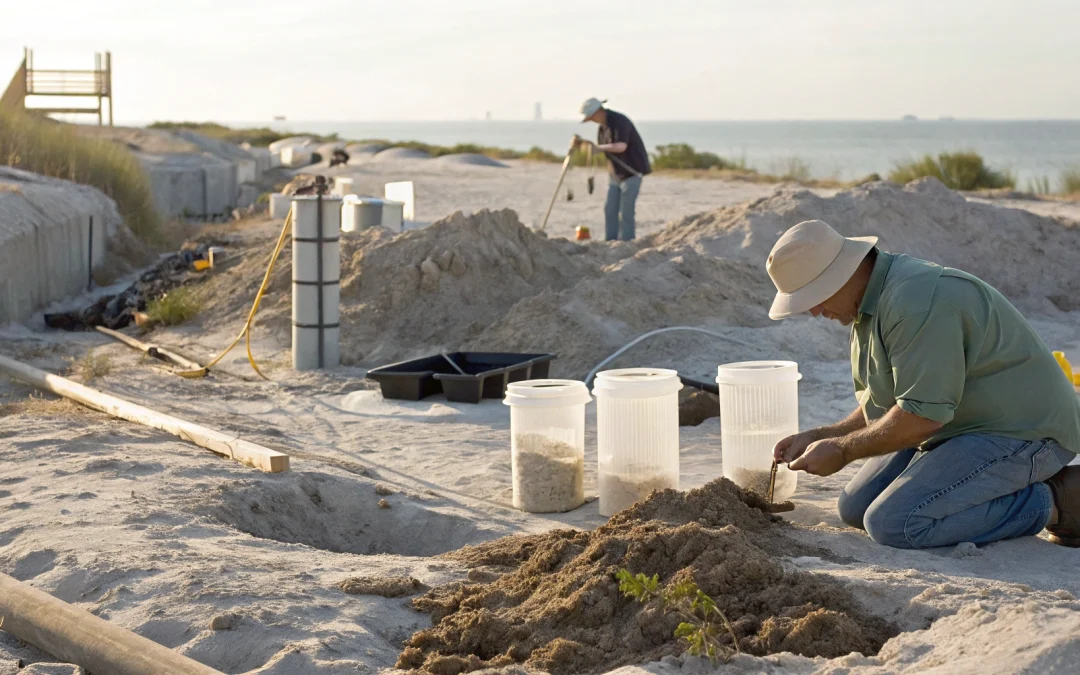
Everything starts with the land itself. Before any design work can begin, a thorough site evaluation is essential to understand the unique conditions you’re working with. This involves more than just a quick look at the property; it requires professional soil and percolation testing to determine how quickly water drains through the soil. We also analyze the soil composition, locate the water table, and map out the topography and property boundaries. A well-designed septic system must adhere to local regulations to prevent contamination of groundwater. This initial data forms the foundation for a compliant, effective design that is perfectly tailored to the site and protects the surrounding environment.
Select and Size the Right System
Once the site evaluation is complete, the next step is to choose the right system for the job. This decision is driven by the data collected in the first phase. Factors like soil type, the amount of available space, and local environmental rules will heavily influence the technology we recommend. For example, a site with poor-draining soil might require an aerobic treatment unit (ATU), while a property near a sensitive waterway may need a system with advanced nitrogen removal. Sizing is also critical and is based on the home’s number of bedrooms and projected daily water usage. Choosing the right system ensures long-term performance and efficiency.
Apply for Permits and Gain Approval
With a design in hand, it’s time to handle the paperwork. Septic systems are highly regulated because an improper installation can create serious environmental and public health risks. The permitting process involves submitting the detailed system design, soil test results, and site plan to the local health department for review. Each county in Florida has its own specific requirements, and managing them can be complex. Working with an experienced design firm is a major advantage here, as we prepare and submit permit applications that are complete, accurate, and aligned with local codes. This helps streamline the approval process and keep your project on schedule when you start a new order with us.
Coordinate a Professional Installation
A precise design is only effective if it’s installed correctly. Many of the most common septic system problems originate from avoidable mistakes during the installation stage. That’s why coordinating with a qualified, certified installer is a non-negotiable final step. The installer must follow the approved design plans exactly, ensuring every component is placed at the correct depth and grade. As designers, our two decades of experience ensure we provide clear, detailed plans that make this process straightforward for the installation team. A professional installation guarantees the system operates as intended, passes final inspection, and provides the homeowner with a reliable, long-lasting wastewater solution.
Common Challenges with Advanced Septic Systems
Advanced septic systems are incredible tools for developing challenging properties, but they aren’t without their complexities. From handling a web of regulations to planning for long-term care, these systems require a bit more foresight than their traditional counterparts. Thinking through these potential hurdles from the very beginning is the key to a successful project. When you know what to expect, you can create a clear plan that keeps your build on schedule and on budget, delivering a reliable system that will last for decades. Let’s walk through the most common challenges builders and installers face and how to handle them effectively.
Understanding Complex Regulations
Septic systems are highly regulated for a good reason—improper design or installation can pose serious risks to public health and Florida’s precious groundwater. The challenge with advanced systems is that the rules can be even more stringent and vary significantly from one county to the next. A design that’s perfect for a site in Hillsborough County might not meet the code in St. Johns County. This is where having a local expert becomes non-negotiable. A designer who is deeply familiar with state and local health department requirements can create a plan that ensures permitting and compliance from day one, preventing costly delays and redesigns.
Breaking Down the Costs
There’s no getting around it: advanced septic systems have a higher upfront cost than conventional ones. The specialized components, sophisticated technology, and more involved installation process all contribute to the initial investment. The final price tag is also heavily influenced by site-specific factors, like soil conditions, slope, and property access, which can make installation more difficult. However, it’s important to view this as a long-term investment. A properly designed advanced system adds significant value by making a difficult lot buildable, protecting the environment, and operating efficiently for years, ultimately saving money on potential repairs or replacements down the road.
Planning for Maintenance and Service
Unlike traditional systems that can be somewhat out of sight, out of mind, advanced systems require consistent, professional maintenance to perform at their best. These systems often include mechanical parts like pumps, aerators, and filters that need to be inspected and serviced annually. This isn’t a DIY job; it requires a certified technician to check all components and ensure everything is working correctly. Planning for this routine service from the start is crucial. By educating the future homeowner on these requirements, you can help them protect their investment and ensure the system functions reliably for its entire lifespan.
Choosing the Right System for the Site
The biggest mistake you can make with an advanced septic system is assuming one size fits all. The ideal technology for a site with sandy soil and a high water table is completely different from what’s needed for a small lot with dense clay. Choosing the right system depends entirely on a thorough site evaluation, including detailed soil and percolation testing. Selecting the wrong system can lead to premature failure, environmental contamination, and compliance issues. This is why a professional septic system design is so critical—it matches the specific challenges of your property with the most effective and efficient technology available.
Debunking Myths About Advanced Septic Systems
Advanced septic systems can feel like a whole new world, and with new technology comes a lot of questions—and a few misconceptions. As a builder, you’ve probably heard some of these concerns from clients or even had them yourself. The truth is, many of the worries surrounding advanced systems are based on outdated information or a misunderstanding of how they work. These systems are powerful tools for developing challenging properties, but myths about their complexity, reliability, and cost can create unnecessary hesitation. Let’s clear the air and look at the facts behind three of the most common myths so you can approach your next project with confidence.
Myth: They’re too complicated to maintain.
The word “advanced” can sound intimidating, but it doesn’t mean “difficult.” While these systems use more sophisticated technology than their traditional counterparts, their maintenance is straightforward and predictable. With a proper design and professional installation—the foundation of a healthy system—routine care is simple. Most advanced systems are serviced under a maintenance contract with a certified professional who handles the technical checks. This actually makes life easier for the homeowner, as they have an expert ensuring the system provides reliable wastewater treatment for years to come. Think of it like a high-performance car: you don’t need to be a mechanic, you just need to follow the recommended service schedule.
Myth: They aren’t as reliable as traditional systems.
This myth often gets things backward. Advanced septic systems are specifically designed for reliability on sites where traditional systems would be prone to failure. Their enhanced treatment processes protect the drainfield from clogging and premature failure, which is a common issue with conventional setups in poor soil. In fact, their reliability is a key feature. Many modern systems include smart monitoring and alarms that alert you to potential issues long before they become costly problems. By investing in a system designed for your site’s specific challenges, you’re not sacrificing reliability—you’re building a more resilient and effective wastewater solution. Proper care and regular inspections are the keys to keeping any system in top shape.
Myth: The long-term value doesn’t justify the cost.
It’s true that advanced systems have a higher initial price tag, but focusing only on the upfront cost misses the bigger picture. A well-designed system is a long-term investment that pays off. For starters, it can make an otherwise unbuildable lot viable, unlocking significant property value. More importantly, it prevents the enormous costs of a failed system down the road—think drainfield replacement, environmental fines, and property damage. Many common septic problems stem from poor initial design. By getting the septic system design right from the start, you ensure long-term functionality, protect the local environment, and deliver a durable, compliant home to your client.
Understanding Maintenance Requirements and Costs
Advanced septic systems are high-performance machines for wastewater treatment, and like any specialized equipment, they require consistent care to function at their best. While their maintenance needs differ from traditional systems, they are straightforward and predictable. Planning for these requirements from the start ensures the system operates efficiently for years, protecting the property owner’s investment and the local environment. Understanding the schedule, the costs, and the long-term value helps you set clear expectations for your clients and ensures the project’s success long after the build is complete. A proactive approach to maintenance is always more cost-effective than a reactive one.
Inspection Schedules and Professional Service
Just like a car needs regular oil changes, an advanced septic system needs routine professional check-ups. Most manufacturers recommend an inspection at least once a year to ensure all components—from the ATU to the dispersal field—are working correctly. During these visits, a technician will check electrical components, pumps, and filters and assess the sludge and scum levels in the tanks. Establishing a regular service contract with a qualified provider is the easiest way to stay on top of this. It takes the guesswork out of maintenance and ensures your system gets the expert attention it needs to perform reliably and meet all local health codes.
System Monitoring and Component Health
Beyond annual inspections, ongoing monitoring is key to the health of an advanced system. This involves more than just pumping the tank every few years. Technicians need to check that the aerobic treatment unit is providing proper aeration and that media filters aren’t clogged. Timely service helps remove accumulated solids and maintain the delicate balance required for effective wastewater treatment. Educating homeowners on best practices, like avoiding harsh chemicals and conserving water, also plays a huge role. Proper care ensures every part of the system works in harmony, preventing premature failures and costly repairs down the road.
Initial Investment vs. Long-Term Value
While advanced septic systems have a higher upfront cost, their long-term value is undeniable when properly maintained. A well-cared-for system is a sustainable and cost-effective solution for managing household wastewater, especially on challenging sites where a traditional system isn’t an option. The initial investment covers sophisticated technology that provides superior treatment, protecting groundwater and nearby water bodies. When you factor in the longevity and reliability that come with a proper septic system design and maintenance plan, the total cost of ownership is often more favorable than dealing with a failing traditional system.
Smart Preventive Maintenance Strategies
The best way to manage an advanced septic system is to be proactive. Instead of waiting for an alarm to go off, a smart preventive maintenance strategy keeps the system in top shape and prevents emergencies. This includes sticking to a regular inspection schedule, performing timely pumping services, and educating the property owner on proper use. Taking these proactive steps ensures the system operates efficiently, extends its lifespan, and provides peace of mind. If you have questions about creating a maintenance plan for a specific project, you can always contact our team for guidance.
What’s Next for Advanced Septic Design?
The world of septic design is anything but stagnant. As technology advances and our focus on environmental stewardship grows, the industry is moving toward systems that are more efficient, intelligent, and sustainable. For builders and developers in Florida, staying ahead of these trends isn’t just about future-proofing projects—it’s about delivering superior, long-lasting solutions for clients. The future is centered on smarter technology, evolving regulations, and a deeper commitment to protecting our natural resources. These shifts are paving the way for innovations that make advanced septic systems the clear choice for responsible and resilient development.
New Treatment Technologies and Automation
The next generation of septic systems is here, and it’s focused on being greener and cleaner than ever before. We’re seeing incredible innovations like biofilm reactors and membrane bioreactors that take wastewater treatment to a whole new level, producing a much cleaner effluent. But the real game-changer is the integration of automation. These advanced systems can self-monitor and adjust processes in real-time, which improves efficiency and dramatically reduces the risk of failure. For builders, this means installing a system that offers homeowners greater peace of mind and requires less hands-on intervention. It’s a smarter approach to wastewater management that ensures everything runs smoothly behind the scenes.
Evolving Regulations and Sustainability
Septic systems are closely regulated for a good reason: a poorly designed or installed system can pose serious risks to public health and Florida’s delicate ecosystems. As environmental standards become more stringent, especially concerning groundwater and nearby water bodies, advanced septic systems are becoming essential for compliance. A modern septic system design must do more than just meet today’s codes; it needs to anticipate the regulations of tomorrow. By prioritizing designs that protect our water resources, we not only ensure compliance but also contribute to a more sustainable future. This forward-thinking approach is key to responsible land development across the state.
Smarter Systems with IoT Integration
One of the most exciting trends is the integration of smart technology into septic systems. By using Internet of Things (IoT) sensors, we can now monitor system performance remotely and in real-time. Imagine a system that can alert you to a potential issue long before it becomes a costly problem. This shift from reactive repairs to proactive maintenance is transforming how we manage wastewater. These smart systems collect data on everything from tank levels to component health, providing valuable insights that ensure longevity and optimal performance. For builders, offering a home with a smart septic system is a powerful selling point. If you’re ready to incorporate this technology, you can start a new order with our team.
Related Articles
- Best Septic System Design: A Complete Guide
- 3 Types of Septic Systems Explained (With Pictures)
- 6 Types of Engineered Septic Systems: A Guide
- Septic Tank Details: A Complete Homeowner’s Guide
Frequently Asked Questions
Is an advanced system always the better choice, or are traditional systems still a good option for some projects? A traditional system can be a perfectly reliable and cost-effective solution, but only when the site conditions are ideal—think large lots with great soil and a low water table. An advanced system becomes the better, and often necessary, choice when you’re facing challenges like poor soil, a small lot, or proximity to a sensitive water body. It’s less about one being universally “better” and more about matching the right technology to the specific demands of the property.
How should I factor the higher upfront cost of an advanced system into my project budget? It’s best to view the cost as a long-term investment rather than just an initial expense. An advanced system makes difficult lots buildable, which adds significant value to the property. It also prevents the massive future costs associated with a failing system, like drainfield replacement or environmental fines. By solving site challenges from the start, you’re investing in a reliable, compliant solution that protects the home’s value for years to come.
What does the long-term maintenance for an advanced system actually involve for the homeowner? While “advanced” might sound complicated, the maintenance is quite straightforward. These systems typically require an annual service check by a certified professional, much like an HVAC unit. The technician inspects the pumps, filters, and other components to ensure everything is running efficiently. This proactive approach is actually a benefit, as it catches small issues before they become big problems and ensures the system has a long, reliable lifespan.
My project is on a small lot near the coast. What kind of advanced system would be best? For a site with multiple challenges like that, the best system is one designed specifically for those conditions. You’d likely need a compact system that fits the small footprint, such as one using drip distribution. More importantly, because it’s near the coast, the system would need technology focused on high-level nitrogen removal to protect the nearby water. A thorough site evaluation is the only way to determine the exact combination of technologies needed to ensure compliance and performance.
With regulations varying so much across Florida, how do you guarantee a design will pass inspection? This is where deep local experience is critical. The key is to work with a design expert who is intimately familiar with the specific codes for the county your project is in. A successful design process starts with a comprehensive site evaluation to gather all the necessary data. This information is then used to create a detailed plan that meets every state and local requirement from the beginning, which streamlines the permitting process and avoids costly delays.