by Alexandra Hill | Mar 3, 2026 | Blogs
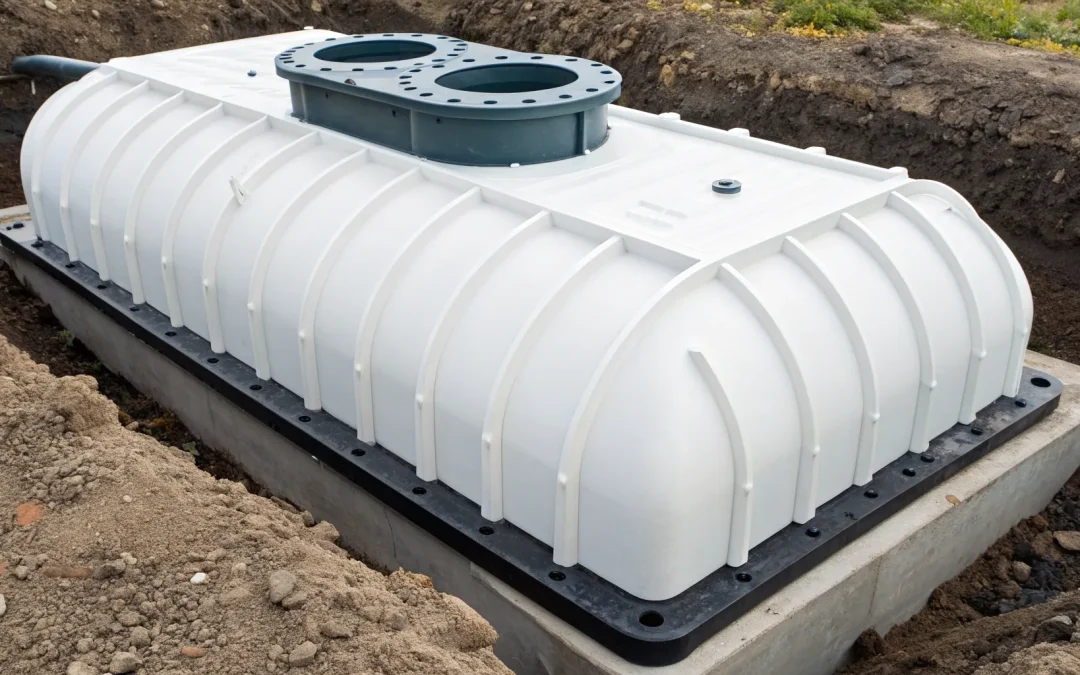
Let’s clear up a common misconception: there is no one-size-fits-all septic tank. The term “standard dimensions” is misleading because every system must be custom-designed for its specific location and usage. The right size is a careful calculation...
by Alexandra Hill | Mar 3, 2026 | Blogs
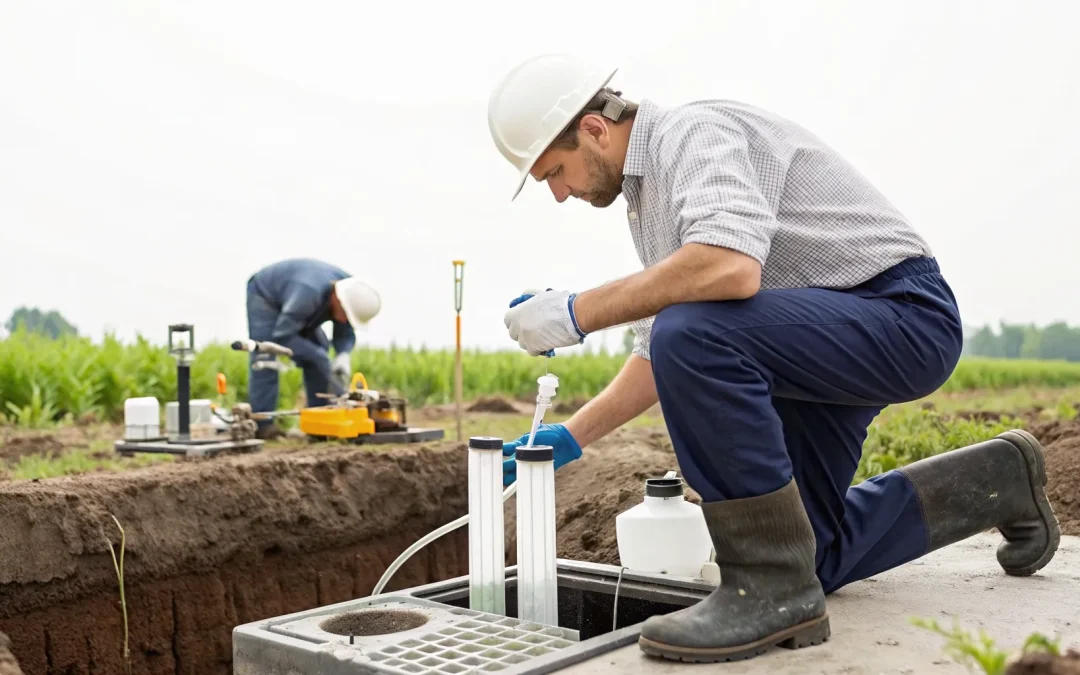
A failing septic system is a builder’s worst nightmare, leading to costly repairs, environmental hazards, and unhappy clients. The most common reason for failure isn’t faulty equipment; it’s a system designed for the wrong type of soil. The...
by Alexandra Hill | Mar 3, 2026 | Blogs
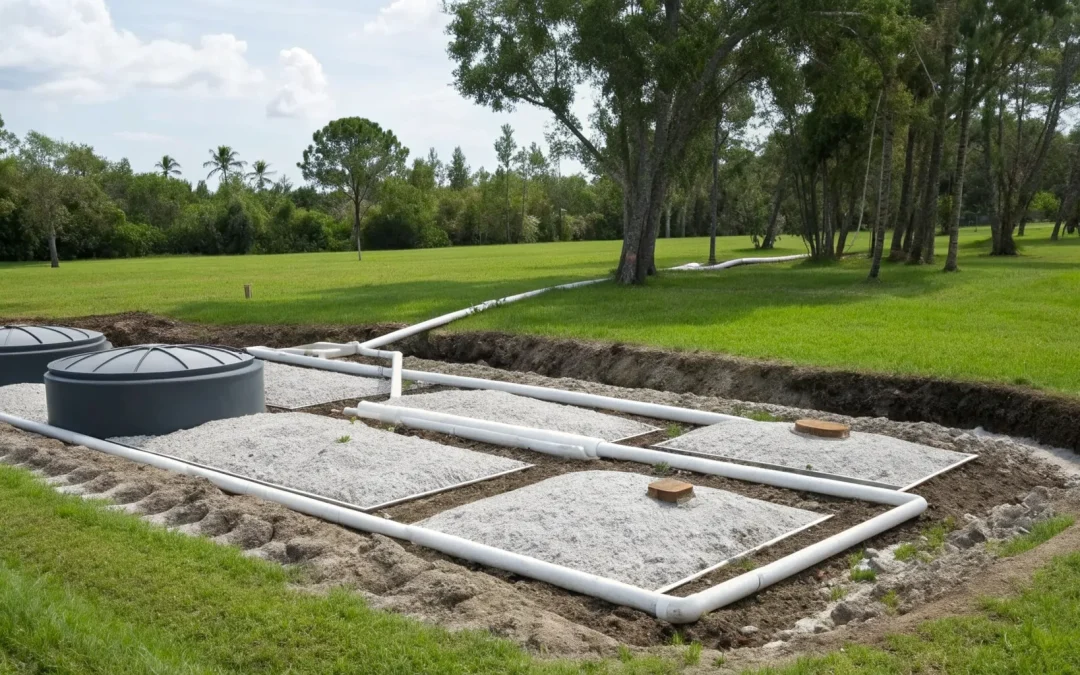
Florida’s ground is unlike anywhere else in the country. Our combination of porous sandy soil, shallow water tables, and intense rainy seasons creates a unique set of challenges for wastewater management. A septic system design that works perfectly in the clay soils...
by Alexandra Hill | Mar 3, 2026 | Blogs
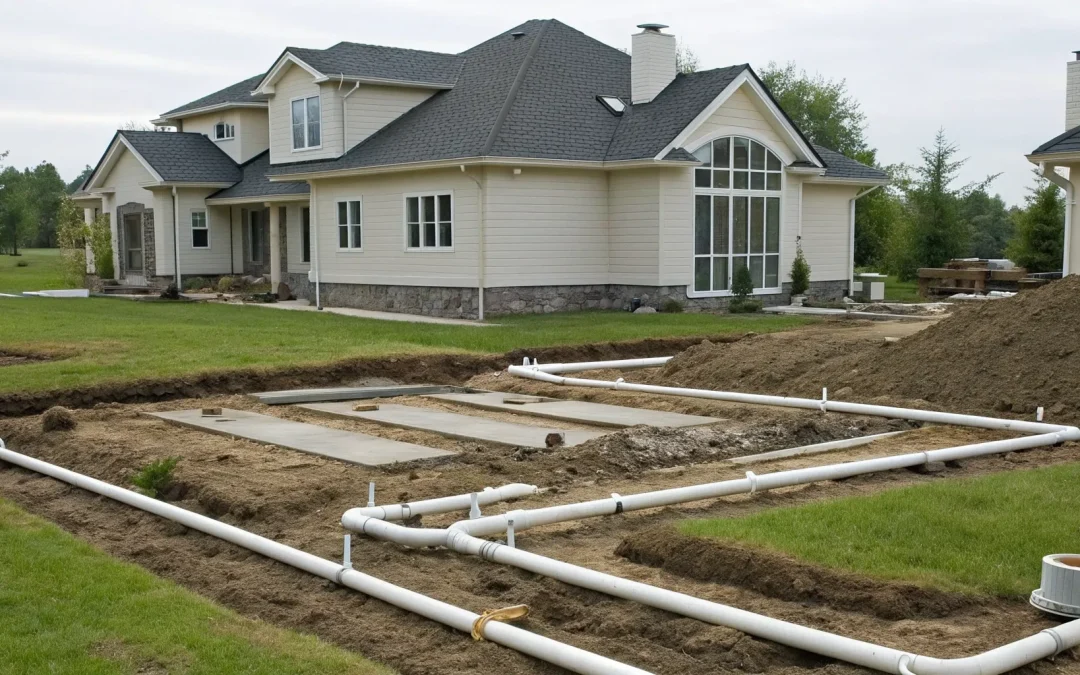
A septic system is a major investment, and its longevity hinges on a smart, forward-thinking design. A common mistake is creating a system that only meets today’s needs, without considering the home’s maximum potential occupancy or future land use. A...
by Alexandra Hill | Mar 3, 2026 | Blogs
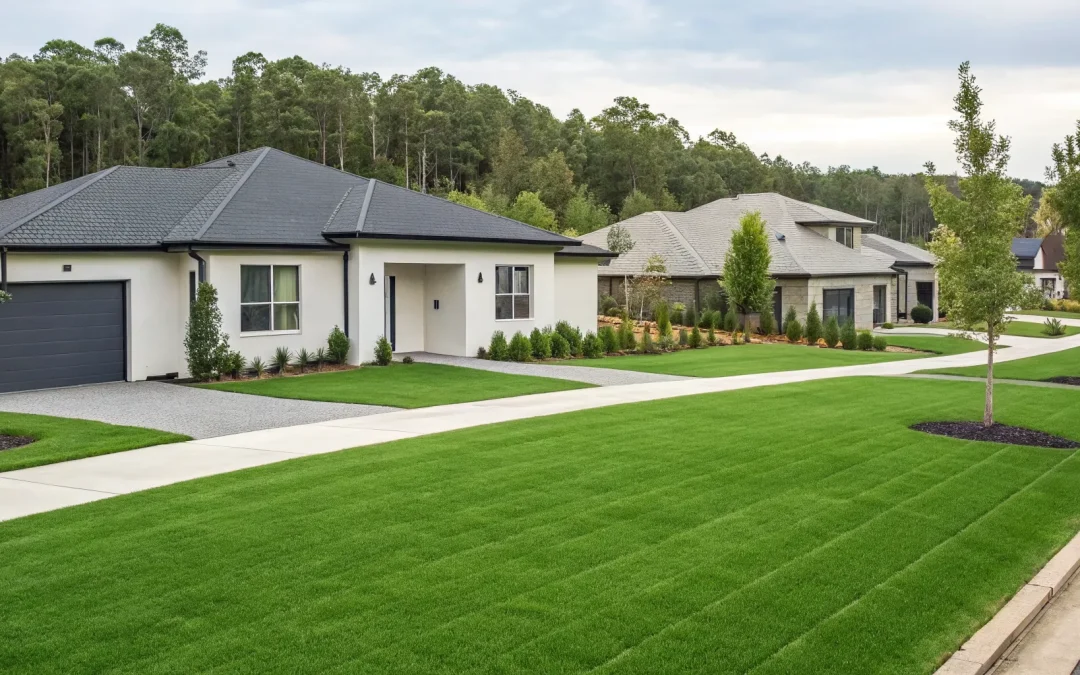
Getting the leach field size wrong is one of the most expensive mistakes you can make on a new construction project. An undersized system leads to premature failure, sewage backups, and environmental contamination, creating a nightmare for the homeowner and a serious...
by Alexandra Hill | Feb 26, 2026 | Blogs
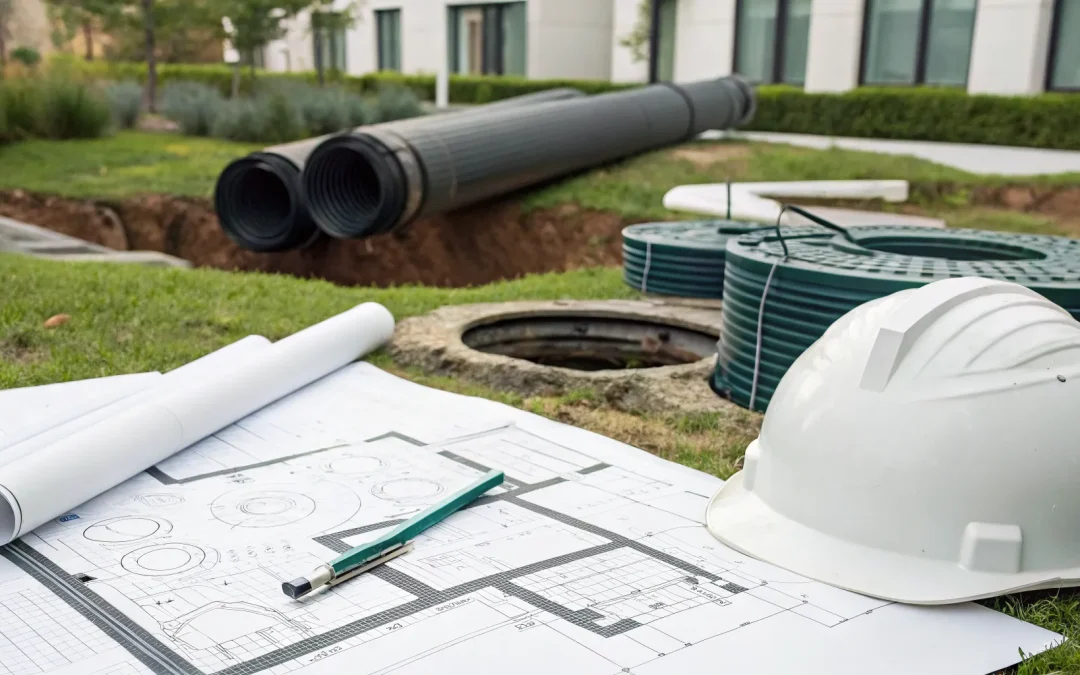
Navigating Florida’s septic regulations can feel like trying to read a map with no legend, especially since the rules often change from one county to the next. For builders and installers, this complexity isn’t just confusing; it can bring a project to a...
