
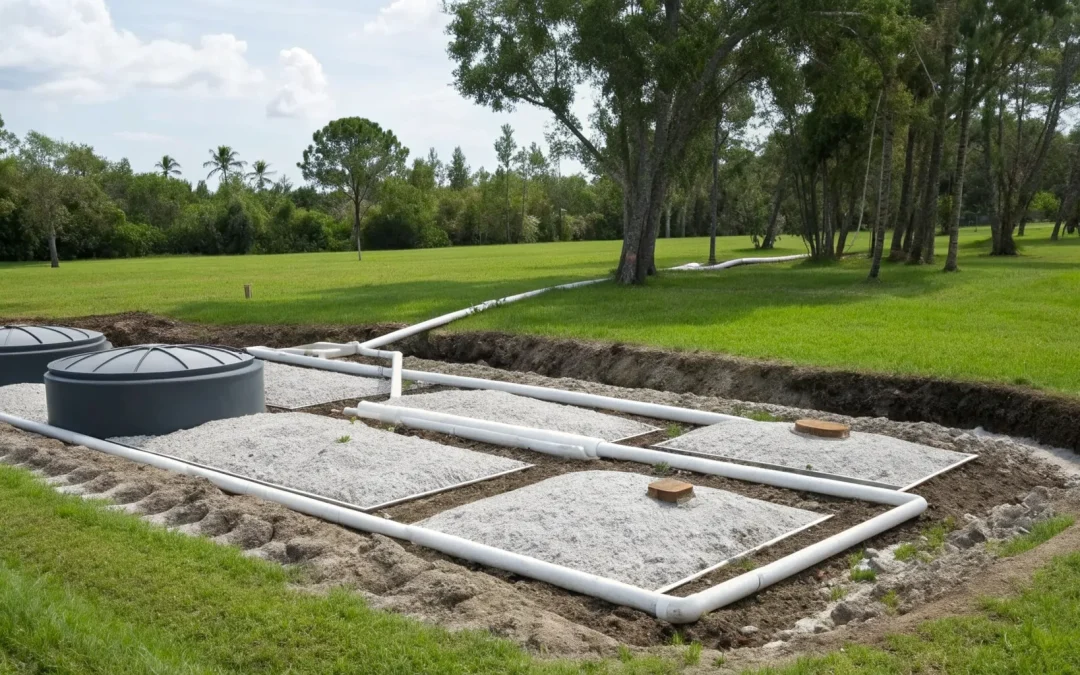
Get a Septic System Design That Saves You Time, Money & Headaches
Avoid rework, prevent delays, and get fully compliant septic plans engineered specifically for your property. Land Perc provides clear designs, accurate soil data, and smooth permitting so your project moves forward without surprises.
Start a New OrderFlorida’s ground is unlike anywhere else in the country. Our combination of porous sandy soil, shallow water tables, and intense rainy seasons creates a unique set of challenges for wastewater management. A septic system design that works perfectly in the clay soils of Georgia could lead to a complete and costly failure here. This isn’t a place for one-size-fits-all solutions or guesswork. Success depends on a deep understanding of our local environment and regulations. For builders and installers, mastering the specifics of septic tank drainfield design Florida requires is not just an advantage; it’s a necessity. In this guide, we’ll break down the key factors you need to consider, the best system types for our conditions, and how to create a plan that is both compliant and built to last for decades.
Key Takeaways
- Prioritize Florida-Specific Expertise: A successful septic system in Florida requires a design that accounts for our unique sandy soils and high water tables, making local experience essential for compliance and performance.
- Accurate Soil Testing Dictates Everything: Professional soil and percolation tests are the most critical step; this data determines the system type, size, and placement needed to meet state health codes and function correctly.
- Strategic Planning Ensures Long-Term Success: A proper design goes beyond initial installation by considering future property use, protecting the drainfield area from damage, and making maintenance accessible, which prevents costly repairs later on.
What is Septic Tank Drainfield Design?
When you’re building a property that isn’t connected to a municipal sewer line, a septic system handles all the wastewater. The septic tank drainfield, also known as a leach field, is the unsung hero of this system. It’s an underground network designed to safely treat and disperse wastewater back into the soil. Septic tank drainfield design is the process of creating a detailed blueprint for this system, tailored specifically to the property’s unique conditions.
Think of it as creating a custom filtration plan for a home or business. A proper design accounts for everything from the soil type and property slope to the local water table and the expected daily water usage. This isn’t a one-size-fits-all task, especially in Florida. A successful design ensures the system functions efficiently for decades, prevents environmental contamination, and meets all state and local health codes. For builders and installers, getting the septic system design right from the start is the key to avoiding costly rework, project delays, and failed inspections down the line.
Key Components of a Drainfield System
A drainfield might be out of sight, but it’s made up of several distinct parts working together. Understanding these components helps clarify how the whole system functions. The main parts of a septic system include the septic tank, a distribution box, the drainfield itself, and the surrounding soil. Wastewater first flows into the septic tank, where solids settle to the bottom. The liquid effluent then moves to a distribution box, which evenly channels it into the drainfield’s perforated pipes. From there, the water slowly seeps into the soil, which acts as a final, natural filter to remove harmful bacteria before the water returns to the groundwater.
Why Proper Design is Crucial in Florida
Florida’s unique environment makes professional drainfield design an absolute necessity. Our state’s sandy soils, high water tables, and sensitive ecosystems present challenges that you just don’t find elsewhere. A generic design that works in another state could lead to a complete system failure here, causing groundwater pollution and requiring an expensive replacement. A well-crafted design protects Florida’s natural resources by ensuring wastewater is thoroughly treated. For builders, a proper design is your assurance that the system will pass inspection, function reliably for the homeowner, and prevent long-term liability issues. It’s the foundation of a safe and compliant wastewater solution.
What Makes Florida Drainfield Design Challenging?
Designing a septic system in Florida isn’t like anywhere else. Our state’s unique environment presents a specific set of hurdles that can turn a straightforward project into a complex puzzle. For builders and installers, understanding these challenges is the first step to avoiding costly delays, failed inspections, and unhappy clients. It’s not just about digging a hole and laying some pipe; it’s about creating a system that can withstand our sandy soil, high water tables, and intense rainy seasons for decades to come.
Florida’s geography is the main source of these complications. As a peninsula, we’re surrounded by water, which means our groundwater levels are often just a few feet below the surface. Combine that with porous, sandy soil and you have a recipe for wastewater treatment issues if the system isn’t perfectly designed for the site. A drainfield that works flawlessly in the clay soils of Georgia could fail spectacularly here. That’s why a one-size-fits-all approach just doesn’t work. Every design needs a custom solution based on thorough site analysis and a deep understanding of local conditions. Working through these factors, along with strict state and county regulations, requires specialized expertise to ensure every project gets permitted and installed correctly the first time.
Sandy Soil and Rapid Drainage
At first glance, sandy soil seems ideal for a drainfield. It drains quickly, right? But that speed is exactly the problem. Florida’s sandy soils can allow wastewater to percolate through too rapidly, before the soil has a chance to naturally filter and treat the effluent. This can lead to untreated wastewater reaching the groundwater, which is a serious environmental and health risk. A successful septic drainfield design must account for this by using specific layouts and materials that slow down the drainage process just enough to allow for proper treatment. It’s a delicate balance that requires precise soil analysis and expert planning.
High Water Tables
Florida’s high water table is another major factor that complicates drainfield design. The water table is the level below which the ground is saturated with water, and in many parts of Florida, it’s incredibly shallow. A septic drainfield must be installed with a certain amount of vertical separation between the bottom of the drainfield and the seasonal high water table to function correctly. If it’s too close, the drainfield can become saturated, preventing it from accepting wastewater and leading to system backups. This is why accurate soil and percolation testing is non-negotiable; it determines the precise depth at which a drainfield can be safely and effectively installed.
Seasonal Flooding and Fluctuating Water Levels
Florida’s weather is anything but predictable. Our long rainy season, coupled with the threat of hurricanes and tropical storms, can cause groundwater levels to rise dramatically in a short amount of time. A drainfield designed based on dry-season conditions might fail completely during a wet period. A properly engineered system must be built to withstand these fluctuations. This often means considering alternative designs, like mound systems, that elevate the drainfield above the natural soil to keep it out of the saturated zone. A design professional with local experience will anticipate these seasonal changes and create a resilient system that works year-round.
Strict Environmental Regulations
On top of all the natural challenges, Florida has some of the strictest environmental regulations for septic systems in the country. The Florida Department of Health (FDOH) and local county health departments have specific rules about everything from system size to setback distances from wells, surface water, and property lines. Failing to meet these requirements will bring your project to a halt. An experienced design firm understands the nuances of the state and local codes, ensuring your plans meet all permitting and compliance standards from the start. This expertise saves you time, money, and the headache of redesigns and resubmissions.
How to Choose a Septic Drainfield Design Service
Choosing the right septic drainfield design service is one of the most important decisions you’ll make for your project. The right partner can mean the difference between a smooth, on-schedule build and one plagued by permitting delays and costly rework. You need a team that not only understands the technical aspects of design but also knows how to get things done efficiently within Florida’s specific regulatory landscape. To make sure you’re hiring a true expert, focus on these four key areas.
Verify Certifications and Licensing
Before you even look at a portfolio, your first step should be to verify credentials. In Florida, septic system design isn’t a job for just anyone. The state has specific requirements, and you want to work with someone who meets and exceeds them. For example, a Master Septic Tank Contractor must have at least three years of active experience. This isn’t just red tape; it ensures your designer has a deep, practical understanding of state codes and installation practices. You can always check a contractor’s status with the Florida Department of Health to confirm they are licensed and in good standing. This simple check protects your project, your client, and your reputation.
Confirm Local Permitting Expertise
A great design is useless if it can’t get permitted. Every county in Florida has its own nuances and processes, and a designer with strong local relationships and experience is invaluable. They’ll know exactly what the local health department wants to see on a site plan and what kind of soil test data is required. An experienced partner can prepare a comprehensive septic system design package that anticipates reviewers’ questions, leading to faster approvals. This expertise helps you avoid the back-and-forth that can stall a project for weeks. Ask potential designers about their experience with the specific county you’re building in and how they handle the permitting process from start to finish.
Review Their Design and Testing Capabilities
Florida’s ground conditions are anything but uniform, so a one-size-fits-all approach to drainfield design simply won’t work. A top-tier design service will have robust capabilities for site-specific analysis, including detailed soil and percolation testing. They should be able to accurately assess soil composition and water table levels to create a tailored system that functions effectively for the long haul. This isn’t just about meeting minimum code requirements; it’s about engineering a solution that is efficient and durable. When vetting a company, ask about their testing methods and how they use that data to inform their designs. A team that prioritizes this foundational work is one you can trust.
Ensure They Have Florida-Specific Experience
Experience in other states doesn’t always translate to success in Florida. Our state’s unique combination of sandy soil, high water tables, and seasonal rainfall creates distinct challenges for septic system performance. A designer must have proven, hands-on experience creating systems that can handle these conditions without failing. A company with a long track record in Florida will understand how to design drainfields that allow for proper effluent treatment while avoiding groundwater contamination. When you see a company has completed thousands of projects across Florida, you can feel confident they have the specialized knowledge needed to handle whatever your site throws at them.
Finding the Best Drainfield Design Company in Florida
Choosing the right design partner is one of the most important decisions you’ll make for your construction project. In Florida, where site conditions can be unpredictable, you need a team that combines technical skill with deep local knowledge. The right company will save you from costly rework, permitting delays, and long-term system failures. Let’s walk through what sets a great drainfield design company apart and what to look out for.
Why Builders Trust Land Perc
Florida’s unique landscape, with its sandy soils, high water tables, and sensitive ecosystems, makes septic design a specialized field. A plan that works in another state could easily fail here, leading to major headaches. This is why so many builders rely on a team with proven local experience. With over two decades in the field and more than 40,000 completed projects, we’ve seen it all. We understand how to create custom septic system designs that account for Florida’s specific challenges, ensuring your system is efficient, compliant, and built to last. Our track record gives builders the confidence that the job will be done right the first time.
Qualities of a Reputable Provider
A trustworthy drainfield designer does more than just draw up plans. They act as your expert guide through a complex process. Look for a provider who has a deep understanding of state and local regulations, including the specific standards set by the Florida Department of Health (FDOH). A professional design is an investment that pays for itself by preventing costly mistakes and delays. A great partner also thinks ahead, planning for future maintenance by ensuring the drainfield is easily accessible and not placed under permanent structures like driveways or patios. This foresight protects the system’s longevity and saves the property owner from future hassles.
Red Flags to Avoid When Choosing a Designer
One of the biggest red flags is a designer who downplays the importance of initial site work. Skipping a thorough soil analysis is a recipe for disaster, often leading to expensive fixes later on. Be cautious of any company that offers a generic, one-size-fits-all solution without a detailed site evaluation. Florida’s ground conditions can vary dramatically, and a site with heavy clay or a high water table requires a specialized system, like a mound system. A designer who isn’t prepared to tailor their approach to your specific site isn’t the right partner for your project. If you’re ready to work with a team that prioritizes precision, you can start a new order with us today.
Which Drainfield Designs Work Best in Florida?
Choosing the right drainfield design in Florida isn’t a one-size-fits-all decision. The best system for your project depends entirely on the specific conditions of your site, including soil type, water table depth, and available space. A thorough site evaluation is the first step in determining which design will perform efficiently and meet all state and local regulations. As a builder or installer, understanding the main options helps you plan your project timeline and budget more effectively.
Florida’s diverse landscape, from sandy coasts to clay-rich inland areas, requires a flexible approach. What works perfectly for a spacious lot with sandy soil might be completely unsuitable for a smaller property with a high water table. That’s why partnering with an expert who understands these nuances is so important. A professional septic system design considers all these factors to create a plan that is both compliant and built for long-term success. Let’s walk through some of the most common and effective drainfield designs used across the state.
Conventional Gravel Drainfields
When you picture a standard drainfield, you’re probably thinking of a conventional gravel system. This classic design uses perforated pipes laid in trenches and surrounded by a bed of gravel. The gravel creates a porous area that allows wastewater to filter slowly into the soil. They are a popular choice because they are relatively straightforward to install, easy to repair, and generally low-maintenance over their lifespan.
However, their biggest drawback is the amount of space they require. For smaller lots or properties with significant setbacks, a conventional system might not be feasible. They also don’t perform well in areas with rocky soil, which can be an issue in certain parts of Florida. For projects with ample space and suitable soil, this tried-and-true method remains a reliable and cost-effective option.
Chamber Systems
Chamber systems are a more modern alternative to traditional gravel drainfields. Instead of gravel, these systems use interconnected plastic or concrete chambers to create an open space for wastewater to disperse. This design offers excellent filtration and is much more compact than a gravel system, making it a great solution for smaller properties or sites with limited installation area. The lightweight plastic chambers are also easier to handle and install, which can speed up construction.
While they are highly effective in many soil types, they can struggle in areas with heavy, dense soil. The fine particles in heavy soil can clog the chambers over time, reducing the system’s efficiency. For most Florida projects, especially those on tight lots, chamber systems provide a space-saving and effective wastewater treatment solution.
Mound Systems for High Water Tables
Florida’s high water tables present a significant challenge for septic design, and that’s where mound systems shine. A mound system is essentially an engineered drainfield built above the natural ground surface. It consists of a specially prepared sand fill mound with the drainfield pipes placed on top. This elevated design provides the necessary separation between the drainfield and the groundwater, ensuring proper treatment of wastewater before it reaches the water table.
Mound systems are a go-to solution for properties with shallow soil or high groundwater levels. While they are incredibly effective, they are also more complex and expensive to build than other systems. They also require more diligent maintenance to ensure the mound structure remains stable and functional.
Infiltrator Systems for Tough Soils
Infiltrator systems are another innovative, gravel-less drainfield option. These systems use durable, injection-molded plastic chambers or panels that provide excellent filtration and can handle high volumes of wastewater. One of their key advantages is their environmental friendliness. Because they require less excavation and no heavy gravel, the installation process is faster and has a smaller impact on the site.
This design is highly versatile and performs well in a variety of soil types found across Florida, making it a dependable choice for many projects. The strong, durable materials also ensure a long service life. For builders looking for an efficient, reliable, and environmentally conscious option, infiltrator systems are an excellent choice that can adapt to challenging site conditions.
What Does Septic Drainfield Design Cost in Florida?
When you’re budgeting for a new septic system, it’s helpful to look at the full picture. The total cost isn’t just one line item; it’s a combination of professional design, physical installation, required permits, and future upkeep. Each phase has its own costs, and understanding them upfront helps you plan your project effectively and avoid surprises down the road. Let’s break down the four main cost areas you can expect when developing a septic drainfield in Florida.
Design and Engineering Fees
This is your first and most critical investment. Before any dirt is moved, you need a professional plan. To get a permit, you’ll need a detailed site plan, soil test results, and a full septic system design. This professional design proves your plan is safe and follows all rules. These fees cover the expert analysis of your property, including soil testing and percolation tests, to determine the best type and size of system for your specific site conditions. Think of it as the blueprint for a successful, long-lasting system. Investing in a quality custom septic system design from the start is the best way to prevent costly installation errors and premature failure.
Installation Costs
This is typically the largest expense and covers all the labor and materials needed to build the system. A conventional septic system, including the tank and drainfield trenches, can cost from a few to several thousand dollars to install. However, Florida’s unique landscape often presents challenges. If your site has poor soil or a high water table, a special “alternative system” like a mound or aerobic treatment unit may be required. In these cases, the installation cost can easily exceed ten thousand dollars. The final price depends heavily on your property’s specific needs, the system’s complexity, and local labor rates.
Permitting and Compliance Expenses
You can’t install a septic system without the proper approvals. These costs cover the fees charged by your local county health department to review your design, issue a construction permit, and conduct final inspections. You must follow all state and local rules, including setback distances. There are minimum distances your septic system must be from wells, property lines, water bodies, and buildings. These regulations are critical to prevent water pollution and ensure public health. Working with an experienced designer who understands local codes ensures your application is accurate, complete, and processed without unnecessary delays. When you’re ready to start your project, having an expert handle the paperwork makes all the difference.
Long-Term Maintenance
The costs don’t stop once the system is in the ground. Proper maintenance is essential for protecting your investment and ensuring your drainfield functions for decades. The most important task is to have your septic tank pumped every 7 to 10 years. This routine service removes the accumulated solids and prevents them from flowing into and clogging the drainfield, which can lead to a complete system failure. Regular pumping is a minor expense compared to the thousands of dollars it would cost to repair or replace a damaged drainfield. Following best practices for septic system care will save you significant money and headaches over the life of your system.
Understanding Florida’s Septic Drainfield Regulations
Getting a septic system approved in Florida means following the state’s specific regulations, which are designed to protect our environment and public health. Understanding these requirements from the start helps you avoid delays and unexpected costs. It’s all about having a solid plan that meets every code, ensuring your project moves forward smoothly.
Florida Department of Health Requirements
In Florida, the Department of Health (FDOH) oversees all septic systems. You can’t start a project without their approval. The FDOH requires a permit for any new installation or major repair, and you can only get one by submitting a professional design from a qualified expert. This design serves as the official blueprint, proving your system is built to handle the property’s needs while protecting groundwater. A professional partner can manage the entire permitting and compliance process, making sure every box is checked so you don’t have to worry about it.
Setback Distances and Placement Rules
Location is everything when it comes to your drainfield. Florida has strict rules about how far your septic system must be from other features on your property. These setback distances apply to wells, property lines, buildings, and any nearby bodies of water. These rules are non-negotiable because they are critical for preventing water pollution and keeping drinking water sources safe. A detailed site evaluation is the first step to mapping out these distances correctly. Getting the placement right from the start ensures your project meets all local codes and protects the surrounding environment.
Soil and Percolation Testing Standards
Not all soil is created equal, especially in Florida. That’s why professional soil and percolation tests are mandatory. These tests are the foundation of a good drainfield design. A soil analysis tells us about the soil’s texture, while the perc test measures how quickly water drains through it. This information is vital for designing a system that can effectively treat wastewater without overwhelming the ground. Skipping this step can lead to system failure and costly repairs. Proper soil and percolation testing ensures your drainfield is sized and designed correctly for your specific site conditions.
The Permitting and Approval Process
Once you have your site plan and soil test results, you can move on to the permitting process. To get your permit approved, you’ll need to submit a complete package to the health department. This includes the detailed site plan, soil test data, and a full septic system design. This comprehensive design demonstrates that your plan is safe, effective, and follows all state and local regulations. Submitting a thorough and accurate application is the key to a quick approval, and you can find answers to common questions on our FAQs page. It shows regulators you’ve done your due diligence, which helps keep your project on track.
Common Florida Drainfield Design Mistakes to Avoid
A well-designed drainfield is the key to a long-lasting septic system, but a few common missteps can lead to premature failure, expensive repairs, and permitting headaches. As builders and installers, knowing what to watch out for can make all the difference in delivering a quality project on time and on budget. Let’s walk through some of the most frequent design mistakes we see in Florida and how you can steer clear of them.
Underestimating the Importance of Soil Testing
This is the absolute foundation of a successful design, and cutting corners here is a critical error. You absolutely need professional soil and percolation tests. These evaluations determine how quickly wastewater can drain through the soil, a factor that dictates the entire system’s design. Without accurate data from a soil analysis, you’re essentially guessing, which can lead to a system that fails to meet Florida’s health codes. An undersized drainfield in slow-draining soil will quickly become saturated, causing backups and environmental contamination. Investing in thorough testing upfront prevents these costly and hazardous outcomes.
Incorrectly Sizing the Drainfield
Getting the drainfield size right is a precise calculation, not an estimate. The correct size depends on two main factors: the projected daily wastewater flow from the home (based on the number of bedrooms) and the soil’s absorption rate (determined by the perc test). An undersized drainfield can’t handle the daily load, leading to system failure and messy, expensive repairs. On the other hand, an oversized system is an unnecessary construction expense. A professional septic system design ensures the drainfield is perfectly matched to the property’s specific needs, guaranteeing efficiency and longevity while avoiding wasted materials and labor.
Poor Site Planning
Where you place the drainfield is just as important as how you build it. A common mistake is failing to consider future property use and maintenance access. A good design accounts for this from the start. You should never locate a drainfield under a future driveway, patio, pool, or other permanent structure. It also needs to be clear of heavy landscaping and large trees whose roots can clog or damage the pipes. The area must remain accessible for routine inspections and potential repairs. Proper site planning ensures the system functions correctly and doesn’t create obstacles for the homeowner or future construction projects.
Neglecting Local Compliance
Florida has strict environmental regulations for a reason, and ignoring them can bring a project to a grinding halt. You must follow all state and local rules, including setback distances. These regulations mandate minimum distances a septic system must be from wells, property lines, buildings, and bodies of water like lakes or canals. These rules are critical for preventing groundwater contamination and protecting public health. Working with a designer who has deep permitting and compliance expertise is essential. They will ensure your design meets every requirement, avoiding costly delays and ensuring a smooth approval process with the local health department.
How to Maintain Your Florida Drainfield for Long-Term Success
Once your drainfield is expertly designed and installed, a little proactive care is all it takes to ensure it functions properly for decades. Think of it as protecting your investment. Proper maintenance prevents messy backups, costly repairs, and premature system failure. By following a few straightforward practices, you can keep your septic system operating efficiently and avoid unexpected problems down the road. These simple steps will help you maintain the health of your drainfield and give you peace of mind.
Schedule Regular Pumping and Inspections
Think of this as a routine check-up for one of your property’s most essential systems. We recommend having your septic tank pumped every 7 to 10 years, though this can vary based on the size of the property and its water usage. This simple step prevents solids from building up and moving into the drainfield, which can cause clogs and lead to system failure. Regular septic system inspections are also a great way to catch small issues before they become messy, expensive emergencies. A professional can assess the health of your tank and drainfield, ensuring everything is working just as it was designed to.
Protect the Drainfield Area from Damage
Your drainfield is a carefully engineered system working just beneath the surface, but it isn’t indestructible. It’s crucial to keep heavy vehicles, like cars, trucks, or construction equipment, off the drainfield area. The weight can easily crush the underground pipes and compact the soil, which disrupts the wastewater treatment process and can cause irreversible damage. This kind of mistake often leads to a complete system failure, requiring a costly replacement. We always advise builders and homeowners to clearly mark the drainfield area or include it in site plans so everyone working on the property knows to avoid it.
Manage Nearby Vegetation and Water Runoff
What you plant near your drainfield matters more than you might think. Avoid planting trees or large shrubs with aggressive root systems over or near the area. Their roots are naturally drawn to the moisture in the drainfield and can infiltrate the pipes, causing serious blockages and damage. It’s also important to direct water from roof downspouts, sprinklers, and other drainage systems away from the drainfield. The soil needs to be able to absorb and treat wastewater effectively. If it’s already saturated with rainwater, it can’t do its job properly, which can lead to backups and poor performance.
Practice Water Conservation
Every drop of water that goes down your drains ends up in your septic system, so being mindful of water usage can significantly extend the life of your drainfield. Simple habits like installing low-flush toilets, fixing leaky faucets promptly, and spreading out laundry loads throughout the week can make a huge difference. Reducing the amount of water flowing into the system lessens the daily load on your drainfield, giving it more time to properly treat and disperse the wastewater. This not only helps prevent overwhelming the system but also contributes to its long-term health and efficiency. You can find more tips on our FAQs page.
Get the Right Drainfield Design for Your Florida Project
When it comes to designing a septic drainfield in Florida, you can’t just use a standard plan. Our state’s unique mix of sandy soils, high water tables, and tough environmental rules means a design that works perfectly elsewhere could easily fail here. Getting a custom septic system design is the only way to make sure your project is set up for success right from the start.
Everything really comes down to the soil on your property. The soil type determines how large your drainfield needs to be and which kind of system will work for the site. This is why professional soil and percolation tests are non-negotiable. These tests show exactly how quickly water drains through the ground, giving us the data needed to create a design that meets Florida’s health regulations and performs reliably for years. You can find more details in our complete septic drainfield design guide.
Once we have the soil data, the drainfield’s size is figured out with precise calculations. It’s based on the home’s expected wastewater flow (usually determined by the number of bedrooms) and the soil’s absorption rate. You also have to follow all state and local rules, including setback distances from wells and property lines. The Florida Department of Health (FDOH) oversees all septic systems, and you’ll need a detailed site plan, soil test results, and a full system design to get your permit approved.
Trying to manage all these details can lead to serious headaches. Working with an experienced professional saves you time, money, and the stress of potential rework or compliance problems. When you’re ready to get an accurate, compliant design for your project, you can start a new order with us.
Related Articles
- Your Guide to Septic Tank Drain Field Requirements
- Septic Drainfield Design 101: A Complete Guide
- Septic Tank and Drainfield Design: A Complete Guide
- Florida Septic System Design Requirements: A Guide
Frequently Asked Questions
Why is a custom septic design so important in Florida? A generic plan simply won’t work with Florida’s unique environment. Our state’s combination of sandy soil, shallow water tables, and strict health codes requires a design tailored to the specific conditions of your property. A custom design ensures the system can properly treat wastewater without contaminating groundwater, which protects both the environment and your investment from premature failure and costly repairs.
What is the most critical step before starting a drainfield design? The most important first step is always a professional soil and percolation test. This analysis provides the essential data about your site’s soil composition and drainage rate. Without this information, any design is just a guess. Accurate testing is the foundation for creating a correctly sized and effective system that will pass inspection and function reliably for decades.
My property has a high water table. Does that mean I can’t build a septic system? Not at all, but it does mean a conventional system probably won’t work. Properties with high water tables or poor soil often require an alternative design, like a mound system. This type of system elevates the drainfield in an engineered sand mound, creating the necessary separation from the groundwater to ensure proper wastewater treatment. An experienced designer can determine the best solution for your specific site.
How can a professional design help speed up the permitting process? An experienced designer who is familiar with local and state regulations knows exactly what the health department needs to see for an approval. They can prepare a complete and accurate application package that anticipates reviewers’ questions, which helps you avoid the common back-and-forth that causes delays. A thorough, professional design demonstrates that you’ve done your due diligence, making the entire approval process much smoother.
What are the main factors that influence the total cost of a new septic system? The total cost is a combination of several key parts. First are the design and engineering fees for the site plan and soil testing. Next is the installation, which is the largest expense and includes all labor and materials. You also have permitting fees paid to the local health department. Finally, you should consider long-term maintenance, like routine tank pumping, which protects the system’s lifespan.