
Get a Septic System Design That Saves You Time, Money & Headaches
Avoid rework, prevent delays, and get fully compliant septic plans engineered specifically for your property. Land Perc provides clear designs, accurate soil data, and smooth permitting so your project moves forward without surprises.
Start a New OrderThink of your septic system’s drain field as a network of roads. For traffic to flow smoothly, you need a director at the main intersection. In a septic system, that traffic director is the septic tank drain field distribution box. Its sole purpose is to take the wastewater leaving the tank and send it down each pipe of the drain field in equal amounts. Without this control, some lines would get overwhelmed while others run dry, causing a system-wide “traffic jam” that leads to backups and failure. This guide explains how this small but essential part works and what you need to know to keep it functioning perfectly.
Key Takeaways
- A Level Installation is Non-Negotiable: The success of a drain field hinges on a perfectly level distribution box. Even a slight tilt during installation will cause uneven wastewater flow, leading to oversaturation and eventual system failure, so ensuring it’s level is the most critical step.
- Choose Materials Suited for Florida’s Climate: For projects in Florida’s sandy and wet conditions, durable plastic (HDPE) boxes are often the superior choice over concrete because they resist corrosion and cracking. Sizing is just as important—always match the number of outlets to your drain field design.
- Recognize Failure and Follow Compliance Rules: When a system has slow drains or a soggy yard despite a clean tank, the D-box is a likely culprit. If a replacement is needed, remember that this work requires professional installation and adherence to Florida’s permitting regulations to keep the project compliant.
What is a Septic Distribution Box?
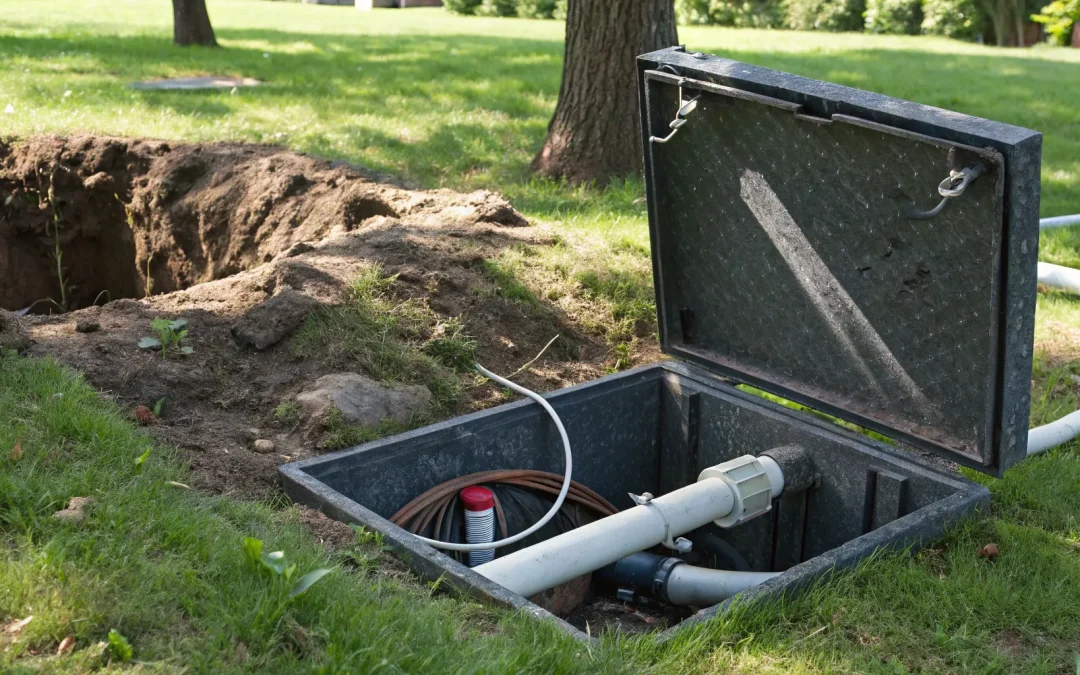
A septic distribution box, often called a D-box, is a small but mighty component of a conventional septic system. Think of it as the traffic director for your system’s wastewater. After the solid waste settles in the septic tank, the remaining liquid effluent flows into the D-box. From there, its main job is to split that wastewater flow evenly among the pipes leading into the drain field. This simple function is absolutely critical for the health and longevity of the entire system.
Without a D-box, wastewater would likely flow to the path of least resistance, overwhelming one section of the drain field while leaving others completely dry. This imbalance can lead to premature system failure, costly repairs, and environmental issues. The distribution box ensures every part of the drain field does its fair share of the work, allowing for proper absorption and filtration of the effluent back into the soil. It’s a key piece of the puzzle for any efficient and long-lasting septic installation.
Its Role in Your Septic System
The primary role of the D-box is to guarantee uniform wastewater distribution. By sending an equal amount of effluent to each drain field trench, it ensures the entire absorption area is used effectively. This even-handed approach prevents any single trench from becoming waterlogged, which is a common cause of septic system failure. When one area is oversaturated, the soil loses its ability to properly treat the wastewater, leading to backups and potential ground contamination. A well-designed system, managed by a D-box, protects the investment you’ve made in the drain field and keeps everything running smoothly for years to come.
How It Prevents System Failure
A properly functioning D-box is your first line of defense against major septic problems. If the box becomes tilted, clogged with sludge, or damaged by roots, it can’t do its job. This can cause wastewater to back up into your home or flood the drain field, creating a soggy, smelly mess on the property. These are not just inconveniences; they are signs of a failing system that can be expensive to fix. That’s why it’s so important that the D-box is inspected regularly by a professional. Catching a small issue, like a clog or a crack, early on can prevent a complete system breakdown down the road.
Common Problems with Distribution Boxes
Even a perfectly designed septic system can run into trouble, and the distribution box is often a key point of failure. Because it’s buried underground, problems can go unnoticed until they become serious. Understanding the common issues can help you spot them early, preventing costly repairs and system-wide failures. From uneven flow to physical damage, here are the main problems that can affect a septic distribution box and what you need to watch out for.
Uneven Wastewater Distribution
The distribution box’s primary job is to ensure wastewater from the septic tank is spread evenly across all the pipes in the drain field. For this to happen, the box must be perfectly level. If it tilts or settles over time, gravity will send the majority of the effluent to the lowest outlet pipe. This overloads one section of the drain field, leading to saturation and premature failure, while other sections remain dry and underutilized. A proper septic system design and installation is the best defense against this common and destructive problem, ensuring the box is set on a stable, level base from day one.
Clogs and Blockages from Sludge
If the septic tank isn’t pumped regularly, sludge and solid waste can flow into the distribution box. This material can clog the outlet pipes, stopping the flow of wastewater to the drain field. A clog in the D-box can cause the entire system to malfunction, resulting in a flooded drain field or, even worse, sewage backing up into the home or commercial building. Regular maintenance is crucial. Following a consistent septic system maintenance schedule is the most effective way to prevent the kind of sludge buildup that leads to these disruptive and unsanitary blockages.
Tree Roots and Structural Damage
The distribution box is constantly under threat from its environment. Aggressive tree roots can find their way into the box, causing cracks and blockages as they seek out water. The box can also be damaged by the weight of heavy machinery or vehicles driving over it, leading to cracks or a complete collapse. Over time, older concrete boxes can simply degrade and fall apart. Any structural damage compromises the box’s ability to distribute wastewater correctly and can lead to leaks that contaminate the surrounding soil. If you suspect any damage, it’s best to get in touch with a professional for an inspection.
Warning Signs You Can’t Ignore
The symptoms of a failing distribution box often look like other septic system issues, which can make diagnosis tricky. However, there are a few key signs to watch for. Pay attention to unusually green or soggy patches of grass in the yard, particularly in the area between the septic tank and the drain field. Slow drains, gurgling pipes, and sewage odors are also classic red flags. If you notice any of these warning signs, it’s a clear signal that something is wrong with the system. Don’t wait for the problem to get worse; it’s time to have a professional investigate and start an order for an inspection.
How to Properly Maintain Your Distribution Box
Your septic system’s distribution box is a critical component, but it’s often overlooked until there’s a problem. The good news is that maintaining it is straightforward. A little proactive care can prevent messy backups, costly repairs, and premature system failure. By following a few simple guidelines, you can ensure the D-box does its job correctly, keeping the entire septic system running smoothly for years to come. Proper maintenance protects your investment and gives you peace of mind.
Create an Inspection and Cleaning Schedule
Unlike your septic tank, the distribution box doesn’t need to be pumped out. However, it does need regular professional inspections to make sure everything is in working order. We recommend having it checked every time you get your septic tank pumped, or at least every two to three years. During an inspection, a professional will remove the lid, check that the box is still level, and ensure all the outlet pipes are clear of sludge or debris. This quick checkup is the easiest way to catch small issues before they turn into major headaches.
How to Prevent Costly Damage
Most distribution box problems are completely preventable. The biggest culprits are sludge buildup, invasive tree roots, and physical damage. Sludge can escape a full septic tank and clog the D-box outlets, so stick to a regular tank pumping schedule. When it comes to landscaping, avoid planting trees or large shrubs near your drain field, as their roots can grow into the box and pipes, causing cracks and blockages. Finally, never drive or park heavy vehicles or machinery over the area. The weight can easily crush the box and the connected pipes, leading to an expensive and complicated repair.
Professional Maintenance vs. DIY
While you can and should keep an eye on your drain field for warning signs like soggy spots or unusually green grass, any hands-on maintenance should be left to the pros. If you suspect a clog or damage, it’s best to contact a qualified septic professional. Trying to fix a blocked outlet or a cracked box yourself can often make the problem worse. A professional has the right tools and expertise to diagnose the issue correctly and perform the repair safely, ensuring your system complies with local codes and functions as intended.
Best Practices for a Longer System Life
Keeping your distribution box in top shape comes down to a few key habits. First, schedule those regular inspections with a trusted septic company. Second, be mindful of your landscaping and keep deep-rooted plants far away from the drain field. Third, make sure no one drives or parks heavy equipment over any part of your septic system. Following these simple rules helps ensure even wastewater distribution, prevents clogs, and extends the life of your entire septic system, saving you from the stress and expense of unexpected failures.
What Are the Different Types of Distribution Boxes?
When planning a septic system, the distribution box is a critical component that ensures wastewater is evenly sent to the drain field. Choosing the right type from the start helps guarantee the system’s long-term health. The main differences are material, capacity, and brand, so let’s cover what you need to know.
Plastic vs. Concrete: Which Is Better?
Traditionally, distribution boxes were made of concrete. They’re heavy and can crack as the ground settles. Today, most installers prefer plastic boxes made from high-density polyethylene (HDPE). These are lighter, easier to install, and more resistant to corrosion and cracks, giving them a longer lifespan. For most Florida projects, the ease and durability of polyethylene plastic boxes make them the clear winner.
Choosing the Right Capacity and Outlets
Sizing your distribution box correctly is essential for the drain field to work properly. The goal is to match the number of outlets to the number of drain lines in your design. A box that’s too small won’t distribute effluent evenly, leading to system failure. A good rule of thumb is to select a box with one more outlet than drain lines. For example, a 4-hole box serves up to three lines, while a 6-hole box serves up to five.
Finding a Durable Box for Florida’s Climate
Florida’s environment—with its sandy soil, high water table, and heavy rainfall—demands durable materials. A distribution box must withstand constant moisture and soil shifting without failing. This is another area where HDPE plastic boxes shine. They won’t corrode or degrade from damp conditions, unlike concrete, which can break down over time. Choosing a robust box designed for these challenges is key to building a septic system that will last for decades.
Reliable Brands and Manufacturers
Not all distribution boxes are created equal. When sourcing materials, it’s best to stick with reputable brands known for quality. Manufacturers like Polylok, Zabel, and ADS are trusted names in the industry and offer products to fit different system designs. Using quality components gives you confidence in the system’s performance. At Land Perc, we incorporate high-quality parts into our designs to ensure every system is efficient and built to last.
How to Choose the Right Distribution Box
Selecting the right distribution box is more than just picking a part off the shelf; it’s a critical decision that impacts the entire septic system’s efficiency and lifespan. This component is the unsung hero of the drain field, responsible for evenly dividing wastewater to prevent any single area from becoming oversaturated. Think of it as the traffic controller for your septic system, directing effluent down multiple paths to ensure no single part of the drain field gets overwhelmed. When a D-box fails or is improperly chosen, the consequences can be severe, leading to soggy yards, system backups, and ultimately, a complete drain field failure. For builders and installers in Florida, where sandy soils and high water tables present unique challenges, making a smart, informed decision ensures the system you install is built to last. A well-chosen distribution box protects the drain field, extends the life of the entire septic system, and prevents costly future repairs. It’s about setting the project up for success and giving the homeowner a reliable system they won’t have to worry about. This guide will walk you through the key factors to consider, from size and material to installation and cost, so you can choose the perfect distribution box for your next project.
Determine the Right Size and Capacity
The first step is matching the box’s capacity to the system’s design. It’s a simple but crucial calculation based on the number of drain field lines. For instance, a standard 4-hole box can accommodate up to three drain lines, while a 6-hole box works for up to five lines, and an 8-hole box can handle up to seven. Choosing a box that’s too small will overload the drain field, leading to uneven distribution and premature failure. A properly sized D-box ensures that effluent is dispersed evenly, which is fundamental for the long-term health of the entire system. This is a key detail in any custom septic system design.
Select a Material Based on Your Soil
Distribution boxes are typically made from either concrete or plastic, and your site’s soil conditions play a big role in which material is best. Concrete boxes are heavy and incredibly durable, often lasting for decades, making them a solid choice in stable soil. However, plastic boxes are lightweight, more affordable, and easier to handle during installation. In Florida, where we often deal with sandy or shifting soils, the flexibility and corrosion resistance of high-quality plastic can be a major advantage. A thorough soil and percolation test is the only way to know for sure which material will provide the best long-term performance for your specific location.
Check Installation and Compatibility Requirements
A distribution box won’t perform correctly if it isn’t installed properly. These units are usually buried at a shallow depth, typically one to three feet underground, positioned downhill from the septic tank. It’s absolutely essential that the box is set perfectly level to ensure each drain field line receives an equal amount of effluent. You also need to confirm that the box’s outlets are compatible with the type and size of piping used for the drain field. Any mismatch can cause leaks or blockages. Proper installation is a non-negotiable step, which is why it’s so important to start a new order with a precise plan from the beginning.
Understanding the Costs
Budget is always a factor, and it’s helpful to understand the costs involved. The price for the distribution box itself is relatively low, with plastic models ranging from $70 to $200 and concrete versions costing between $90 and $400. However, the total cost for a replacement can average around $1,000, sometimes ranging from $500 to $1,500. This price includes not just the part but also labor for excavation, installation, and backfilling. Because replacement is a significant expense, investing in the right material and professional installation from the beginning is the most cost-effective strategy. It helps you avoid premature failures and the associated labor costs down the road.
When Should You Replace Your Distribution Box?
A septic distribution box is built to last, with a typical lifespan ranging from 15 to 40 years. But even the most durable components can’t withstand Florida’s demanding environment forever. Over time, issues like cracking from age, damage from invasive tree roots, or structural stress after heavy flooding can compromise its integrity. While you won’t need to think about it often, knowing when to replace your D-box is key to preventing a much larger, more expensive septic system failure. The decision isn’t always clear-cut, but a few key indicators can tell you it’s time to call in a professional for an assessment.
Recognizing the warning signs early helps you plan for a replacement before it becomes an emergency. For builders and installers, addressing a faulty D-box during construction or renovation is far more efficient than dealing with a system failure after the project is complete. A proactive approach protects the property owner’s investment and your professional reputation. At Land Perc, we help you make an informed decision by providing accurate diagnostics and clear, actionable septic system design solutions.
Repair or Replace: How to Decide
So, how do you know if you’re looking at a simple repair or a full replacement? The first red flags often appear as persistent plumbing problems. If you’re experiencing slow drains or backups even after the septic tank has been pumped, the issue might lie with the distribution box. Another major warning sign is flooding or unusually soggy patches in your drain field, which indicates that wastewater isn’t being distributed evenly.
Sometimes, a simple repair can solve the problem. If the box has just shifted slightly or has a minor, accessible crack, a professional might be able to correct it. However, if the box has major structural damage, multiple large cracks, or is crumbling from age, a replacement is almost always the right call. A temporary patch on a failing box is just a short-term fix for a long-term problem.
Why You Need a Qualified Septic Professional
Replacing a distribution box might seem straightforward, but it’s a precise job that’s best left to experienced professionals. The process involves careful excavation around sensitive septic lines and requires the new box to be installed perfectly level. If the D-box is even slightly tilted, it will fail to distribute effluent evenly, leading to oversaturation in some parts of the drain field and eventual system failure. This is not a project where you can afford to guess.
A qualified septic professional has the equipment and expertise to ensure the installation is done right the first time, preventing costly future plumbing issues. At Land Perc, our team has managed over 40,000 projects, giving us the hands-on experience needed to handle these critical installations efficiently. When you’re ready to get started, you can start a new order with us to ensure your project is in capable hands.
Meeting Florida’s Permitting and Compliance Rules
In Florida, any significant work on a septic system, including replacing a distribution box, is subject to local health department regulations and permitting requirements. Failing to secure the proper permits can lead to fines, project delays, and legal headaches. The rules can vary by county, making it essential to work with a team that has a deep understanding of the state’s specific codes.
Navigating the permitting process can be time-consuming, but a seasoned professional can manage it for you. They will ensure that the replacement meets all current standards for materials, placement, and installation. This not only keeps your project compliant but also provides peace of mind that the system is safe and effective. Our team at Land Perc is well-versed in Florida’s regulations and can handle the permitting and compliance aspects of your project seamlessly.
Related Articles
- Septic Systems Explained: The Ultimate 2025 Guide
- Septic Tank Details: A Complete Homeowner’s Guide
- How Does a Septic Tank Work? The Ultimate Guide
- Essential Septic Tank Advice for Homeowners
Frequently Asked Questions
Why is a level installation so important for a distribution box? Think of the distribution box as a simple, gravity-fed splitter. If it isn’t perfectly level, gravity will naturally pull all the wastewater to the lowest outlet pipe. This starves the other drain field lines while completely overwhelming one, causing that section to become waterlogged and fail. A level installation is the only way to guarantee every part of the drain field gets its fair share of effluent, which is essential for the system’s long-term health.
Is a plastic distribution box really durable enough for Florida’s conditions? Absolutely. While concrete was the standard for years, modern high-density polyethylene (HDPE) plastic boxes are now preferred for a reason. They are incredibly tough and won’t crack from shifting sandy soil or corrode in our constantly damp environment. Unlike concrete, which can degrade over time when exposed to moisture and soil gases, a high-quality plastic box provides a reliable, long-lasting seal that stands up to Florida’s unique challenges.
My client’s D-box is tilted. Can I just level it myself? While it might seem like a simple fix, leveling a tilted D-box is a job best left to a professional. The real issue isn’t just the tilt itself, but what caused it and what damage it may have created. A professional will not only re-level the box on a stable base but also inspect the inlet and outlet pipe connections, which can easily crack or separate when the box shifts. A quick DIY fix could miss underlying problems and lead to a bigger failure down the road.
How often do distribution boxes actually fail? A properly installed distribution box can easily last 20 years or more. Failures are rarely spontaneous; they’re almost always caused by preventable issues. The most common culprits are clogs from an unmaintained septic tank, cracks from invasive tree roots, or physical damage from heavy equipment driving over it. If the system is designed well and maintained correctly, the D-box is one of the most reliable parts of the entire setup.
Can I just skip the distribution box and run a single pipe to the drain field? No, you should never skip the distribution box in a conventional septic system. Sending all the wastewater through a single pipe would guarantee the premature failure of your drain field. The D-box is a non-negotiable component that protects the property owner’s investment by ensuring the entire absorption area is used evenly. It’s a small part that plays a huge role in making the whole system work correctly for decades.